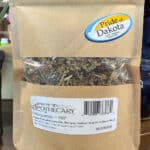
Eye Health
From: $16.00
The blend was built to help maintain and improve eye health including glaucoma, cataracts and pressure balancing.
Description
Blender’s Notes Eye Health:
Steep Me Self-Help combinations are a wonderful way to get health benefits outside of the standard tea leaf. This combination of herbs helps build, maintain, and improve eye health. Eye health is the state of your eyes being free of disease, pain, or vision problems. Your eyes are an important part of your health. Eye health is important for your overall well-being, as your eyesight helps you make sense of the world around you. Eye health can be maintained or improved by eating a well-balanced diet that contains nutrients such as omega-3 fatty acids, lutein, zinc, and vitamins C and E. Eye health can also be affected by age-related degenerative diseases, such as macular degeneration and cataracts, which can be prevented or delayed by protecting your eyes against harmful light. Eye health goes together with general health, but a few nutrients are especially important for your eyes. Your risk of developing an eye disease increases as you get older. The most common eye diseases include Cataracts: A condition in which your eyes become clouded. Age-related cataracts are a leading cause of vision impairment and blindness around the world. Diabetic retinopathy: Retinopathy is associated with diabetes and is a major cause of visual impairment and blindness. It develops when high blood sugar levels damage the blood vessels in your retina. Dry eye disease: A condition marked by insufficient tear fluid, which causes your eyes to dry up and leads to discomfort and potential visual problems. Glaucoma: A group of diseases characterized by progressive degeneration of your optic nerve, which transfers visual information from your eyes to your brain. Glaucoma may cause poor eyesight or blindness. Macular degeneration: The macula is the central part of your retina. Age-related macular degeneration (AMD) is one of the main causes of blindness in developed countries. 8 Nutrients That Will Optimize Your Eye Health.
I Can’t Believe It is Not Blur!
This blend is based on a fruity, slightly tangy character of Chinese Sencha Green Tea. Chinese green tea’s key compound, EGCG, delivers antioxidant and anti-inflammatory effects that protect retinal cells from conditions such as glaucoma and macular degeneration, while also supporting heart health, metabolism, cognitive function, and cellular aging throughout the body. Green Tea may lower LDL (“bad”) cholesterol and reduce stroke risk, support blood sugar control by reducing insulin resistance, and benefit gut barrier function, helping reduce circulating toxins and fasting glucose levels. On top of that, its anti-inflammatory properties have been linked to a potentially reduced risk of certain cancers, including breast, colon, and liver cancer.
Sip, Sip, Hooray: What Your Calendula Blend Is Quietly Doing
Among the ingredients quietly working in your cup, calendula (Calendula officinalis) petals are pulling serious weight — releasing flavonoids, triterpenoids, and carotenoids into your brew that work from the inside out to deliver anti-inflammatory, antioxidant, and antimicrobial benefits throughout the body. Every warm sip delivers a dose of gut-soothing goodness, with calendula specifically calming inflammation associated with gastritis, peptic ulcers, and IBS-like symptoms, while helping strengthen the gut lining. For your eyes, those same anti-inflammatory compounds circulating through your bloodstream may help ease ocular inflammation and oxidative stress over time. Your immune system gets a quiet boost too, as calendula’s antimicrobial and antioxidant action has been shown to help the body fend off bacterial and fungal threats. It also has antidiabetic benefits — regular intake may help regulate blood sugar by improving insulin sensitivity — and neuroprotective and anticancer properties. Its natural lymphatic-supportive effects may help reduce puffiness and fluid retention.
Eye Spy Something Amazing in My Cup
Next, we added chrysanthemum (Chrysanthemum morifolium), which is earning its three-thousand-year reputation — releasing flavonoids, beta-carotene, vitamin A, and phenolic acids that work from the inside out to deliver antioxidant, anti-inflammatory, and antimicrobial benefits throughout the body. For your eyes specifically, chrysanthemum is a standout ingredient in traditional Chinese medicine for its ability to relieve eye strain, reduce redness and irritation, soothe dry eyes, and help protect against retinal damage and age-related macular degeneration. Every sip also delivers cardiovascular support — its potassium content helps relax blood vessel walls, lowering blood pressure, while its compounds may help reduce LDL (“bad”) cholesterol and cut stroke risk. Your immune system benefits too, with vitamins A and C stimulating white blood cell production and essential oils with antimicrobial properties helping fend off bacterial and fungal threats. It also has a liver-protective effect, helping liver cells process toxins more. Blood sugar regulation, bone health support via quercetin and apigenin, cognitive function through its folate and B6 content, and a natural calming effect that may ease anxiety and improve sleep round out an impressive ingredient.
Berry Good News for Your Eyes and Beyond
We also included Bilberry. Bilberry (Vaccinium myrtillus), the European cousin of the blueberry, is an absolute overachiever, releasing anthocyanins, flavonoids, and phenolic acids that work from the inside out, with some of the most impressive antioxidant and anti-inflammatory credentials in the berry world. For your eyes specifically, bilberry is the standout star — its anthocyanins penetrate retinal tissue directly, helping protect against macular degeneration, glaucoma, cataracts, and retinal oxidative damage. Plus, it shows meaningful improvement in dry eye syndrome with regular use of bilberry. Bilberry anthocyanins can lower LDL (“bad”) cholesterol, improve blood vessel elasticity, and reduce key markers of cardiovascular risk. Blood sugar regulation gets a boost too, showing improved insulin sensitivity and lower HbA1c levels — particularly relevant for metabolic syndrome and type 2 diabetes risk. Your brain benefits because it can improve mood and cognitive function through its neuroprotective and MAO-inhibiting effects. Gut health, circulation, liver protection, muscle recovery, and even antimicrobial defense round out the list of genuinely impressive ingredients.
Pupils Gone Wild: What Jaborandi Is Actually Doing in Your Cup
Next, we added in Jaborandi. Jaborandi (Pilocarpus microphyllus) is a potent Brazilian shrub whose primary compound, pilocarpine, is an alkaloid so powerful it has been FDA-approved. In your cup, it is the ingredient doing the most medically significant heavy lifting, and the one most deserving of your attention. For eye health, pilocarpine is genuinely remarkable — it directly stimulates the ciliary muscle to increase aqueous humor outflow, thereby lowering intraocular pressure in glaucoma. It activates the lacrimal glands to increase tear production, making it clinically valuable for dry eye conditions. It also powerfully stimulates salivary glands, making it an established treatment for dry mouth caused by Sjögren’s syndrome and radiation therapy. At the same time, its parasympathetic action extends to the gut, where it may stimulate gastric secretions and support digestive motility. The significant flavonoid content in jaborandi leaves confers notable antioxidant and neuroprotective properties beyond those of pilocarpine itself.
See You on the Other Side: What Eyebright Is Doing in Your Cup
This blend also included Eyebright. Eyebright (Euphrasia officinalis) carries one of the most fitting names in herbal medicine — and delivers its benefits primarily through tannins, iridoid glycosides (especially aucubin), and flavonoids like luteolin and quercetin. As a tea ingredient, it is best understood as a gentle, surface-level soother rather than a deep systemic powerhouse. For eye health specifically, its anti-inflammatory and antioxidant compounds work on the front-facing ocular tissues — helping to calm redness, irritation, watery discharge, and mild conjunctivitis-related inflammation, and showing notable neuroprotective potential, with promising early signals against Alzheimer’s-related pathways. Sipped as a tea, it also acts as a natural antihistamine — luteolin and quercetin both inhibit histamine-releasing mast cells, which may ease seasonal allergy symptoms like itchy, watery eyes and a runny nose. Its traditional astringent action on mucous membranes extends further into the respiratory tract, where it has long been used to ease sinus congestion, catarrh, coughs, and cold symptoms. Aucubin, one of its standout compounds, adds cardiovascular interest too; it may help reduce oxidative scarring of heart tissue after injury. At the same time, preliminary research also points toward blood sugar-lowering effects, liver-protective properties, and antimicrobial action against bacteria including Staphylococcus aureus.
The Root of Clear Vision: What Goldenseal Is Doing in Your Cup
Among the ingredients in your blend, goldenseal (Hydrastis canadensis) is one of the most pharmacologically active — a North American perennial with a 300-year history in Native American medicine, whose power comes entirely from three potent alkaloids: berberine, hydrastine, and canadine. For eye health, goldenseal has a long-standing traditional role as an eyewash for irritation, redness, and conjunctivitis, with berberine’s broad-spectrum antimicrobial activity helping fend off bacterial eye infections. Goldenseal’s digestive credentials are strong too, with berberine shown to fight H. pylori (linked to stomach ulcers), combat bacterial diarrhea, and support gut lining integrity. Blood sugar regulation gets a quiet assist from berberine, which activates AMPK — the same metabolic enzyme targeted by metformin — to improve insulin sensitivity and lower LDL cholesterol. Immune support, anti-inflammatory action via NF-κB inhibition, neuroprotective effects, and early antitumor activity round out an impressive profile. That said, the human clinical evidence is still catching up to goldenseal’s reputation,
Dreaming With Your Eyes Wide Open: What Passionflower Is Doing in Your Cup
Passionflower (Passiflora incarnata) was also added because it quietly whispers “relax” to your entire nervous system — a climbing vine with centuries of use whose power flows through flavonoids, chrysin, vitexin, and GABA-modulating alkaloids that act broadly across the brain and body. Its most clinically supported benefit is anxiety relief, as passionflower is as effective as the prescription drug oxazepam for generalized anxiety disorder, but with significantly less impairment to job performance and no sedation or dependency, making every cup a gentle, non-habit-forming wind-down. Sleep quality is the next standout, with clinical studies confirming meaningful improvements in total sleep time — particularly welcome if a busy mind is the culprit keeping you awake. Passionflower’s benefits extend far beyond GABA modulation, including actions on dopamine, serotonin, and norepinephrine pathways; NMDA receptor inhibition for neuroprotection; HPA axis regulation to reduce stress hormones like cortisol; and gut microbiota modulation. Specifically for eye health, its antioxidant and anti-inflammatory activity — via activation of the Nrf2 pathway and reduction of cytokines — contributes to reduced oxidative stress in retinal and ocular tissues over time.
Eye See You, Ancient One: What Triphala Is Doing in Your Cup
We also added in Triphala because it is arguably the most ancient and complex — a 2,000-year-old Ayurvedic formulation whose very name means “three fruits,” combining amla (Indian gooseberry), haritaki, and bibhitaki into a synergistic blend of over 150 bioactive compounds including gallic acid, ellagic acid, chebulinic acid, vitamin C, tannins, and flavonoids. For eye health, Triphala has been revered in Ayurvedic tradition as a Chakshushya — literally “that which is beneficial for the eyes” with its dense antioxidant load working to protect retinal cells from oxidative damage, support healthy lens clarity, and reduce the risk of cataracts and macular degeneration. Every sip delivers a digestive overhaul: haritaki gently stimulates peristalsis to improve bowel regularity, bibhitaki absorbs excess water in the colon to help with both loose stools and constipation, and amla soothes inflamed intestinal mucosa — together acting as a natural prebiotic to nourish beneficial Bifidobacteria and Lactobacillus strains. Triphala has broad pharmacological credentials: antioxidant, anti-inflammatory, anticancer, antidiabetic, antimicrobial, and immunomodulatory properties, as well as liver-protective and cardioprotective effects. Blood sugar and cholesterol regulation are both meaningfully supported, with amla’s insulin-sensitizing action and bibhitaki’s oleic and linoleic acids helping to rebalance lipid profiles. Skin, hair, and oral health all benefit too — amla’s exceptional vitamin C content drives collagen production. At the same time, Triphala’s natural tannins have long been used in Ayurvedic oral care to support gum tissue.
Fennel: I Only Have Eyes for You
Among the ingredients in your blend, fennel (Foeniculum vulgare) is the Mediterranean overachiever with a gentle licorice warmth — releasing anethole, quercetin, rosmarinic acid, vitamin C, potassium, and lutein and zeaxanthin into every cup. For eye health specifically, fennel is a genuinely impressive ingredient: its lutein and zeaxanthin content accumulates directly in retinal tissue to filter harmful blue light and shield against age-related macular degeneration. At the same time, its rich antioxidant flavonoids protect pigment cells from oxidative-stress-induced death — a mechanism directly relevant to long-term retinal health. Every sip also works hard on your digestive system; fennel tea acts as both a spasmolytic in the proximal stomach and a prokinetic in the antrum, supporting its traditional use for bloating, IBS, and functional dyspepsia. Its cardiovascular credentials are well-supported too.
A Living Fossil for Living Eyes: What Ginkgo Biloba Is Doing in Your Cup
Next, we added Ginkgo Biloba. Ginkgo biloba (Ginkgo biloba) is the oldest tree species on earth — a 270-million-year-old “living fossil” whose medicinal power comes from two standout compound families: flavonoids and terpenoids (ginkgolides and bilobalides) that together deliver antioxidant, anti-inflammatory, and circulation-boosting effects throughout the body. For eye health, its most meaningful contribution is vascular, as its terpenoids dilate blood vessels and increase circulating nitric oxide levels, thereby improving blood flow to the eyes. That same vasodilatory action extends to the brain, where improved cerebral blood flow supports cognitive function, memory, and neuroprotection meaningful benefits for neurodegenerative conditions when ginkgo was used. Its cardiovascular credentials are equally well supported, with terpenoids relaxing blood vessel walls to reduce peripheral arterial resistance, improve circulation, and lower blood pressure. For anxiety and mood, ginkgo’s antioxidant compounds have shown reductions in anxiety markers when paired with antidepressants. Anti-inflammatory action across the respiratory tract — lowering airway inflammatory markers in asthma and COPD — rounds out an impressive systemic profile.
Pressure Drop, Focus Up: What Coleus Is Doing in Your Cup
Finally, we added Coleus (Coleus forskohlii, also known as Plectranthus barbatus), the quiet cellular engineer — an Ayurvedic root from the mint family whose extraordinary power flows entirely through one standout compound: forskolin. This labdane diterpenoid directly activates adenylate cyclase, raising cyclic AMP (cAMP) levels inside cells. Think of cAMP as the body’s internal volume knob — and forskolin as the one ingredient in your cup that turns it up. For eye health, coleus has genuine clinical credentials: its forskolin has been studied in ophthalmology as a direct reducer of intraocular pressure — the key risk factor in glaucoma confirming meaningful pressure-lowering effects, and intraocular pressure reduction, one of the stronger evidence ratings in natural eye health. That same cAMP-raising mechanism relaxes airway smooth muscle, as with conventional asthma medications — making it a plausible natural bronchodilator for those managing breathing conditions. Body composition gets attention too, with early human trials showing modest reductions in body fat, improvements in waist circumference, and increases in testosterone and bone mineral density.
We have had one of our customers who has used it over the last 12 months to help improve the pressure on her eyes. With consistent use, she has seen improvements in how her eyes feel and in her vision. This is a maintenance tea and should be drunk daily.
NOTE: “This/these claim(s) has/have not been evaluated by the Food and Drug Administration. This product is not intended to diagnose, treat, cure or prevent any disease.”
Features Eye Health:
- Leaves can be infused all day! (They will not get bitter)
- Lots of individual flavor based on the ingredients.
- All Wildcrafted Herbs
- All Organic where Wildcrafted is not available.
- Light Yellow Colour Cup of Tea
- Full of natural antioxidants and Very Hydrating
- Sample Size ~ 1 oz will make 8-10 ~ 16 oz teas.
- Sealed Size ~ 4 oz will make 32-40 ~ 16oz teas
- Iced Tea ~ Always Double the amount of Tea for the same size cup!
- Per Serving ~ 1 tsp per 6 oz of H2O
- Recommend 3 tsp Per Day – resteep leaves 2-3 times.
- Caffeine: Medium
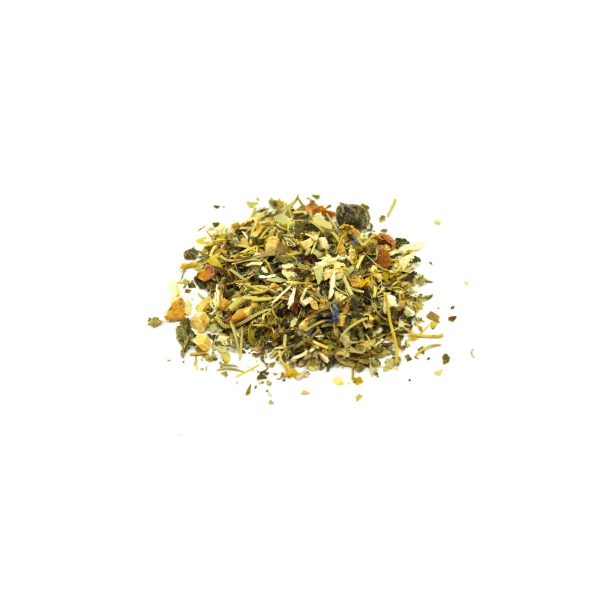
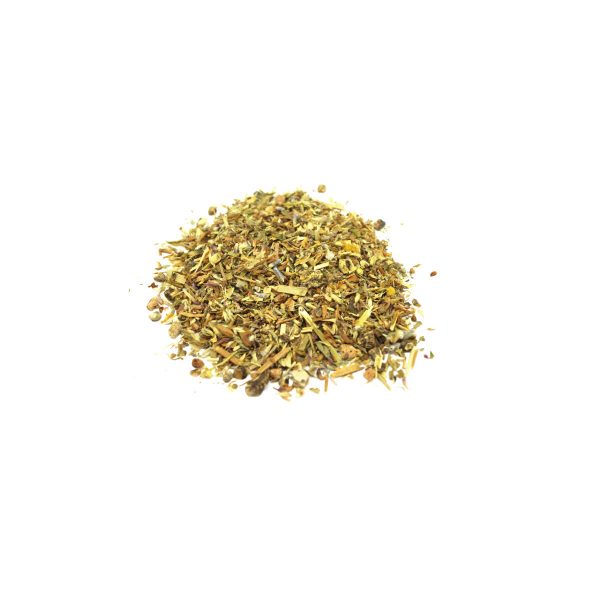
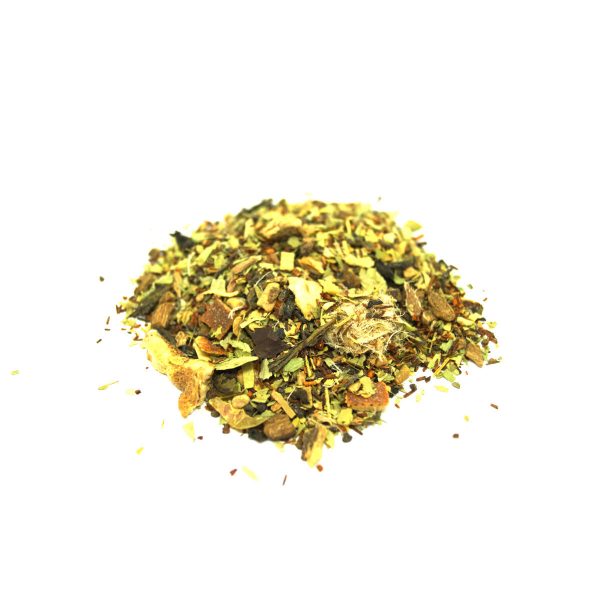
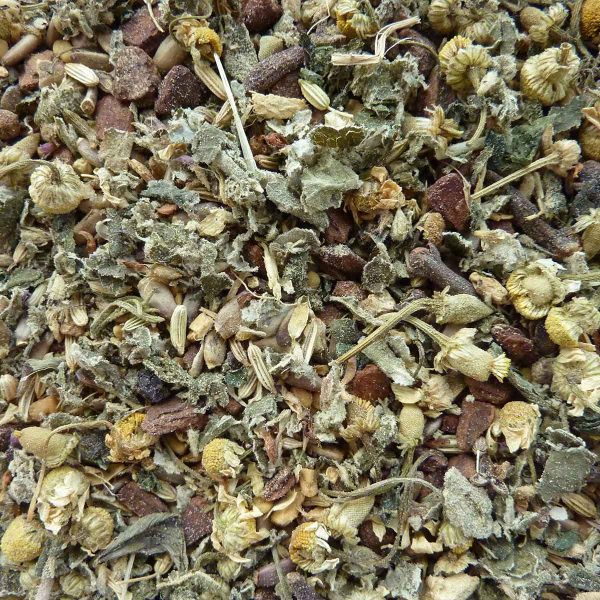
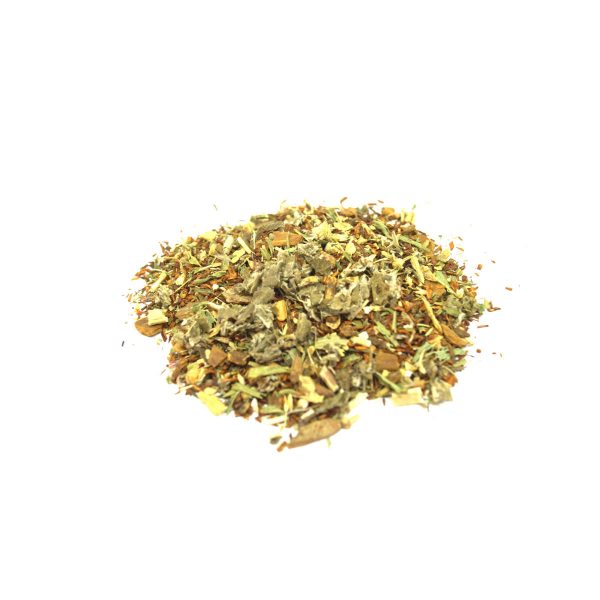
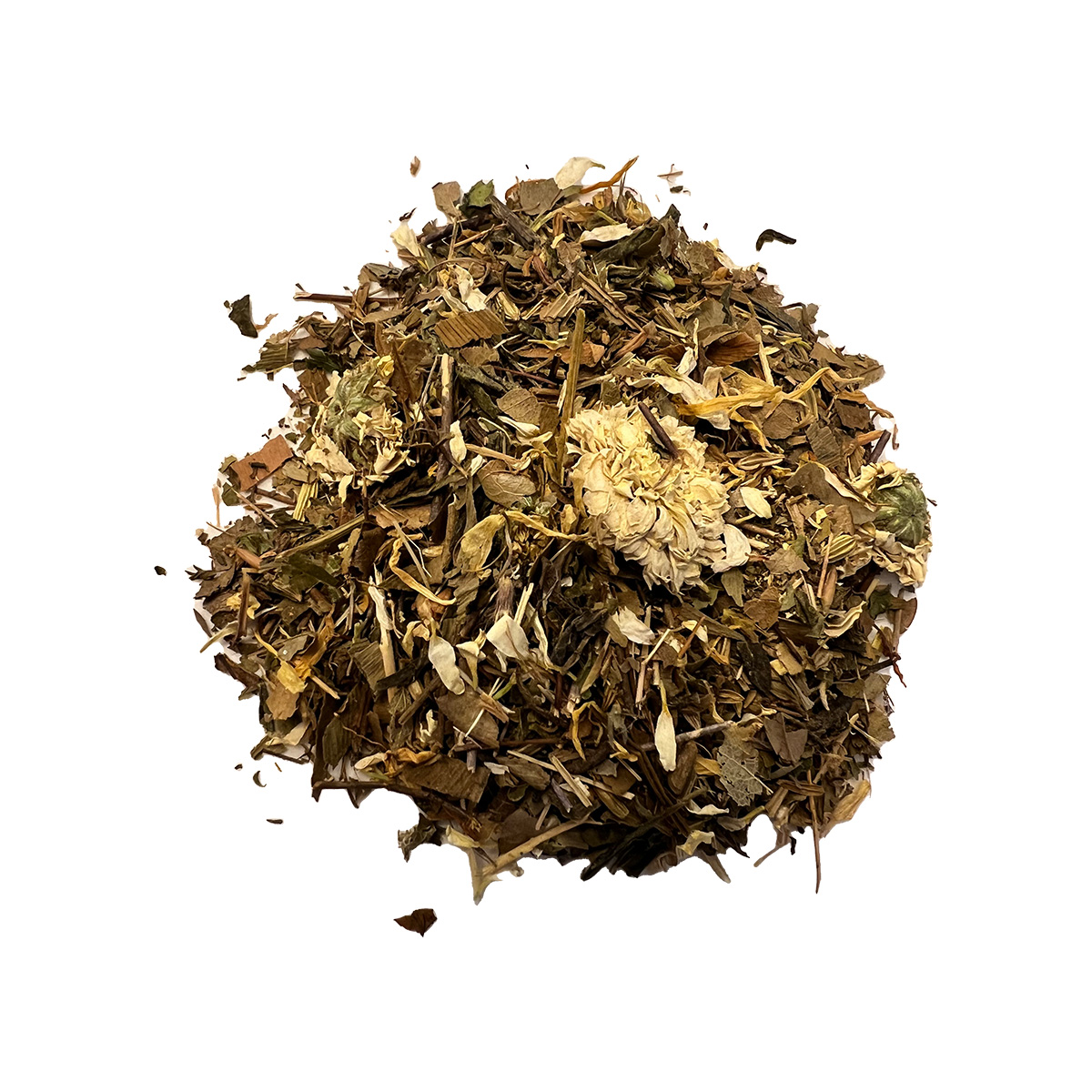
Ingredients: Steep Me Proprietary Organic and Wildcrafted blend of Chinese Sencha Green Tea with a structured leaf and mild taste paired with herbs of Calendula Flowers, Chrysanthemum Flowers, Bilberry Leaf, Jaborandi, Eye Bright Leaf, Goldenseal, Passionflower, Triphala, Fennel Seed, Gingko Biloba Leaf, and Coleus
Alternatively, try our Autoimmune Phyto~Nutrition Capsule OR Pitta Phyto~Nutrition Tea OR Wellness Phyto~Nutrition Tea OR Environmental Immunity Phyto~Nutrition Tea
Not Safe for Pregnancy
Not Safe for Breastfeeding
NOTE: These claim(s) have/have not been evaluated by the Food and Drug Administration. The products offered by Steep Me Tea Apothecary -Franchisees – Wholesalers – Influencers or SteepMe.com are not intended to treat, cure, or prevent any illness or disease. If you have or suspect that you have a medical problem, consult with your physician for diagnosis or treatment. All gender specific blends are based on Gender Assigned at Birth. Use herbs as per instructions and always watch for any allergic reactions. You should always carefully read all product packaging and labels. Always consult your physician or health care provider before using any herbal products, especially if you have a medical problem. Steep Me Tea Apothecary, SteepMe.com, and/or its proprietors assume no liability for any injury, illness, or adverse effects caused by the misuse or use of the information or products presented.
NOTE: When using Teas, Capsules, Tinctures, and Micro-Nutrition to help with your ailment ~ please remember this is a marathon ~ we recommend an investment of at least 6 months to see positive change. Any gender-specific blends are based on the gender assigned at birth.
“Processed in a facility that also processes food containing milk, egg, fish, peanut, shellfish, soy, tree nuts, wheat, and sesame. May contain traces of milk, egg, fish, peanut, shellfish, soy, tree nuts, wheat, and sesame.”
Additional information
| Weight | 4 oz |
|---|---|
| Size | 1 oz sample bag, 1/2 # Bulk Bag, 4oz Sealed Bag |
Benefits