

Liver Balance ~ Fatty Liver ~~ GRAS Certified Ingredients
From: $16.00
This blend can help the body shed the extra enzymes that the liver has produced due to damage or disease from fatty liver disease, hepatitis, drug and alcohol, metabolic syndrome, or cirrhosis.
Description
Blender’s Notes Liver Balance ~ Fatty Liver ~~ GRAS Certified Ingredients:
Steep Me Self-Help Tea combinations are a fantastic way to get health benefits outside of the standard tea leaf. Liver Balance ~ Fatty Liver blend will help the body shed the extra enzymes that the liver has produced due to damage or disease from fatty liver disease, hepatitis, drug and alcohol, metabolic syndrome, cirrhosis, and heavy metal concerns. Elevated liver enzymes are often a sign of inflamed or damaged cells in the liver. Inflamed or injured liver cells leak higher levels of certain chemicals into the bloodstream. These chemicals include liver enzymes that may appear higher than usual on blood tests. The most common elevated liver enzymes are Alanine transaminase (ALT). Aspartate transaminase (AST). Alkaline phosphatase (ALP). Gamma-glutamyl transpeptidase (GGT). Elevated liver enzymes might be found during routine blood testing. In most cases, liver enzymes are only mildly raised for a brief time. This usually does not signal a chronic, serious liver problem. Aspartate aminotransferase (AST) and alanine aminotransferase (ALT) are two of the liver enzymes healthcare providers look at when trying to figure out if you have a problem with your liver. Blood tests that find high ALT levels or high AST levels may be a sign of a liver problem. When compared to each other, ALT and AST levels can help identify toxins in the liver, liver disease, or liver damage. This article will discuss ALT and AST liver enzymes and what they do inside your body. It will also cover what happens during testing and what test results can reveal. Aminotransferases are chemicals the liver uses to make glycogen. Glycogen is the stored form of glucose, the sugar that the body uses for energy. Any glucose not immediately used will be changed into glycogen. It is then stored in cells for future use. Most will be stored in the liver. Aspartate aminotransferase (AST) is found in a variety of tissues, including the liver, brain, pancreas, heart, kidneys, lungs, and skeletal muscles. If any of these tissues are damaged, AST will be released into the bloodstream. While high AST levels mean there may be tissue injury, it does not always relate to the liver. By contrast, alanine aminotransferase (ALT) is found in the liver. High ALT levels are always worrying, but they do not necessarily point to something serious. If your ALT level is high, it may indicate minor or severe liver injury. ALT and AST Liver Enzymes: What Lab Values Mean (verywellhealth.com)
In fatty liver disease (hepatic steatosis), fat builds up in your liver and can eventually cause problems with liver function. Over time, the disease can progress to life-threatening conditions such as cirrhosis and liver cancer. Fatty liver disease comes in two forms. They are metabolic dysfunction-associated steatotic liver disease (MASLD, formerly known as nonalcoholic fatty liver disease or NAFLD) and alcoholic fatty liver disease (AFLD), also called alcoholic steatohepatitis. These two types have different causes but equivalent results. As liver damage increases, you may develop complications of cirrhosis. These occur when your liver can no longer remove toxins from your blood. Complications are:
Hepatic Encephalopathy: Inflammation of the brain that leads to confusion, trouble thinking, and memory loss.
Ascites: Bloating due to fluid build-up in the abdomen
Liver cancer: Masses or tumors in the liver or biliary tract
Portal hypertension: Increased pressure in the portal vein, which carries blood from the digestive system to the liver.
Internal bleeding: Portal hypertension leads to ruptured veins.
Hepatopulmonary syndrome: A rare condition of improper liver function that leads to dilated (widened) blood vessels in the lungs, which impair lung function.
Hepatorenal syndrome: Poor blood flow to the kidneys, which impairs their function.
Some of these complications—such as cancer and hepatorenal syndrome—can be life-threatening.
Fatty Liver: Signs, Symptoms, and Complications (verywellhealth.com)
In this blend we started with Milk Thistle. Milk thistle, known scientifically as Silybum marianum, is an herbal remedy that has been widely studied for its potential benefits in liver health. It contains silymarin, a compound believed to have antioxidant and anti-inflammatory properties. Reduction of Elevated Liver Enzymes: Milk Thistle can help lower elevated liver enzymes such as ALT (alanine aminotransferase) and AST (aspartate aminotransferase), which are often markers of liver damage. The compound Silymarin is recognized for its ability to protect the liver cells from toxins and aid in their regeneration, thus maintaining normal enzyme levels. Milk thistle may help reduce inflammation associated with non-alcoholic fatty liver disease (NAFLD), potentially slowing disease progression. By enhancing lipid metabolism, milk thistle may aid in reducing liver fat accumulation, contributing positively to liver function. The antioxidants in milk thistle can combat oxidative stress, which is a prominent factor in liver diseases, including fatty liver. We also added Yellow Dock. Yellow dock, scientifically known as Rumex crispus, is an herb traditionally used in herbal medicine. Yellow Dock promises to be a useful herb for promoting liver health, particularly in maintaining enzyme balance and addressing fatty liver disease. Yellow dock is believed to help support the liver’s natural detoxification processes, which may contribute to maintaining balanced liver enzymes. The herb can stimulate bile production, which plays a crucial role in digestion and liver function. Improved bile flow can aid in maintaining healthy enzyme levels. It helps by enhancing digestion and promoting nutrient absorption, yellow dock may help in reducing fat buildup in the liver, thereby addressing fatty liver disease. Yellow dock may exhibit anti-inflammatory effects, which can be beneficial in managing the inflammation associated with fatty liver and it may assist in blood sugar regulation, which is important because insulin resistance can be a contributing factor in fatty liver disease Self-Heal, known scientifically as Prunella vulgaris, was included because it is an herb widely recognized for its therapeutic benefits. Self-Heal offers a range of potential benefits for liver health, particularly in supporting enzyme balance and managing fatty liver disease. Self-heal has hepatoprotective properties, meaning it may help protect liver cells from damage, thereby supporting the balance of liver enzymes like ALT and AST and the herb contains antioxidants that can combat oxidative stress in the liver, helping to maintain optimal liver function and enzyme levels and help reduce inflammation associated with fatty liver disease. By promoting better digestion and nutrient absorption, self-heal may indirectly assist in preventing fat accumulation in the liver and can aid in metabolic regulation, which is crucial for individuals with fatty liver disease, as it often relates to issues with metabolism. Next is Black Cumin. Black cumin, scientifically known as Nigella sativa, is an herb renowned for its wide array of health benefits, particularly regarding liver health. Its seeds contain important compounds, including thymoquinone, that may support liver enzyme balance. Black cumin has been shown to exhibit hepatoprotective effects, which help protect liver cells from damage and may aid in maintaining normal liver enzyme levels. Black cumin can help lower elevated liver enzymes like ALT and AST, indicating improvements in liver function. The anti-inflammatory properties of black cumin contribute to reducing inflammation in the liver, which is crucial for managing conditions like non-alcoholic fatty liver disease (NAFLD). Black cumin is rich in antioxidants that help combat oxidative stress in the liver, thus supporting overall liver health and function. Black cumin may assist in regulating metabolism, which is vital for preventing fat accumulation in the liver. Consumption of black cumin can lead to improved lipid profiles, reducing the triglyceride levels in the blood, which is often linked to fatty liver disease.
We also added Dandelion Root Dandelion root, scientifically known as Taraxacum officinale, a traditional herbal remedy recognized for its numerous health benefits, especially concerning liver health. Dandelion root is believed to enhance the liver’s natural detoxification processes, which can help maintain healthy liver enzyme levels, including ALT and AST. This herb stimulates bile flow, which is essential for digestion and liver function, potentially aiding in the balance of liver enzymes. Dandelion root exhibits anti-inflammatory effects, which can be beneficial in reducing liver inflammation associated with fatty liver disease. By promoting healthy digestion and fat metabolism, dandelion root may help in reducing fat accumulation in the liver, impacting conditions like non-alcoholic fatty liver disease (NAFLD) positively. Rich in antioxidants, dandelion root can help combat oxidative stress in the liver, supporting overall health and function and aids in regulating blood sugar levels, which is crucial in managing metabolic conditions associated with fatty liver. Next is Turmeric Root. Turmeric root, known scientifically as Curcuma longa, is a widely used spice renowned for its medicinal properties. Its active compound, curcumin, has significant implications for liver health, particularly in maintaining liver enzyme balance and addressing fatty liver conditions. Curcumin is celebrated for its powerful anti-inflammatory effects, which can help reduce inflammation in the liver. This may lead to healthier liver enzyme levels, including ALT and AST. Turmeric supports the liver’s natural detoxification processes, contributing to balanced liver function and enzyme levels. The antioxidant properties of curcumin help to combat oxidative stress, which is often a contributing factor to elevated liver enzymes. Turmeric may help in reducing fat accumulation in the liver, thereby addressing conditions like non-alcoholic fatty liver disease (NAFLD). Curcumin can influence lipid metabolism, leading to improved lipid profiles and reduced triglycerides, which are beneficial for fatty liver management and may improve insulin sensitivity, which is vital for individuals dealing with fatty liver disease, as insulin resistance is commonly associated with this condition. Turmeric may promote bile production, enhance digestion and help to prevent fat accumulation in the liver. Peppercorns are well known for their culinary uses and health benefits. They contain piperine, an active compound that contributes to various health advantages, including potential benefits for liver health. Piperine may enhance the absorption of nutrients and other beneficial compounds in the gut, potentially improving overall liver health and function. This can indirectly support normal liver enzyme levels. Peppercorns may aid the liver in its natural detoxification processes, helping to maintain balanced enzyme levels. The anti-inflammatory properties of piperine can help reduce inflammation in the liver, which is often a contributing factor to fatty liver disease. Black pepper contains antioxidants that help combat oxidative stress in the liver, supporting overall liver function and health and can enhance fat metabolism and may help in weight management. Since obesity is a significant risk factor for fatty liver disease, this can indirectly benefit liver health. Plus, black pepper may help regulate metabolism and improve insulin sensitivity, crucial for those dealing with fatty liver, as insulin resistance is often associated with this condition. Cinnamon was also included. Cinnamon contains compounds like cinnamaldehyde, which have strong anti-inflammatory properties. This can help reduce liver inflammation, potentially leading to more balanced liver enzyme levels, such as ALT and AST. Cinnamon may support liver detoxification processes, helping to maintain healthy enzyme levels as the liver performs its crucial functions. Cinnamon is known to enhance insulin sensitivity, which is crucial for individuals with fatty liver disease, as insulin resistance is often a contributing factor and can help regulate lipid profiles by lowering triglyceride and cholesterol levels, contributing to a reduction in fat accumulation in the liver. Cinnamon is rich in antioxidants that can help combat oxidative stress in the liver, thus promoting better liver health and the spice may help lower blood sugar levels, which can be beneficial for metabolic control and may assist in managing conditions related to fatty liver disease.
Ginger Root was added because Ginger, scientifically known as Zingiber officinale, is a well-known spice and medicinal herb. It is recognized not only for its culinary uses but also for its therapeutic properties, particularly concerning liver health. Ginger contains gingerol, a compound with significant anti-inflammatory effects. This can help reduce inflammation in the liver, supporting better liver enzyme levels, such as ALT and AST and Ginger has hepatoprotective properties, meaning it can protect liver cells from damage and support their proper functioning, thereby promoting balanced enzyme levels. Ginger can help reduce fat accumulation in the liver, which is crucial for managing conditions like non-alcoholic fatty liver disease (NAFLD). Ginger can enhance lipid metabolism, potentially improve overall lipid profiles and reducing triglyceride levels, both of which are beneficial for liver health. Ginger exhibits strong antioxidant properties that can help combat oxidative stress in the liver, promoting better overall health and function and the spice may help improve insulin sensitivity, which is vital for preventing metabolic issues related to fatty liver disease, as insulin resistance is a common factor. We also include Chamomile. Chamomile, primarily known for its calming effects as herbal tea, contains several compounds that may contribute positively to liver health. Chamomile is rich in antioxidants and anti-inflammatory compounds, such as apigenin, which can help reduce inflammation in the liver and potentially lower elevated liver enzyme levels, like ALT and AST and Chamomile may have protective effects on liver cells, thereby supporting overall liver function and enzyme balance. The antioxidants present in chamomile can combat oxidative stress, which is a key factor in the development of fatty liver disease. Reducing oxidative stress may benefit liver health and function. Chamomile may help in regulating lipid metabolism, which is crucial for managing fat accumulation in the liver associated with non-alcoholic fatty liver disease (NAFLD). Chamomile is traditionally used to aid digestion, which can contribute positively to liver function by promoting the efficient digestion of fats and nutrients. Burdock root, scientifically known as Arctium lappa, is a traditional herbal remedy known for its various health benefits, particularly concerning liver health. It is rich in antioxidants and has anti-inflammatory properties, which can be advantageous for maintaining liver enzyme balance. Burdock root is often used to promote liver function and detoxification processes. By supporting the liver’s natural cleansing ability, it can contribute to healthier liver enzyme levels, including ALT and AST. The root is rich in antioxidants and anti-inflammatory compounds, which can help reduce inflammation in the liver, potentially leading to balanced enzyme levels. Burdock root may help reduce fat accumulation in the liver, making it potentially beneficial for those suffering from non-alcoholic fatty liver disease (NAFLD) and it enhances digestive health and can aid in the absorption of nutrients and support better fat metabolism, which is essential for preventing fatty liver. Burdock root may improve insulin sensitivity and help regulate blood sugar levels, both of which are important in managing fatty liver disease. We also added Licorice Root. Licorice root, known scientifically as Glycyrrhiza glabra, is an herb with a long history of use in traditional medicine. Licorice root is noted for its hepatoprotective effects, meaning it may help protect the liver from damage and support overall liver function, potentially leading to balanced enzyme levels such as ALT and AST and the root contains compounds like glycyrrhizin, which possess strong anti-inflammatory properties. Reducing liver inflammation can be beneficial for maintaining healthy liver enzyme levels. Licorice root may help in reducing fat accumulation in the liver, making it potentially beneficial for those with conditions like non-alcoholic fatty liver disease (NAFLD). Licorice root is rich in antioxidants that can counter oxidative stress in the liver, promoting better overall health and aiding in enzyme function. Licorice root may play a role in regulating lipid metabolism, contributing to improved lipid profiles and reduced triglyceride levels, both important for managing fatty live and it can affect cortisol levels, which might play a role in insulin sensitivity. Enhanced insulin sensitivity is crucial for preventing fatty liver disease, as insulin resistance is often a contributing factor.
California poppy, scientifically known as Eschscholzia californica, is an herb commonly recognized for its calming effects and use in traditional medicine. California poppy is primarily valued for its sedative and anxiolytic properties, which can help reduce stress. Lower stress levels may indirectly promote better liver health since chronic stress can impact liver function and enzyme levels and California poppy can support the liver in its detoxification processes, which can help maintain balanced liver enzymes. California poppy contains some anti-inflammatory compounds that may help reduce inflammation, which is beneficial for liver health, especially in managing conditions like non-alcoholic fatty liver disease (NAFLD) and it may support normal lipid metabolism, but more research is needed to confirm its efficacy in reducing fat accumulation in the liver. By promoting relaxation and better sleep, California poppy may contribute to overall wellness, indirectly supporting liver health—stress and sleep disturbances are linked to metabolic issues, including fatty liver. Peppermint has also been added. Peppermint, scientifically known as Mentha piperita, is a popular herb known for its refreshing flavor and various health benefits. Peppermint is well known for its ability to aid digestion. By promoting better digestion, it can help support the liver in processing and metabolizing nutrients, which may contribute to balanced liver enzyme levels. Peppermint contains compounds like menthol, which have anti-inflammatory effects. Reducing inflammation in the liver may promote healthier enzyme levels. Peppermint has been traditionally used to stimulate bile production, which is crucial for fat digestion. Improved bile flow may assist in reducing fat accumulation in the liver, thereby positively affecting fatty liver conditions. The herb contains antioxidants that can help combat oxidative stress in the liver, promoting overall liver health and potentially supporting normal liver function. Peppermint can enhance digestion and potentially aid in the metabolism of fats. Peppermint may help prevent fat buildup in the liver, making it a supportive component for managing fatty liver. Gynostemma was added because it is known for its adaptogenic and antioxidant properties, which may provide various health benefits, including potential support for liver health. It has been studied for its hepatoprotective effects, meaning it may help protect liver cells from damage, contributing to balanced liver enzyme levels like ALT and AST and as a potent antioxidant, Gynostemma can help mitigate oxidative stress in the liver, which may support overall liver function and enzymatic balance. Gynostemma may help decrease fat accumulation in the liver, which is crucial for managing non-alcoholic fatty liver disease (NAFLD). Gynostemma has been shown to help regulate lipid metabolism, potentially improving lipid profiles and reducing triglyceride levels, which can positively impact fatty liver conditions. The herb contains anti-inflammatory compounds that may help reduce liver inflammation, which is beneficial for overall liver health and can contribute to the management of fatty liver disease and may improve insulin sensitivity, which is important for individuals with fatty liver, as insulin resistance is often a contributing factor in this condition.
Red clover, scientifically known as Trifolium pratense, is a flowering plant commonly used in traditional herbal medicine. It is rich in isoflavones and other compounds that may offer various health benefits, including potential support for liver health, particularly regarding enzyme balance and fatty liver conditions. Red clover is believed to support the liver’s detoxification processes, potentially helping to maintain balanced liver enzyme levels, such as ALT and AST. The isoflavones in red clover have anti-inflammatory effects that may help reduce inflammation in the liver, contributing to healthier enzyme levels. Red clover is known for its phytoestrogen content, which can assist in balancing hormones. Hormonal balance may play a role in metabolic health, indirectly supporting liver function and potentially addressing fatty liver conditions. Red clover may aid in regulating lipid metabolism, which can contribute to lower triglyceride levels and reduced fat accumulation in the liver and contains antioxidants that can help combat oxidative stress in the liver, promoting better overall liver health and function. Traditionally, red clover has been used to promote bile production, which plays a key role in fat digestion and may help prevent fat buildup in the liver. Finally, we included Helichrysum. Helichrysum, commonly known as everlasting or immortelle, is a flowering plant belonging to the Asteraceae family. It is often used in traditional herbal medicine and is valued for its potential health benefits, including effects on liver health Helichrysum may exhibit hepatoprotective effects, helping to protect liver cells from damage. This protection can contribute to maintaining healthy liver enzyme levels, such as ALT and AST. The plant is rich in anti-inflammatory compounds that can help reduce inflammation in the liver, which is crucial for supporting liver function and enzyme balance. Helichrysum has antioxidant properties that can help combat oxidative stress, a prominent factor in fatty liver disease. By reducing oxidative stress, it may support better liver health and can positively influence lipid metabolism, potentially helping to lower triglyceride levels and reduce fat accumulation in the liver. Helichrysum may support the liver’s detoxification processes, assisting in the elimination of toxins and contributing to overall liver health. The antimicrobial effects of helichrysum may also benefit liver health indirectly by supporting overall immune function and reducing the risk of infections that could stress the liver.
~~This product has been officially lab tested and meets the requirements for GRAS (General Regarded as Safe) Testing ~ a designation directed by the FDA for food and supplements. Public Health Microbiology Foundation evaluated it, and they officially consider this product a “non-TCS commodity” and is safe as a human food product & human dietary supplement~~
NOTE: “This/these claim(s) has/have not been evaluated by the Food and Drug Administration. This product is not intended to diagnose, treat, cure or prevent any disease.”
Features High Liver Balance ~ Fatty Liver:
- Leaves can be infused all day! (They will not get bitter)
- Lots of individual flavor based on the ingredients.
- All Wildcrafted Herbs
- All Organic where Wildcrafted is not available.
- Light Yellow Colour Cup of Tea
- Full of natural antioxidants and Low in Tannins and Very Hydrating
- Sample Size ~ 1 oz will make 8-10 ~ 16 oz teas.
- Sealed Bag ~ 4 oz will make 32-40 ~ 16 oz teas.
- Iced Tea ~ Always Double the amount of Tea for the same size cup!
- Per Serving ~ 1 tsp per 6 oz of H2O
- Recommend 3 tsp Per Day – resteep leaves 2-3 times.
- Caffeine: None
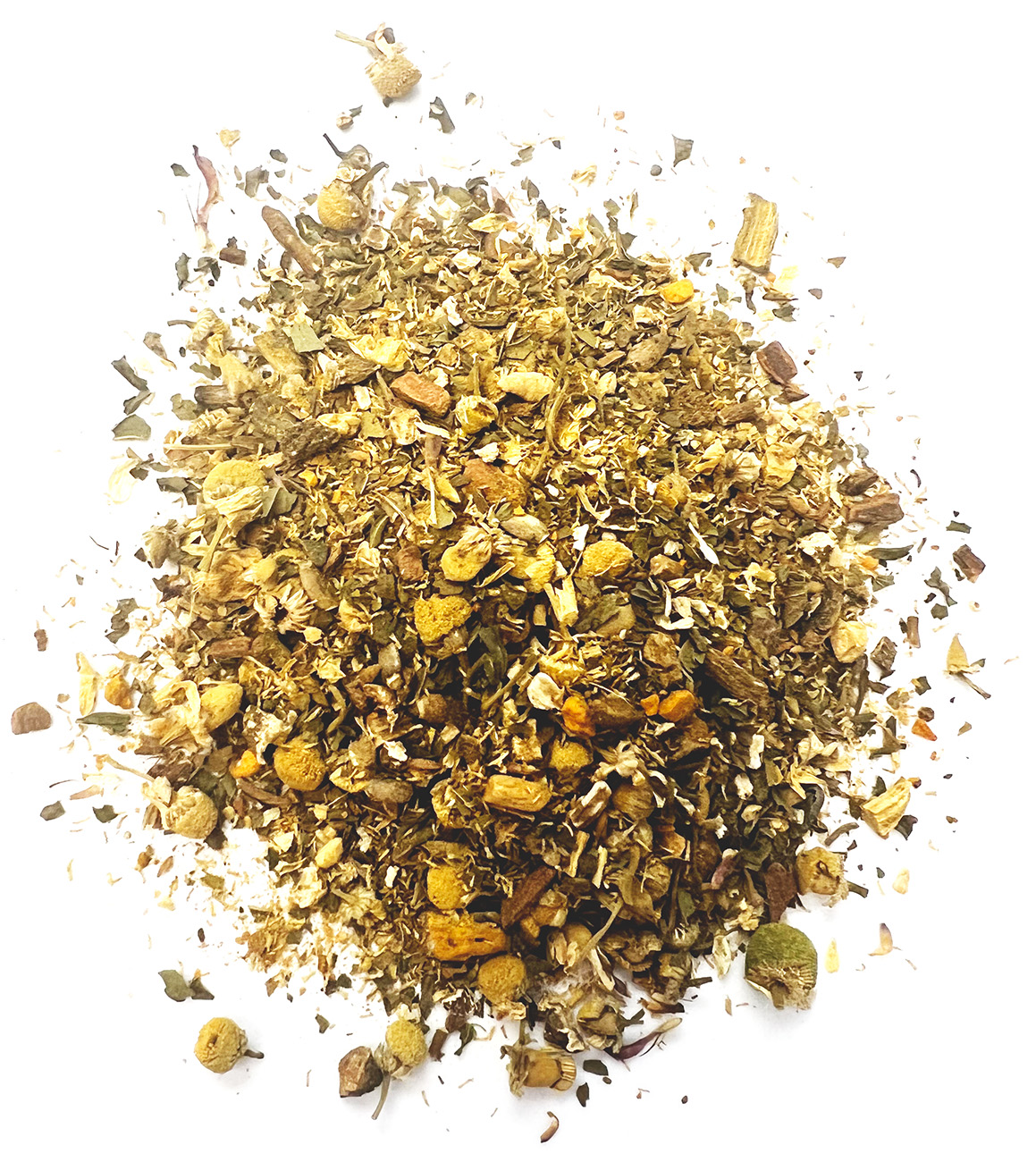
Ingredients: Steep Me Proprietary Organic and Wildcrafted Blend of Milk Thistle Seed, Yellow Dock Root, Self-Heal, Black Cumin Seed, Dandelion Root, Turmeric Root, Peppercorns, Cinnamon Chips, Ginger Root, Egyptian Chamomile Flowers, Burdock, Root, Licorice Root, California Poppy, Peppermint Leaf, Gynostemma Leaf, Red Clover, and Helichrysum Flowers
Alternatively, try our Dirty Detox Phyto ~ Nutrition Tea OR Tea-Tox Phyto~Nutrition Tea OR Liver Support Micro~Nutrition Capsules
Not Safe for Pregnancy
Not Safe for Breastfeeding
NOTE: These claim(s) have/have not been evaluated by the Food and Drug Administration. The products offered by Steep Me Tea Apothecary -Franchisees – Wholesalers – Influencers or SteepMe.com are not intended to treat, cure, or prevent any illness or disease. If you have or suspect that you have a medical problem, consult with your physician for diagnosis or treatment. All gender specific blends are based on Gender Assigned at Birth. Use herbs as per instructions and always watch for any allergic reactions. You should always carefully read all product packaging and labels. Always consult your physician or health care provider before using any herbal products, especially if you have a medical problem. Steep Me Tea Apothecary and SteepMe.com and/or its proprietors assume no liability for any injury, illness or adverse effects caused by the misuse and/or use of the information or products presented
NOTE: When using Teas, Capsules, Tinctures and Micro-Nutrition to help with your ailment ~ please remember this is a marathon ~ we recommend an investment of time of at least 6 months to see positive change. Any gender specific blends are based on gender assigned at birth.
“Processed in a facility that also processes food containing milk, egg, fish, peanut, shellfish, soy, tree nuts, wheat, and sesame. May contain traces of milk, egg, fish, peanut, shellfish, soy, tree nuts, wheat, and sesame.”
Additional information
| Weight | 4 oz |
|---|---|
| Size | 1 oz sample bag, 1/2 # Bulk Bag, 4oz Sealed Bag |
Benefits