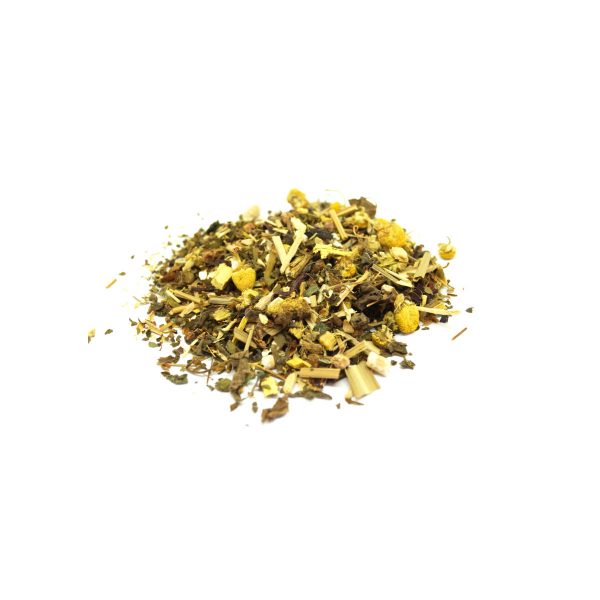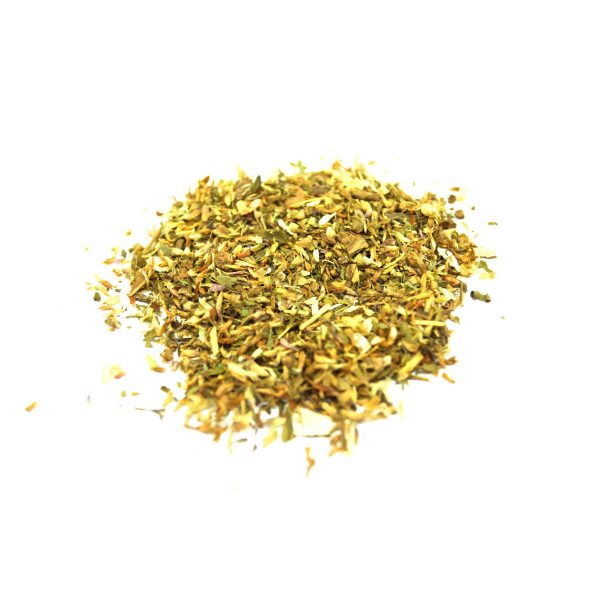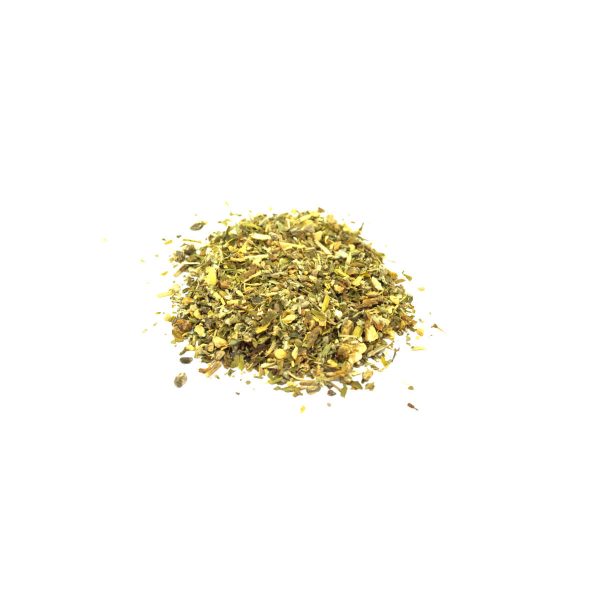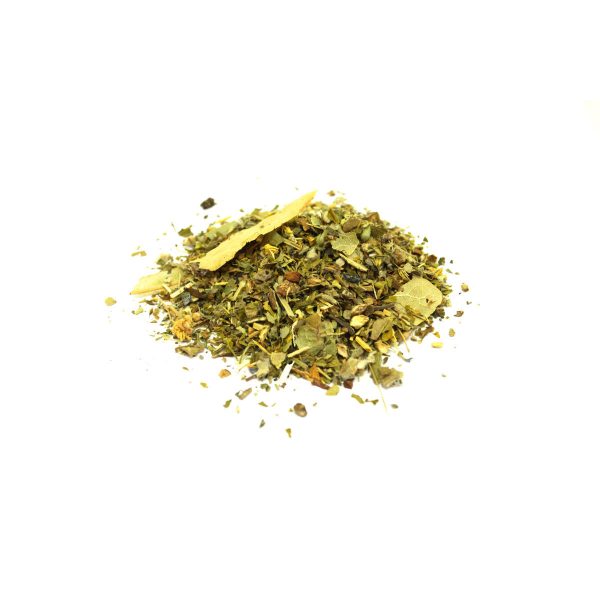
Happy Belly
From: $14.00
This is a great tea if you need to get going….this stimulant based blend will get the “poo” to “GO”!
Description
Blender’s Notes Happy Belly:
Steep Me Self-Help Tea combinations are a wonderful way to get health benefits beyond standard tea leaves. This combination of herbs helps soften and moisten stools to help remove the fecal plug, as well as the bloating and nausea that can come with Constipation. Constipation is uncomfortable and can make life uncomfortable. When you are feeling weighed down and bloated, you want fast relief. You may be able to use natural remedies to relieve your constipation. Having fewer than three bowel movements a week is, technically, the definition of constipation. But how often you poop varies widely from person to person. Some people poop several times a day, while others poop only one to two times a week. Whatever your bowel movement pattern is, it is unique and normal for you — if you do not stray too far from your pattern. Regardless of your bowel pattern, one fact is certain: The longer you go before you poop, the more difficult it becomes for poop to pass. Other key features that usually define constipation include dry, hard stools. Your bowel movements are painful, and your stools are difficult to pass. You have a feeling that you have not fully emptied your bowels. Constipation is one of the most frequent gastrointestinal complaints in the United States. Constipation happens because your colon (large intestine) absorbs too much water from your poop. This dries out your poop, making it hard and difficult to pass. To back up a bit, as food normally moves through your digestive tract, your intestines gradually absorb the nutrients. The partially digested food (waste) that passes from your small intestine to your large intestine becomes your poop. Your colon absorbs water from this waste, which makes it more solid. If you have constipation, food may move too slowly through your digestive tract. This gives your colon more time — too much time — to absorb water from waste. The stool becomes dry, hard, and difficult to push out. Common lifestyle causes of constipation include not eating enough fiber, not drinking enough water (dehydration), and not getting enough exercise. Changes in your routine, such as traveling, eating, or going to bed at different times. Consuming copious amounts of milk or cheese. Stress. Resisting the urge to have a bowel movement. Constipation: Symptoms & Causes (clevelandclinic.org)
Certain teas may aid constipation in several ways. For example, drinking more fluids may help a person stay hydrated. Since dehydration is a common cause of constipation, this may help soften stools and make them easier to pass. Some herbs in herbal teas also have properties that may stimulate the digestive system.
Get Moving, Gut! Puerh Tea’s Surprisingly Good Plumbing Credentials ~ Puerh tea is a rich, earthy fermented tea from China’s Yunnan Province, and your belly may appreciate it more than you think. Because it goes through a unique fermentation process, Puerh naturally develops compounds that can gently support digestion and help encourage things to move along. It is also full of helpful plant compounds, including theaflavins and gallic acid, that support good gut bacteria such as Bifidobacterium, Lactobacillus, and Akkermansia. Those friendly microbes create short-chain fatty acids, like butyrate, which help nourish the gut lining, support the gut barrier, and calm irritation. In simple terms, Puerh helps create a happier, more comfortable environment for your digestive system.
Your Gut Called — It Wants More Rooibos! ~ Rooibos is a naturally caffeine-free red tea from South Africa’s Cederberg mountains, and it can be a gentle friend to the digestive system. Unlike regular tea, rooibos does not contain tannins, which may be helpful since tannins can sometimes make constipation worse for certain people. Instead, rooibos brings antioxidants to the table, including aspalathin, which may help calm irritation in the gut and relax the intestinal muscles when they feel tight or sluggish. It also counts toward your daily fluids, and hydration is one of the simplest ways to help keep stools soft and easier to pass. Over time, rooibos may also support a healthier gut microbiome, making it a soothing, steady choice for a happier belly.
Keep Calm and Ginger On — Your Gut Will Thank You! ~ Ginger root is one of those classic digestive helpers that has earned its good reputation. Its natural compounds, especially gingerols and shogaols, help encourage peristalsis — the gentle wave-like movement that helps push food through the intestines. In other words, ginger can give a sluggish gut a little friendly nudge. It may also support digestive enzyme production, help the stomach empty more smoothly, and bring calming anti-inflammatory benefits to an irritated gut. That can mean less bloating, less gas, and a more settled feeling overall. Just remember that ginger can have a mild diuretic effect, so it is still important to drink plenty of water along with it.
The Root Awakens — Chicory’s Got Your Gut Covered! ~ Chicory root is best known for its natural prebiotic fiber called inulin, and that is where a lot of its digestive magic comes from. Inulin does not get broken down in the small intestine. Instead, it travels to the large intestine, where it feeds beneficial gut bacteria like Bifidobacterium and Lactobacillus. As those good bacteria enjoy their meal, they create short-chain fatty acids that help nourish the gut lining, support a calmer digestive tract, and encourage more regular bowel movements. Chicory inulin has also been studied for helping soften stools and increase stool frequency, which makes chicory a helpful addition when things feel slow. As a bonus, chicory may also support steadier blood sugar after meals.
Don’t Go Overboard — Senna Leaf Is the Gut’s Tough Love! ~ Senna leaf is a little different from the gentler herbs in this blend. Think of it as the “tough love” option for your gut — helpful when things are really backed up, but best used with care. Senna is an FDA-approved stimulant laxative, and its natural compounds, called sennosides, make their way to the colon, where gut bacteria help activate them. Once there, they encourage the intestinal muscles to contract and draw extra water into the bowel, which helps soften stool and move things along. For many people, senna works within 6–12 hours, which is why it is often taken before bedtime. It is also recognized by the American Gastroenterological Association as an evidence-based option for chronic constipation and is commonly used before colonoscopies. Because senna is more powerful than the other digestive herbs here, it is best used sparingly and not as an everyday helper unless directed by a healthcare professional.
Flower Power — Elderflower’s Surprisingly Gentle Gut Game! ~ Elderflower, which comes from the Sambucus nigra tree, is the softer, more fragrant cousin of elderberry — and it brings a gentle kind of support your belly may appreciate. It has mild natural laxative and diuretic properties, which can help encourage intestinal movement and support regularity without feeling harsh. Elderflower also contains natural fiber that helps support healthy bowel bulk and overall gut function. On top of that, it is rich in antioxidants, including flavonoids and phenolic compounds, which may help calm irritation and create a more comfortable digestive environment. Elderflower tea has been used throughout Europe for centuries, and Germany’s herbal medicine authority recognizes it as a gentle medicinal herb, making it a lovely, soothing addition when your gut could use a little extra care.
Tiny Seed, Big Attitude — Black Cumin’s Got Serious Gut Credentials! ~ Black cumin (Nigella sativa) is a tiny seed with a big reputation, and it is not the same thing as the regular cumin you might keep in your spice rack. This little seed has been used for generations in traditional wellness practices across the Middle East, South Asia, and North Africa, especially when the body needs a little extra support. Its standout compound, thymoquinone, works as a strong antioxidant and anti-inflammatory helper, which may support a calmer gut, protect the intestinal lining, and create a friendlier place for good gut bacteria to grow. Black cumin may also encourage digestive enzyme production, helping your body break down food more smoothly. Its natural fiber can add gentle bulk to stools too, which is helpful when you are trying to keep things moving regularly. Because of its calming effect on gut irritation, black cumin may be especially supportive for people dealing with occasional digestive discomfort, bloating, or inflammation-related gut issues.
Peel the Deal — Orange Peel Is Quietly Crushing It for Your Gut! ~ Orange peel is one of those humble ingredients that usually gets tossed aside, but your gut may be missing out when it does. The peel is packed with helpful plant compounds, and one of its biggest digestive helpers is pectin, a soluble fiber that forms a gentle gel-like texture in the gut. That fiber helps add bulk to stools, supports a healthy pace for digestion, and feeds friendly gut bacteria like Lactobacillus and Bifidobacterium. As those good bacteria break down the fiber, they create short-chain fatty acids that help nourish the gut lining and support a calmer, healthier digestive environment. Orange peel also contains d-limonene, an essential oil known for its fresh citrus scent and its antimicrobial and anti-inflammatory properties, along with flavonoids like hesperidin and naringenin that help support the gut’s protective lining. For such a small peel, it brings a lot to the table — including more fiber than many people realize — making it a bright, zesty little helper for keeping things moving.
Burr-illiant! Burdock Root Is Quietly Doing the Most for Your Gut! ~ Burdock root (Arctium lappa) has been used for centuries across Europe, Asia, and North America, and your gut gets a lot to love from this earthy root. Like chicory, burdock is rich in inulin, a prebiotic fiber that feeds helpful gut bacteria such as Bifidobacterium and Lactobacillus. When those good bacteria are well fed, they create short-chain fatty acids that help nourish the gut lining, support a balanced microbiome, and encourage more regular bowel movements. Burdock does not stop there, though. It may also support bile production in the liver, which helps your body break down fats more comfortably and may ease occasional indigestion. Its antioxidants, including quercetin, phenolic acids, and luteolin, add another layer of support by helping calm irritation in the digestive tract. With its fiber, prebiotics, and calming plant compounds, burdock root is a steady, down-to-earth helper when your belly could use a little extra support.
Sweeter Than You Think — Strawberry Leaf Is a Quietly Impressive Gut Helper! ~ Strawberry leaf (Fragaria vesca) may not get as much attention as the bright red berry, but this humble little leaf has plenty to offer your belly. It naturally contains tannins, which have a gentle toning effect on the gut lining and may help calm irritation, ease occasional indigestion, and settle bloating or gas. Those same plant compounds can also support gentle bowel movement, making strawberry leaf a softer option for mild, occasional constipation rather than something strong like senna. It also brings antioxidant-rich flavonoids and phenolic compounds that help support a calmer digestive environment. Plus, its mild diuretic properties may help reduce that puffy, water-heavy bloated feeling. Strawberry leaf has even been recognized by Germany’s Commission E as a supportive herbal therapy, giving this often-overlooked leaf a little extra credibility as a gentle gut helper.
Plantain — The Starchy Superhero Your Gut Didn’t Know It Needed! ~ Plantain can be a little confusing, so let’s clear that up first. There are actually two very different “plantains” people talk about: the starchy tropical fruit often used in Caribbean and African cooking, and Plantago, the leafy backyard herb that has a long history in traditional herbal medicine. Both can support digestion, just in different ways. The fruit plantain is rich in fiber and resistant starch, especially when it is green and unripe. That resistant starch travels to the large intestine, where it feeds helpful bacteria like Bifidobacterium and encourages the production of butyrate, a short-chain fatty acid that helps nourish the gut lining and support regular bowel movements. Green plantain also adds bulk to stools, supports healthy intestinal movement, and provides potassium, which helps with fluid balance in the body. The herb plantain (Plantago major or Plantago lanceolata) works more like a gentle soother. Its seed husks, which are the source of psyllium husk, contain soluble fiber that absorbs water, forms a gel, softens stools, and helps move things along more comfortably. The leaves also contain calming plant compounds that may help soothe irritation in the gut lining. Whether you are talking about the fruit or the herb, plantain brings its own kind of steady, gut-friendly support.
Not Just Grandma’s Hard Candy — Horehound Is a Surprisingly Capable Gut Helper! ~ Horehound (Marrubium vulgare) may make you think of that old-fashioned, slightly bitter candy from grandma’s candy dish, but this herb has a lot more going on than nostalgia. It has a long history of being used to support digestion, especially when meals feel heavy or your gut feels slow and uncomfortable. Its standout compound, marrubiin, is naturally bitter, and that bitterness is actually part of the benefit. When it hits your tongue, it can help wake up digestion by encouraging saliva, stomach acid, and digestive enzymes, all of which help your body break down food more smoothly. That can make a difference when gas, bloating, or sluggish digestion are making you feel backed up. Horehound also contains flavonoids and phenolic compounds that may help calm irritation in the gut lining, while its gentle muscle-relaxing effects may help ease cramping and support the natural wave-like movement that keeps things moving. The European Medicines Agency recognizes horehound for digestive support, including bloating and flatulence, giving this old-school herb some modern credibility too.
Anise — The Licorice-Flavored Little Seed That’s Got Your Gut’s Back! ~ Anise seed (Pimpinella anisum) may be tiny, but it has been loved as a digestive helper for a very long time. Ancient Egyptians used it, and the Greeks and Romans were known to enjoy it after heavier meals to help keep indigestion from crashing the party. Its main compound, anethole, is what gives anise that sweet, licorice-like aroma, but it does more than smell good. Anethole can help relax the smooth muscles of the digestive tract, which may ease cramping, calm gut spasms, and help things move along at a more comfortable pace. Anise is also a natural carminative, meaning it can help the body release trapped gas and reduce that tight, bloated feeling after meals. It may also encourage digestive enzyme production, helping your body break down food more smoothly instead of letting everything sit heavy and sluggish. Some clinical research has even found that anise oil capsules helped reduce IBS symptoms, including constipation, bloating, stomach pain, and acid reflux, giving this sweet little seed a nice bit of modern support to go along with its long traditional history.
Sweet but Sneaky — Licorice Root Is One of the Most Fascinating Gut Herbs Out There! ~ Licorice root (Glycyrrhiza glabra) has been used for thousands of years in traditional Chinese, Middle Eastern, and European wellness traditions, and it has earned its place as a serious gut-support herb. Its main compound, glycyrrhizin, helps support the protective mucus layer in the gut, almost like giving the digestive lining a little extra cushioning. It may also encourage bile flow, which helps the body break down fats more comfortably and keeps digestion moving at a steadier pace. Licorice can also gently draw water into the colon, which may help soften stools and support more regular bowel movements. On top of that, its natural antioxidant and anti-inflammatory compounds may help calm irritation in the digestive tract, which is why licorice has been studied for issues like IBS, functional dyspepsia, GERD, and ulcer-related concerns. One especially interesting study found that licorice root used alongside standard antibiotics helped clear H. pylori more often than antibiotics alone. So while licorice root may taste sweet, it brings some surprisingly strong digestive support — just one that is best respected and used thoughtfully.
The “Dream Herb” With a Day Job — Mugwort Is a Surprisingly Capable Gut Ally! ~ Mugwort (Artemisia vulgaris) may be best known as the so-called “dream herb,” but it has plenty to offer during waking hours too — especially when your digestion feels slow, heavy, or uncomfortable. This bitter herb has been used for centuries in traditional wellness practices across Europe, Asia, and North America to support the stomach and intestines. Like other bitter herbs, mugwort can help wake up digestion by encouraging digestive enzymes and bile flow, which may help the body break down food more smoothly and ease gas, bloating, and that stuck, sluggish feeling. It also contains natural compounds such as camphor, cineole, and pinene, which bring antioxidant, antibacterial, and antifungal support to the gut environment. Mugwort may also gently encourage intestinal movement when things feel stalled, helping the body get back into a better rhythm. Traditionally, it has been used for concerns like colic, constipation, indigestion, nausea, and IBS. One interesting 2022 study on moxibustion — a traditional Chinese practice that uses mugwort near acupuncture points — found improvement in IBS-related symptoms, adding a small but promising bit of modern support to mugwort’s long history as a digestive herb.
Nature’s Gut Coat — Slippery Elm Bark Is the Ultimate Digestive Soother! ~ Slippery elm (Ulmus rubra) comes from a native North American tree, and its inner bark has been used by Indigenous peoples for centuries. What makes slippery elm so special is the way it behaves once it meets water. It releases mucilage, a thick, gel-like substance that can coat and soothe the digestive tract from top to bottom, almost like a soft protective layer for your gut. That soothing coating may help calm irritation, support the gut lining, and encourage the body’s own mucus production. It can also draw water into the colon, which helps soften stools, while adding gentle bulk to support more regular bowel movements. That combination of soothing, softening, and lightly bulking is what makes slippery elm such a standout digestive herb. It may be helpful when the gut feels irritated, dry, sluggish, or sensitive, and it has traditionally been used for concerns like constipation, diarrhea, IBS, Crohn’s disease, ulcerative colitis, GERD, and heartburn. One 2010 clinical study even found meaningful improvement in bowel movements for people with constipation-predominant IBS. Slippery elm also contains anti-inflammatory flavonoids and phenolic compounds, giving this comforting bark another layer of support for a calmer, happier gut.
The Immortal Flower — Helichrysum Is a Gentle Gut Companion! ~ Helichrysum (Helichrysum italicum) is a fragrant Mediterranean flower often called the “immortal” or “everlasting” flower, and it has been used in traditional wellness practices throughout places like Italy, Spain, Turkey, Portugal, and Bosnia. When it comes to digestion, helichrysum brings a gentle but interesting mix of plant compounds, including flavonoids, phloroglucinols, acetophenones, and terpenoids. These compounds may help calm irritation, relax tight intestinal muscles, and support a more balanced gut environment. One of helichrysum’s most helpful digestive traits is its ability to ease spasms in the intestinal muscles, which may help reduce cramping, bloating, and that tight, uncomfortable feeling that can come with sluggish digestion. It may also encourage gastric juices, giving your body a little extra support when breaking down food. As a mild natural diuretic, it may help with water-heavy bloating too, while its antibacterial and antifungal properties may help keep less-friendly organisms, including Candida albicans, from taking over. While modern research is still limited, helichrysum has a long history as a soothing herbal tea for digestive discomfort, making it a lovely, aromatic helper when your belly could use something gentle.
NOTE: “This/these claim(s) have/have not been evaluated by the Food and Drug Administration. This product is not intended to diagnose, treat, cure or prevent any disease.”
Features Happy Belly:
- Leaves can be infused all day! (They will not get bitter)
- Lots of individual flavor based on the ingredients
- All Wildcrafted Herbs
- All Organic where Wildcrafted is not available
- Sweet and Minty ~ Smooth Taste
- Light Colour Cup of Tea
- Full of natural antioxidants and Low in Tannins and Very Hydrating
- Sample Size ~ 1 oz will make 8-10 16 oz teas
- Sealed Bag ~ 4 oz will make 32-40 16 oz teas
- Iced Tea ~ Always Double the amount of Tea for the same size cup!
- Per Serving ~ 1 tsp per 6 oz of H2O
- Recommend 3 tsp Per Day – resteep leaves 2-3 times
- Caffeine: None
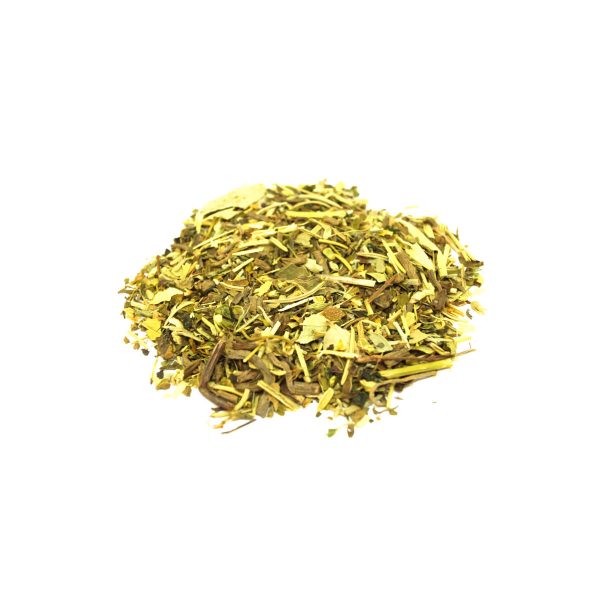
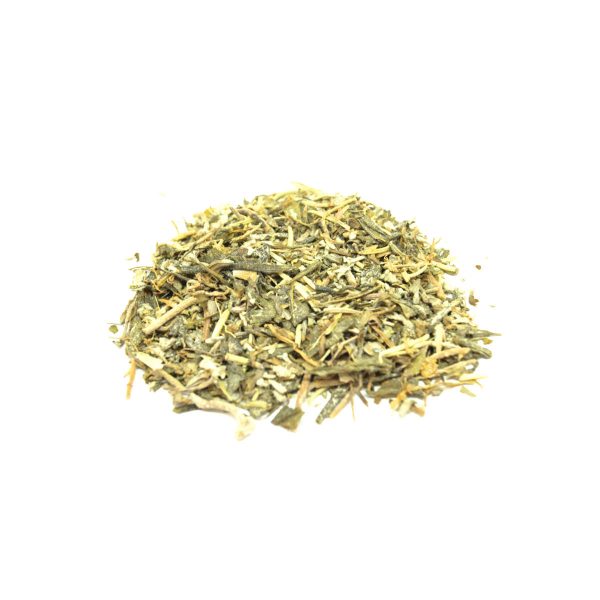
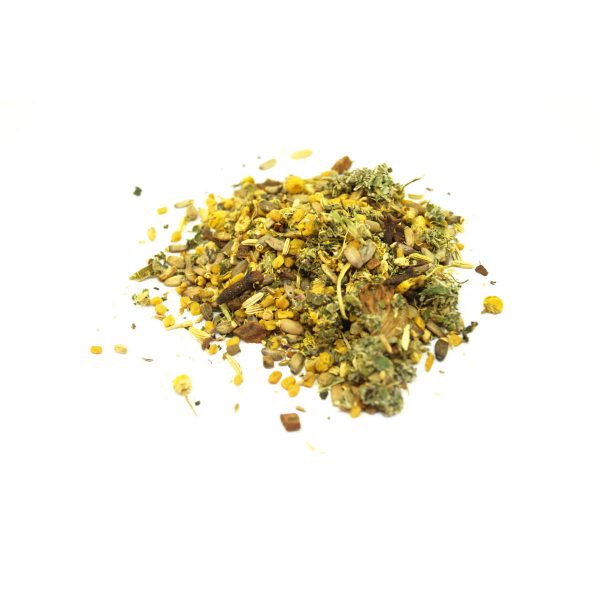
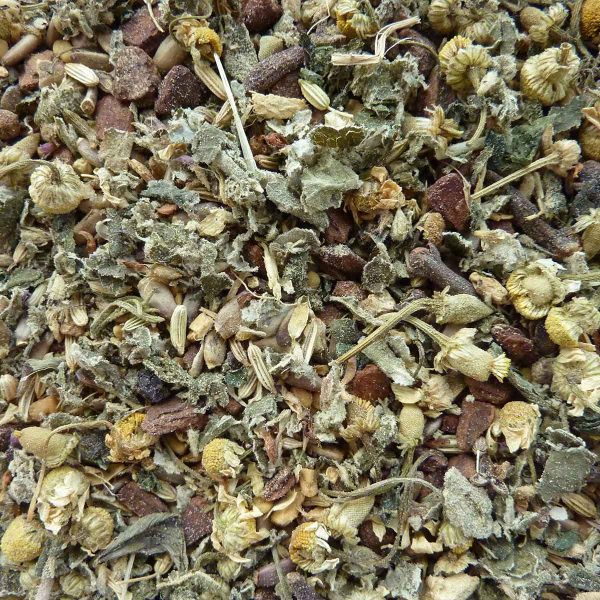
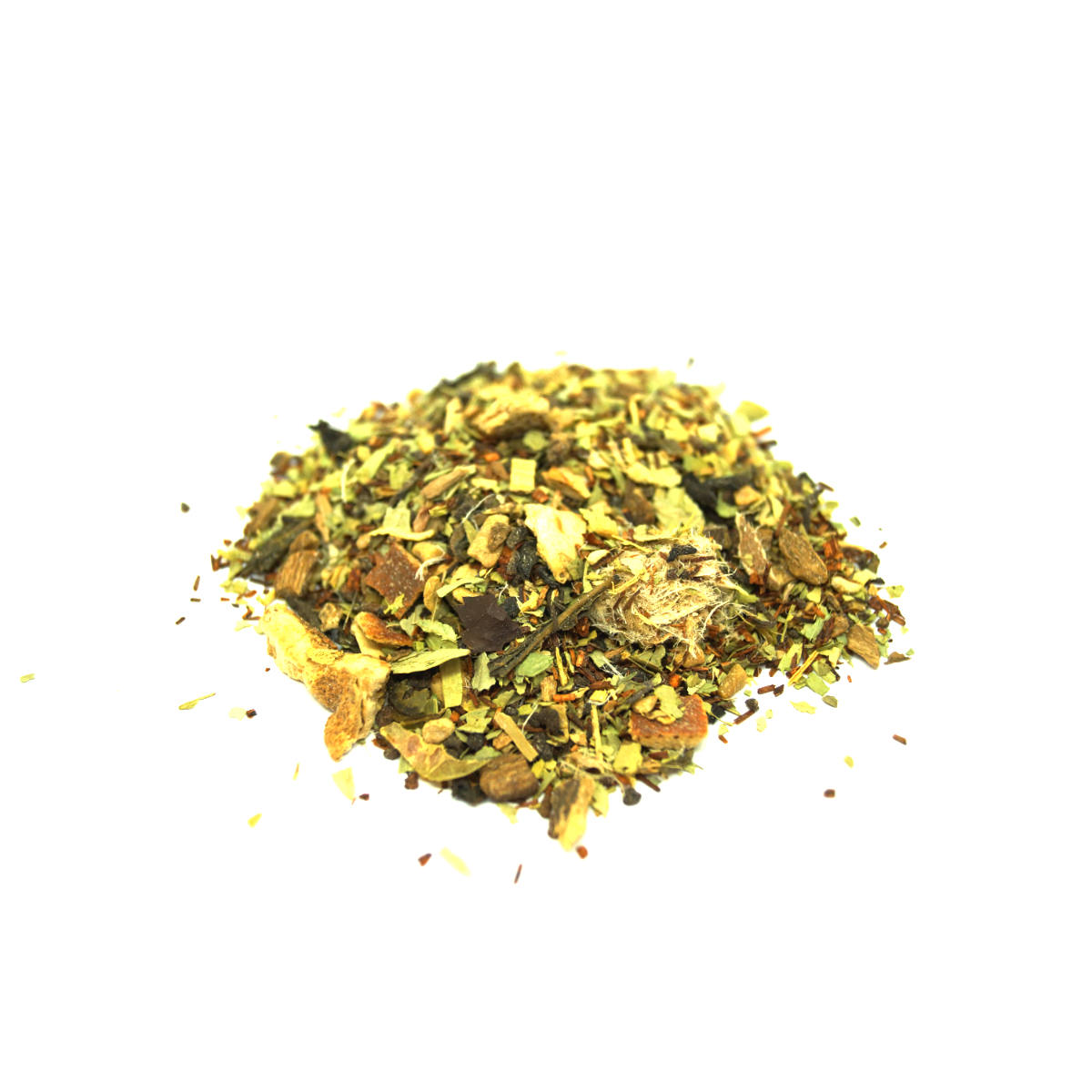
Ingredients: Steep Me Proprietary Organic and Wildcrafted blend of Steep Me Proprietary Organic and Wildcrafted blend of Shou (ripe) Puerh (pronounced POO-ar) Tea from Yunnan Province in China aged by Microbial Fermentation, Red Rooibos Tea from Cedarburg Province in South Africa (pronounced ROY-boss) ~ Rich in Vitamin C ~ Low in Tannins, enhanced with Ginger Root, Chicory Root, Senna Leaf, Elderflower, Black Cumin Seeds, Dried Orange Peel, Burdock Root, Strawberry Leaf, Plantain Leaf, Horehound, Anise Seed, Licorice Root, Mugwort, Slippery Elm Bark & Helichrysum Flowers.
Alternatively, try our Digestive Health Phyto~Nutrition Tea OR Biome-Aid RTD Pickle Brine OR Puerh Tradition Loose Tea OR Tummy Tamer Phyto~Nutrition Tea OR Diverticulitis Phyto~Nutrition Tea OR Crohn’s Phyto~Nutrition Tea
Safe for Pregnancy with Modification
Safe for Breastfeeding
NOTE: This/these claim(s) have/have not been evaluated by the Food and Drug Administration. The products offered by Steep Me Tea Apothecary -Franchisees – Wholesalers – Influencers or SteepMe.com are not intended to treat, cure, or prevent any illness or disease. If you have or suspect that you have a medical problem, consult with your physician for diagnosis or treatment. All gender specific blends are based on Gender Assigned at Birth. Use herbs as per instructions and always watch for any allergic reactions. You should always carefully read all product packaging and labels. Always consult your physician or health care provider before using any herbal products, especially if you have a medical problem. Steep Me Tea Apothecary and SteepMe.com and/or its proprietors assume no liability for any injury, illness or adverse effects caused by the misuse and/or use of the information or products presented
NOTE: When using Teas, Capsules, Tinctures and Micro-Nutrition to help with your ailment ~ please remember this is a marathon ~ we recommend an investment of time of at least 6 months to see positive change. Any gender specific blends are based on gender assigned at birth.
“Processed in a facility that also processes food containing milk, egg, fish, peanut, shellfish, soy, tree nuts, wheat, and sesame. May contain traces of milk, egg, fish, peanut, shellfish, soy, tree nuts, wheat, and sesame.”
Additional information
| Weight | 4 oz |
|---|---|
| Size | 1 oz sample bag, 1/2 # Bulk Bag, 4oz Sealed Bag |
Benefits