Back to products
Friends in Chai Places
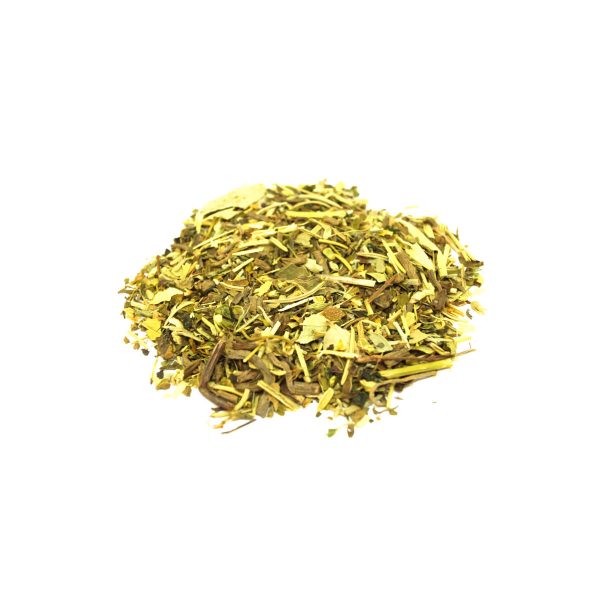
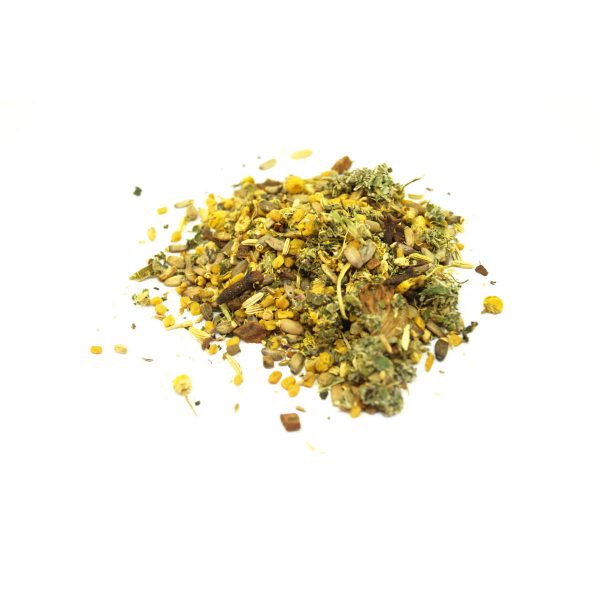
From: $14.00
Nicotine Cessation
From: $17.00
Great combination to help with the desire to have nicotine.
Description
Blender’s Notes Nicotine Cessation:
Steep Me Self-Help Tea combinations are a wonderful way to get health benefits outside of the standard tea leaf. This combination of herbs helps with the side effects of quitting nicotine. We blended these different herbs to help calm the body, calm the mind and detox to help with the withdrawal process!
We based this blend on Green and Oolong Tea. Green and oolong tea can support your body in ways that make the nicotine withdrawal process easier and strengthen your overall health. Green tea is rich in catechins, especially EGCG, a powerful antioxidant that reduces inflammation and protects cells from oxidative stress caused by smoking & vaping. This antioxidant activity supports your cardiovascular system, helps regulate blood sugar, and can improve cognitive function and mood through compounds like L‑theanine, which promotes calm focus and reduces anxiety—one of the most common withdrawal symptoms. Green tea’s mild caffeine content can also help counter withdrawal‑related fatigue without overstimulation. Over time, its anti-inflammatory and metabolic effects can support healthier skin, stronger bones, and improved cholesterol levels, all of which contribute to long-term recovery from nicotine’s impact on the body. Oolong tea, which sits between green and black tea in oxidation, offers a unique blend of antioxidants including theaflavins and catechins. Oolong tea can have even stronger antioxidants and antimutagenic effects than green tea, helping protect cells as your body heals from nicotine exposure. Its polyphenols can help regulate blood sugar and reduce insulin resistance, supporting metabolic stability during withdrawal when appetite and cravings often increase. Oolong also contains L‑theanine, which supports relaxation, improved sleep quality, and reduced stress—key benefits when irritability and restlessness peak during withdrawal. Additionally, oolong tea can boost metabolism and fat oxidation, support heart health by lowering triglycerides and cholesterol, and improve gut microbiota—important for overall wellness as your body adjusts to life without nicotine. Together, green and oolong tea offer antioxidant protection, mood support, metabolic balance, and cardiovascular benefits that can make nicotine withdrawal more manageable while strengthening your long-term health. Plus, the warm-tea ritual can also replace the hand-to-mouth habit that many people miss after quitting. Next, Rhodiola Root was also added because it is one of the more useful herbs during nicotine withdrawal because it works on the stress‑response systems that withdrawal tends to disrupt. Its most important benefit comes from regulating the body’s HPA axis, the system that controls cortisol and stress hormones. By helping balance this system, rhodiola can reduce withdrawal‑related symptoms like irritability, low mood, and mental fatigue. It contains active compounds called rosavins and salidroside, which have been shown to improve energy, focus, and resilience under stress — a major advantage when nicotine cravings spike or motivation dips. Rhodiola also supports healthy neurotransmitter activity, including serotonin and dopamine, which can help stabilize mood and reduce the emotional crash that often follows quitting nicotine. Rhodiola’s antioxidant and anti‑inflammatory effects contribute to overall cellular protection, supporting cardiovascular health, reducing oxidative stress from past smoking & vaping, and improving endurance and recovery. Many people also experience better mental clarity, stress tolerance, and sleep quality, all of which help the body heal and maintain balance as it adjusts to life without nicotine. Next, we included Lobelia. Lobelia contains lobeline, a plant alkaloid that interacts with nicotine receptors in the brain. Lobeline doesn’t mimic nicotine in the same rewarding way, but it can partially occupy those receptors, which can help reduce the intensity of cravings and ease the transition as your body adjusts to life without tobacco. Lobelia can also support respiratory health by acting as an expectorant, helping clear mucus and improve airflow because smoking & vaping often leaves the lungs irritated and congested. Lobelia can be positive for mood regulation because it contains mild calming properties that can help with irritability and restlessness during detox. It also contains antioxidant compounds that can support cellular protection, helping your body recover from oxidative stress caused by long-term nicotine exposure.
Ginseng is one of the most powerful herbs you can use during nicotine withdrawal because it supports the systems that get most disrupted when nicotine leaves your body. Its strongest benefit comes from its ability to restore energy, stabilize mood, and strengthen stress resilience. Ginseng’s active compounds—ginsenosides—help regulate dopamine and serotonin activity, which can soften withdrawal‑related symptoms like irritability, low motivation, mental fatigue, and the emotional “crash” that often follows quitting nicotine. It also supports the adrenal glands, helping balance stress hormones so you feel less overwhelmed, tense, or drained during withdrawal. Many people notice improved mental clarity, focus, and stamina, which helps counter the sluggishness and brain fog that appear when nicotine is no longer stimulating your nervous system. In several important ways Ginseng has antioxidants and anti‑inflammatory effects that help protect cells from oxidative stress, something your body deals with heavily after long‑term nicotine exposure. Ginseng supports immune function, improves circulation, enhances physical endurance, and can help regulate blood sugar, which is useful because cravings and appetite changes often spike during withdrawal. Over time, ginseng promotes balanced energy, stronger stress tolerance, and healthier metabolic function, making it a valuable herb for long‑term recovery and daily wellness. We included Skullcap because it is often used during nicotine withdrawal because it supports the parts of your nervous system that get stressed when you stop using nicotine. Its strongest benefit comes from its calming, anxiolytic effects. Skullcap contains flavonoids like baicalin and scutellarin, which help regulate GABA activity in the brain. This can ease withdrawal‑related symptoms such as irritability, restlessness, and the “wired‑but‑tired” feeling many people experience when nicotine leaves their system. Skullcap also supports sleep quality, helping reduce insomnia or fragmented sleep that often appears in early withdrawal. Its mild muscle‑relaxing properties can help with tension headaches and physical agitation, making the transition away from nicotine more comfortable. Skullcap contributes to overall health through its antioxidant and anti‑inflammatory effects. These compounds help protect cells from oxidative stress, which is a major concern for anyone recovering from long‑term nicotine exposure and can support cardiovascular and metabolic health as your body recalibrates. Skullcap can also support mood stability, helping regulate stress responses and promote a sense of mental balance. Ginger was added because it supports several systems that get disrupted when you stop using nicotine. Its most important benefit comes from its ability to stabilize digestion and reduce nausea. When nicotine leaves your system, your gut often becomes more sensitive to ginger’s gingerols and shogaols help calm the stomach, ease queasiness, reduce bloating, and support smoother digestion. Ginger also has powerful anti‑inflammatory and antioxidant effects, which help your body repair oxidative stress and inflammation built up from long‑term nicotine exposure. These antioxidants support cardiovascular health, improve circulation, and help protect tissues as your body detoxifies. Ginger’s warming, stimulating nature can also help counter withdrawal‑related fatigue, giving you a gentle boost in energy and mental clarity without relying on nicotine’s artificial stimulation. On the respiratory side, ginger can help loosen mucus and soothe irritated airways, supporting lung recovery as your body clears out smoke‑related residue. Over time, ginger contributes to overall wellness by supporting immune function, balancing blood sugar, and promoting healthier inflammatory responses, making it a valuable herb for long‑term recovery and daily health.
We added Valerian Root because its strongest benefit comes from its calming, sedative effects: valerian contains compounds like valerenic acid and various antioxidants that help regulate GABA, the neurotransmitter responsible for relaxation. This can ease withdrawal‑related symptoms such as irritability, anxiety, restlessness, and the “wired but exhausted” feeling many people experience when nicotine leaves their system. Valerian is also well known for improving sleep quality, helping reduce insomnia, nighttime agitation, and early‑morning awakenings—issues that often intensify during withdrawal. By supporting deeper, more restorative sleep, valerian indirectly strengthens mood, energy, and stress tolerance throughout the day. Valerian contributes to overall health by reducing chronic stress responses, supporting balanced nervous‑system activity, and offering mild muscle‑relaxing effects that can help with tension headaches or physical agitation. Its antioxidant properties can also help protect cells from oxidative stress, something your body deals with heavily after long‑term nicotine exposure. We also added Peppermint Leaf. Peppermint is helpful because it supports several systems that get stressed when you stop using nicotine. Its strongest benefit comes from its ability to calm and refresh the nervous system: peppermint’s menthol and aromatic compounds can ease withdrawal‑related irritability, tension, and mental fatigue, giving you a clearer, more grounded feeling as your brain adjusts to life without nicotine. Peppermint also supports respiratory health, helping open the airways and soothe irritation as your lungs begin clearing out mucus and toxins left from smoking & vaping. This can make breathing easier and reduce the tightness or mild coughing that often appears early in withdrawal. On the digestive side, peppermint helps relax smooth muscles in the gut, easing nausea, stomach discomfort, and appetite fluctuations many people experience when nicotine is no longer stimulating their digestive system. Its antioxidant and anti‑inflammatory properties contribute to overall cellular protection, helping your body repair oxidative stress and inflammation built up from long‑term nicotine exposure. Because peppermint is gentle, widely available, and generally safe, it works well as a daily support herb while your body stabilizes and heals. In this blend we included Echinacea. Echinacea benefits include immune support, inflammation reduction, and overall cellular protection, which can help your body recover from the stress smoking & vaping has placed on it. Echinacea is rich in antioxidants like flavonoids, cichoric acid, and rosmarinic acid, which help defend cells from oxidative stress since nicotine and cigarette toxins increase free‑radical damage. Echinacea also has anti‑inflammatory properties which can reduce markers like IL‑6 and TNF‑α, helping calm chronic inflammation that smoking & vaping often worsens. It can help with anxiety, which is a common withdrawal symptom and it contains compounds such as alkamides and rosmarinic acid have been linked to reduced anxious feeling, Echinacea supports immune function helping your body fight infections more effectively as it heals from smoking & vaping-related strain and contribute to better blood sugar control, skin repair, and even cellular protection in ways that support long-term health. Licorice root can be a supportive herb during nicotine withdrawal because it works on several systems that become stressed when nicotine is removed. Its most important benefit comes from its ability to support the adrenal glands and stabilize stress hormones, which helps reduce withdrawal‑related fatigue, irritability, and the emotional crash that often follows quitting nicotine. Licorice root contains glycyrrhizin, a compound that helps maintain cortisol balance and extend the calming effects of your natural stress‑response chemicals. This can make mood swings, restlessness, and tension easier to manage. Licorice root also soothes the respiratory system, helping calm irritated airways and loosen mucus as your lungs begin clearing out the residue left from smoking & vaping. Its anti‑inflammatory and antioxidant properties support cellular repair and help counter the oxidative stress your body has accumulated from long‑term nicotine exposure. Licorice root contributes to overall health by supporting digestion, reducing inflammation, and helping maintain stable blood sugar—important because cravings and appetite changes often spike during withdrawal. It also has mild immune‑supporting effects and can help protect the stomach lining, making it useful during periods of stress.
English ivy was also added because it contains saponins that help loosen and clear mucus from the lungs, making it easier to breathe and helping your airways recover from the irritation and congestion caused by nicotine and smoke exposure. This expectorant effect can be especially helpful in early withdrawal, when your lungs begin clearing built‑up residue. English ivy also has anti‑inflammatory and antioxidant compounds that can help reduce irritation in the respiratory tract and protect cells from oxidative stress in which your body deals with heavily after long‑term nicotine use. It can support bronchial relaxation, which can ease tightness in the chest and improve airflow as your lungs heal. English ivy contributes to overall wellness by supporting immune function and helping maintain healthy respiratory tissue. Horsetail isn’t directly tied to nicotine withdrawal, but it supports several systems in your body that become stressed when you stop using nicotine. Its strongest benefit comes from its extremely high silica content, which helps strengthen connective tissues, bones, hair, nails, and skin. This matters during withdrawal because long‑term nicotine use increases oxidative stress and can weaken tissue repair; horsetail’s minerals and antioxidants help your body rebuild and recover. Horsetail also supports kidney and urinary health, acting as a gentle diuretic that encourages detoxification useful as your body clears out the metabolic byproducts of nicotine. Its anti‑inflammatory and antioxidant compounds can help reduce systemic inflammation, support vascular health, and protect cells from oxidative damage, all of which are important after years of nicotine exposure. Some people also find horsetail mildly calming, which can help soften withdrawal symptoms like restlessness or tension, though it’s not considered a primary nervous‑system herb. Overall, horsetail contributes to long‑term wellness by supporting tissue repair, mineral balance, and cellular protection. We added St. John Wort St. John’s wort can be helpful during nicotine withdrawal because it supports the emotional and neurological systems that get disrupted when you stop using nicotine. Its most important benefit comes from its effect on mood regulation: the herb contains hypericin and hyperforin, compounds known to influence serotonin, dopamine, and norepinephrine activity. This can help soften withdrawal‑related symptoms like low mood, irritability, emotional volatility, and the “flat” feeling many people experience when nicotine is no longer stimulating the brain’s reward pathways. St. John’s wort also supports stress resilience, helping stabilize the nervous system and reduce the tension, restlessness, and mental fatigue that often appear during withdrawal. Some people find it improves sleep quality, which indirectly strengthens mood, energy, and cognitive clarity as the body adjusts to life without nicotine. St. John’s wort contributes to overall health through its antioxidant and anti‑inflammatory properties, which help protect cells from oxidative stress—a major concern for anyone recovering from long‑term nicotine exposure. It can support immune balance, promote healthier stress responses, and help maintain emotional stability over time. Catnip is a surprisingly useful herb during nicotine withdrawal because it gently supports both the nervous system and the digestive system—two areas that often become stressed when you stop using nicotine. Its strongest benefit comes from its calming, anxiolytic effects: catnip contains compounds like nepetalactone and various flavonoids that help relax the nervous system, easing withdrawal‑related symptoms such as irritability, restlessness, tension, and emotional volatility. This calming action also supports better sleep, helping reduce insomnia and the “wired but tired” feeling that often appears when nicotine is no longer stimulating your brain. Catnip’s mild antispasmodic properties can soothe muscle tension and headaches, making the physical side of withdrawal more manageable. Catnip contributes to overall health through its gentle support of digestion and inflammation balance. It can ease stomach discomfort, bloating, and nausea—issues that sometimes arise when your body adjusts to life without nicotine. Its antioxidant compounds help protect cells from oxidative stress, something your body deals with heavily after long-term nicotine exposure. Catnip also supports immune function and can help regulate mild fevers or inflammation, contributing to a more stable internal environment as your body heals.
Oat straw is one of the most supportive herbs you can use during nicotine withdrawal because it nourishes the nervous system rather than simply sedating it. Its strongest benefit comes from its ability to restore and stabilize the stress‑response system, which becomes dysregulated when nicotine is removed. Oat straw is rich in compounds like avenanthramides, B‑vitamins, minerals, and antioxidants that help calm overstimulation, reduce irritability, and ease the emotional volatility that often appears during withdrawal. It’s considered a “trophorestorative” herb—meaning it gradually rebuilds and strengthens the nervous system—so it can help with symptoms like restlessness, mental fatigue, and that drained, foggy feeling that comes from quitting nicotine. Oat straw also supports healthy dopamine regulation, which can soften the crash in motivation and mood that happens when nicotine is no longer providing artificial stimulation. Oat straw contributes to overall health by supporting cardiovascular function, improving circulation, and reducing inflammation throughout the body. Its antioxidant profile helps protect cells from oxidative stress, something your body deals with heavily after long-term nicotine exposure. Many people also experience improved sleep quality, steadier energy, and better stress tolerance as oat straw gently nourishes the nervous system over time. We also added Egyptian Chamomile Flowers. They are one of the gentlest and most supportive herbs you can use during nicotine withdrawal, mainly because it helps calm the nervous system at a time when your body is relearning how to function without nicotine’s constant stimulation. Its strongest benefit comes from its soothing, anxiolytic effects: chamomile contains apigenin, a flavonoid that interacts with GABA receptors in the brain to promote relaxation. This can ease withdrawal‑related symptoms like irritability, anxiety, restlessness, and emotional volatility. Chamomile also supports sleep quality, helping reduce insomnia, nighttime agitation, and the “wired but tired” feeling that often appears when nicotine leaves your system. Better sleep strengthens mood, energy, and resilience throughout the day, making withdrawal more manageable. Egyptian Chamomile Flowers contributes to overall health through its anti‑inflammatory and antioxidant properties, which help protect cells from oxidative stress—a major issue for anyone recovering from long‑term nicotine exposure. It can soothe the digestive system, ease tension headaches, support immune function, and promote balanced inflammation throughout the body. Finally, Hyssop contains volatile oils and flavonoids that act as natural expectorants, helping loosen and clear mucus from the lungs. This can be especially helpful in early withdrawal, when your respiratory system begins clearing out the buildup caused by smoking & vaping. Hyssop also has anti‑inflammatory and antioxidant properties that can soothe irritated airways, reduce coughing, and support overall lung recovery. These same antioxidants help protect cells from oxidative stress, something your body deals with heavily after long-term nicotine exposure. On the nervous system side, hyssop has mild calming and mood‑steadying effects, which can help ease withdrawal symptoms like restlessness, irritability, and mental tension and hyssop supports general wellness by promoting healthy digestion, aiding immune function, and contributing to balanced inflammation throughout the body.
NOTE: “This/these claim(s) have/have not been evaluated by the Food and Drug Administration. This product is not intended to diagnose, treat, cure or prevent any disease.”
Features Nicotine Cessation:
- Lots of individual flavor based on the ingredients
- All Wildcrafted Herbs
- All Organic where Wildcrafted is not available
- Sweet and Earthy ~ Smooth Taste
- Light Colour Cup of Tea
- Full of natural antioxidants and Low in Tannins and Very Hydrating
- Sample Size ~ 1 oz will make 8-10 ~ 16 oz teas
- Sealed Bag ~ 4 oz will make 32-40 ~ 16 oz teas
- Iced Tea ~ Always Double the amount of Tea for the same size cup!
- Caffeine: Medium
Ingredients:
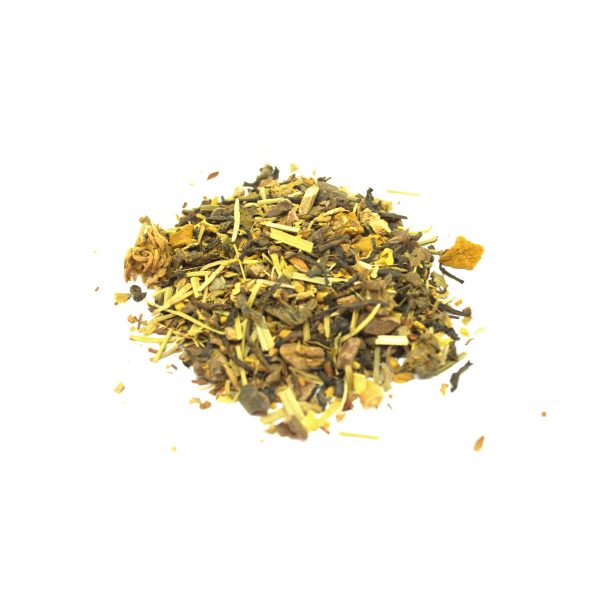
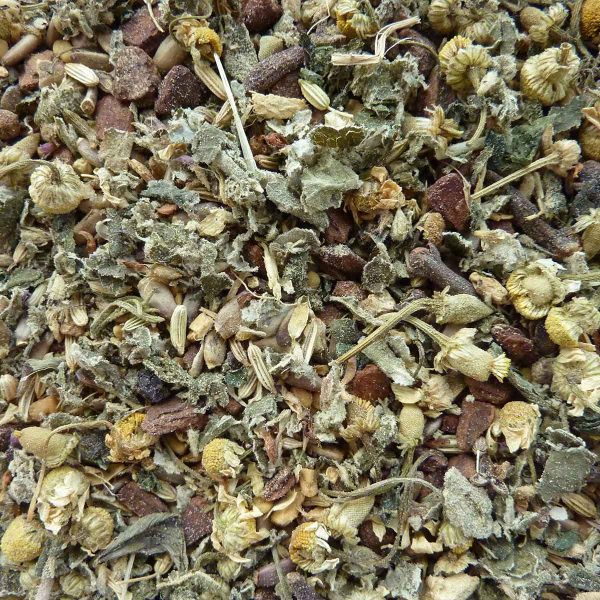
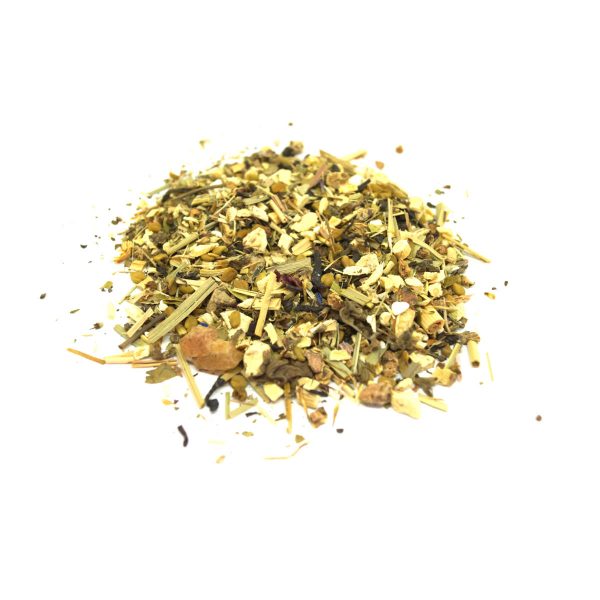
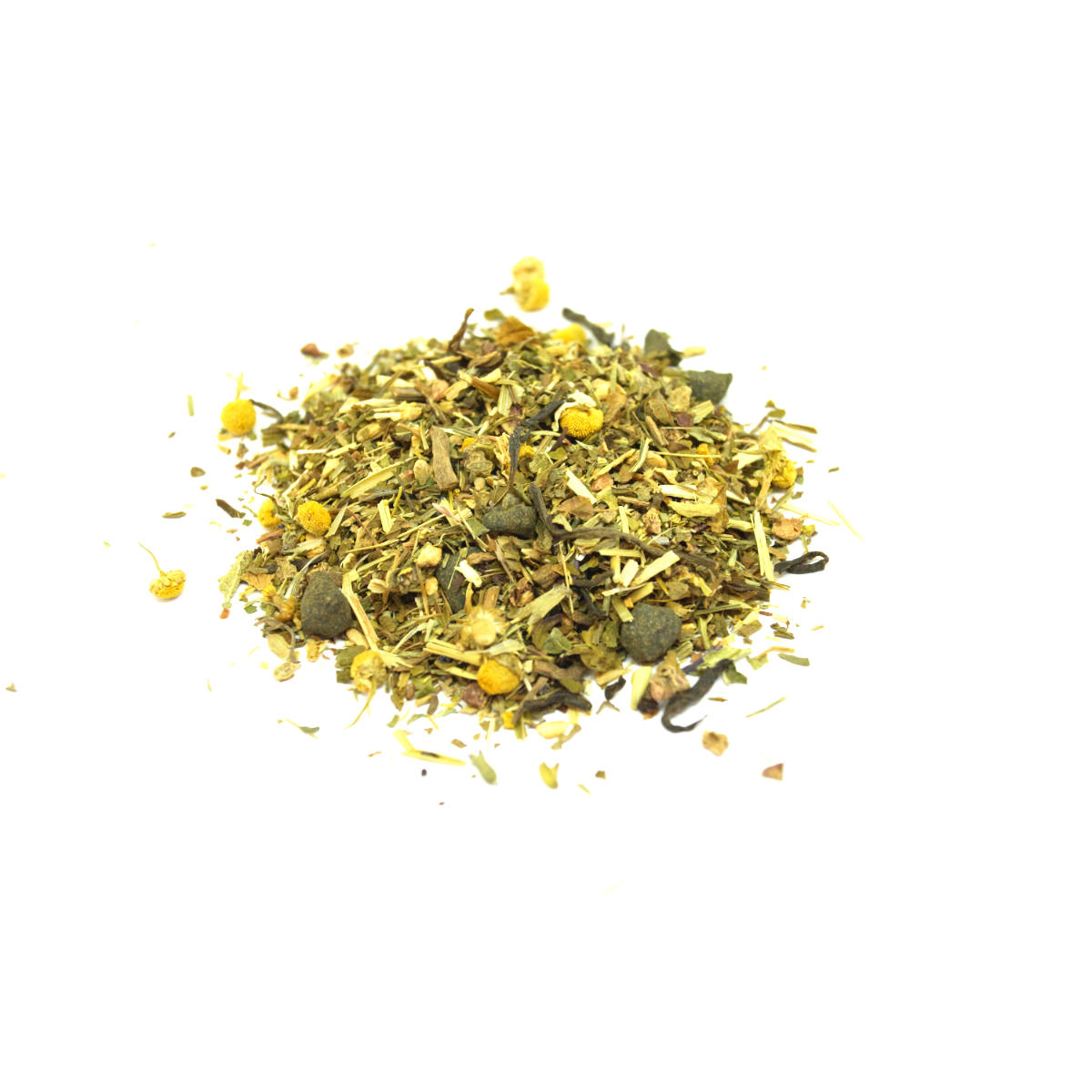
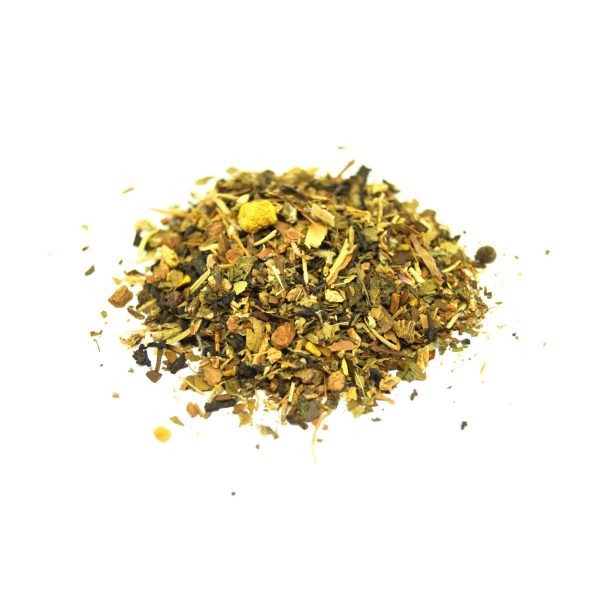
Steep Me Proprietary Organic and Wildcrafted Blend of Chinese Zhen Mei Green Tea scented or layered with Jasmine Blossoms (a holy flower that is the symbol of forever love), Ti Kuan Yin (Tieguanyin) Oolong originated from Anxi in the Fujian province in China, Rhodiola Root, Lobelia, Ginseng Root, Skullcap, Ginger Root, Valerian Root, Peppermint Leaf, Echinacea, Licorice Root, English Ivy, Horsetail, St. John’s Wort, Catnip, Oat straw, Egyptian Chamomile Flowers and Hyssop
Alternatively, try our Calming Hug Phyto~Nutrition Tea OR Anxious Brain Phyto~Nutrition Capsules OR Anxiety Phyto~Nutrition Capsules
Not Safe for Pregnancy
Not Safe for Breastfeeding
Not Safe with Antidepressant or Anxiety Medication (SSRI or MAOI)
May Cause Drowsiness
NOTE: These claim(s) have/have not been evaluated by the Food and Drug Administration. The products offered by Steep Me Tea Apothecary -Franchisees – Wholesalers – Influencers or SteepMe.com are not intended to treat, cure, or prevent any illness or disease. If you have or suspect that you have a medical problem, consult with your physician for diagnosis or treatment. All gender specific blends are based on Gender Assigned at Birth. Use herbs as per instructions and always watch for any allergic reactions. You should always carefully read all product packaging and labels. Always consult your physician or health care provider before using any herbal products, especially if you have a medical problem. Steep Me Tea Apothecary and SteepMe.com and/or its proprietors assume no liability for any injury, illness or adverse effects caused by the misuse and/or use of the information or products presented
NOTE: When using Teas, Capsules, Tinctures and Micro-Nutrition to help with your ailment ~ please remember this is a marathon ~ we recommend an investment of time of at least 6 months to see positive change. Any gender specific blends are based on gender assigned at birth.
“Processed in a facility that also processes food containing milk, egg, fish, peanut, shellfish, soy, tree nuts, wheat, and sesame. May contain traces of milk, egg, fish, peanut, shellfish, soy, tree nuts, wheat, and sesame.”
Additional information
| Weight | N/A |
|---|---|
| Size | 1 oz sample bag, 1/2 # Bulk Bag, 4oz Sealed Bag |
Benefits
Related products

Hitch ~ Women’s Tea ~~ GRAS Certified Ingredients
A great overall women's health tea - use on a daily basis to maintain health benefits. Not meant for women below the age of 26. This women's tea is a great hormone balancing tea with great response from the users on reduced inflammation and reduced anxiety. A great sweet taste...give it a try today!