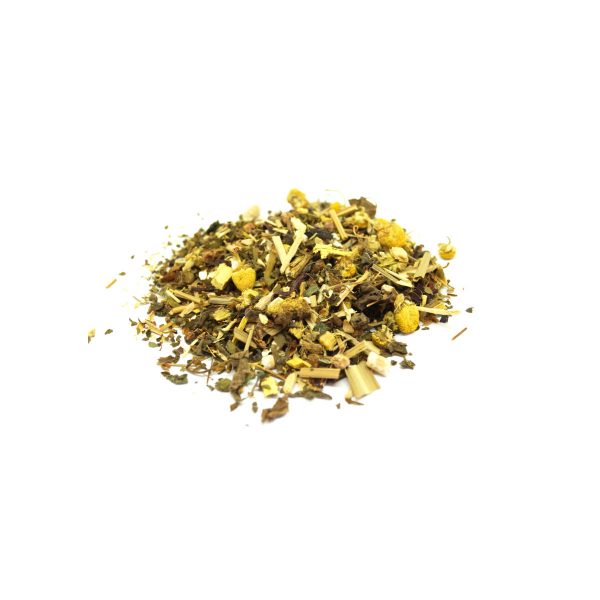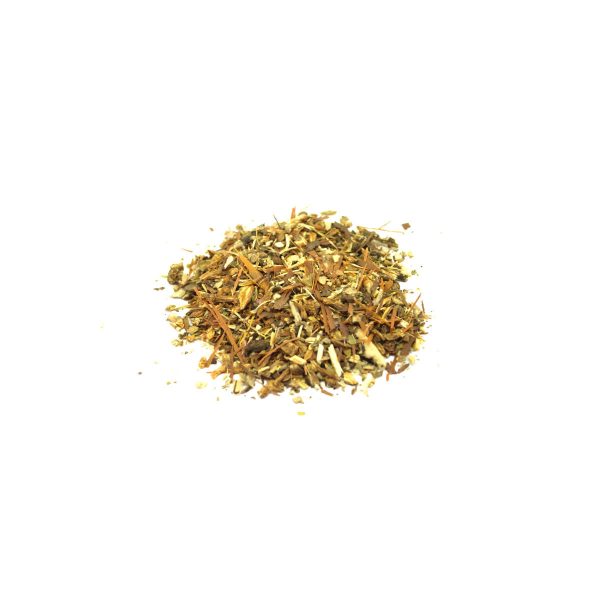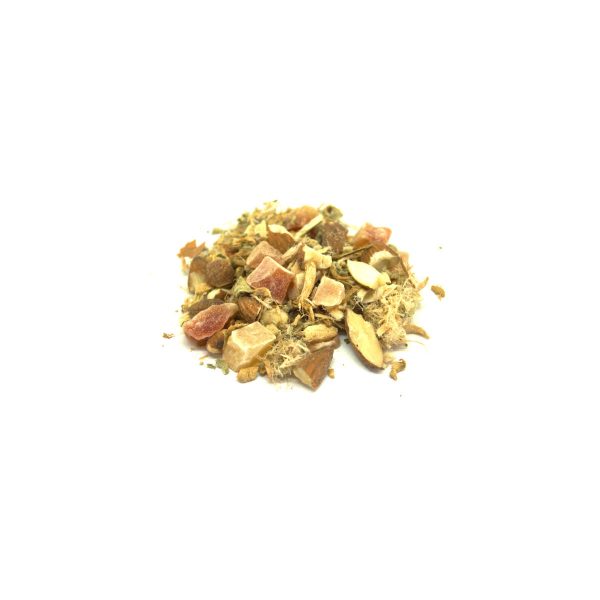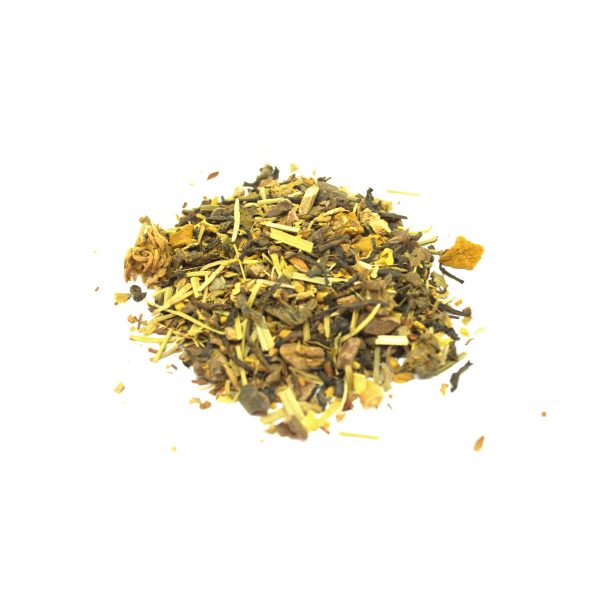
Feelin’ Good
From: $17.00
Great combo to boost energy all day while getting great recovery herbs for athletic performance or high stress days.
Description
Blender’s Notes Feelin’ Good:
Steep Me Self-Help combinations are a wonderful way to get health benefits outside of the standard tea leaf. In this combination of herbs, we really wanted to offer a blend to provide supporting herbs to directly help with physical recovery, giving energy and allowing the body to heal. This combination of herbs helps you – our athletes – get your bodies to recover sooner. What is athletic recovery? Recovery in sports refers to the physiological and psychological processes that help an athlete restore their body and mind to pre-exercise states after intense physical activity. These processes aid in repairing tissue damage, replenishing energy stores, and reducing fatigue, facilitating enhanced performance and injury prevention. Recovery is of paramount importance in sports, as it directly impacts an athlete’s performance, injury risk, and overall well-being. A well-structured recovery regimen enables athletes to maintain consistent performance, avoid overtraining, and reduce the likelihood of injuries, thus contributing to a successful and sustainable sports career. It allows the body to repair damaged tissues, replenish energy stores, reduce fatigue, and restore hormonal balance. Additionally, proper recovery supports mental recuperation, enhances skill development, and fosters long-term health and well-being. The primary purpose of sports recovery is to facilitate the restoration of an athlete’s physical and mental capacities to pre-exercise states, enabling them to continue training and competing at optimal levels. Recovery also aims to minimize the risk of overtraining, injuries, and burnout, thus promoting long-term success in sports. Recovery in Sports: Definition, Principle, Importance, Types, and Different Techniques – Athletic Insight
In this blend we have added Green Tea. supports physical recovery by reducing inflammation, boosting energy, and aiding cellular repair. Its antioxidants (especially EGCG) help fight fatigue and promote healing, making it a valuable ally during recovery. Green tea is rich in catechins, particularly epigallocatechin gallate (EGCG), which neutralizes free radicals. This reduces oxidative stress, a major factor in fatigue and delayed healing. Chronic inflammation slows recovery. Green tea polyphenols lower inflammatory markers like tumor necrosis factor-alpha, helping tissues repair more efficiently. The combination of caffeine and L-theanine in green tea provides a gentle energy lift without the crash. This synergy improves alertness while reducing mental and physical fatigue. Green tea enhances fat metabolism, which can improve endurance and energy availability during recovery phases. Catechins support immune defense, reducing the risk of infections that can delay healing. Green Tea’s L-theanine promotes relaxation and reduces stress, supporting autonomic balance and mental recovery. The greatest features of Green Tea include: ~ Muscle Recovery: Antioxidants reduce exercise-induced muscle damage, speeding up repair ~ Joint & Tissue Healing: Anti-inflammatory properties ease soreness and support connective tissue recovery ~ Reduced Fatigue: Gentle stimulation from caffeine plus calming effects of L-theanine help sustain energy without overstimulation ~ Digestive & Systemic Healing: Green tea polyphenols support gut health, which is central to nutrient absorption and overall recovery. Along with Green Tea, we also added in Caffeine-Free African Rooibos also known as red tea, hails from South Africa, where it is an extremely popular beverage. Rooibos tea supports physical recovery by reducing inflammation, easing fatigue, and protecting cells with its unique antioxidant profile—all without caffeine, making it a gentle aid for healing and resilience. Rooibos is naturally caffeine-free, which makes it ideal for recovery periods when overstimulation could hinder rest. Rooibos contains rare antioxidants like aspalathin and nothofagin, which help neutralize free radicals, reduce oxidative stress, and support cellular repair. Rooibos polyphenols lower pro-inflammatory cytokines and reactive oxygen species, helping tissues recover from strain or injury. Rooibos is low in tannins, unlike black or green tea, so it does not interfere with iron absorption. This supports nutrient uptake critical for healing. Rooibos may improve cholesterol, triglycerides, and blood sugar regulation, which enhances systemic recovery and energy balance. The greatest features of Rooibos Tea include: ~ Muscle & Tissue Recovery: Antioxidants reduce oxidative damage after exertion, supporting faster repair ~ Reduced Fatigue: Its calming, caffeine-free nature helps restore energy without overstimulation, making it suitable for evening recovery ~ Stress & Burnout Prevention: Rooibos’ soothing properties aid nervous system balance, reducing stress-related fatigue ~ Bone & Skin Health: Rooibos contains small amounts of minerals (calcium, fluoride) and alpha hydroxy acid, supporting tissue healing and resilience. We also added Oolong Tea. Oolong tea supports physical recovery by combining antioxidant protection, metabolic stimulation, and nervous system balance—helping reduce fatigue, repair tissues, and sustain resilience. Oolong is semi‑oxidized, meaning it contains both catechins (like green tea) and theaflavins/thearubigins (like black tea). This dual antioxidant profile helps neutralize free radicals, reducing oxidative stress that slows down healing. Polyphenols in oolong lower inflammatory markers, supporting muscle and joint recovery after exertion. Oolong tea increases fat burning and calorie expenditure by up to 3.4%, improving energy availability during recovery. Oolong polyphenols improve insulin sensitivity and stabilize blood sugar, reducing fatigue crashes and activate enzymes that break down triglycerides and lowers cholesterol, improving circulation and nutrient delivery to healing tissues. Oolong contains L‑theanine, which promotes relaxation and cognitive clarity, helping prevent burnout while sustaining alertness. The greatest features of Oolong Tea include: ~ Muscle Recovery: Antioxidants reduce exercise‑induced muscle damage, speeding repair ~ Joint & Tissue Healing: Anti‑inflammatory compounds ease soreness and support connective tissue resilience ~ Reduced Fatigue: Moderate caffeine (≈38 mg per cup) provides gentle stimulation, while L‑theanine prevents overstimulation and calms the nervous system ~ Immune Support: Polyphenols strengthen immune defenses, reducing illness risk during recovery ~ Bone & Dental Health: Oolong may help prevent osteoporosis and tooth decay, supporting long‑term resilience. We also added White Tea. White Tea is a very delicate tea but offers powerful support for physical recovery, fatigue reduction, and cellular healing thanks to its high antioxidant content and gentle energy profile. White tea is minimally processed, preserving elevated levels of catechins (like EGCG). These compounds neutralize free radicals, reducing oxidative stress that slows tissue repair. Polyphenols lower inflammatory markers, helping muscles, joints, and connective tissue recover more efficiently. White tea contains moderate caffeine (less than green or black tea), providing a mild lift without overstimulation—ideal for reducing fatigue while allowing rest. Catechins and flavonoids enhance immune defense, reducing vulnerability to infections that can delay healing. Antioxidants in white tea protect collagen and elastin, supporting wound healing and tissue resilience. White tea can improve circulation and reduce cholesterol, ensuring nutrients reach recovering tissues more effectively. The greatest features of White Tea include: ~ Muscle Recovery: Antioxidants reduce exercise-induced muscle damage, speeding repair ~ Joint & Tissue Healing: Anti-inflammatory compounds ease soreness and support connective tissue resilience ~ Reduced Fatigue: Gentle caffeine content provides alertness without jitteriness, while polyphenols stabilize energy ~ Stress & Burnout Prevention: The mild stimulation combined with calming polyphenols helps balance the nervous system ~ Oral & Bone Health: White tea contains fluoride and tannins that support dental health and bone strength, aiding long-term recovery. Finally, the last tea we added is South American Yerba Mate Tea. Yerba Mate or Guayusa has traditionally been consumed by Indigenous peoples of the region for mental strength and courage, Guayusa has twice the antioxidants of green tea and supports physical recovery by boosting energy, reducing fatigue, and protecting cells with its unique blend of antioxidants, caffeine, and anti-inflammatory compounds. Antioxidant Protection: Yerba mate is rich in polyphenols, caffeoyl derivatives, and saponins, which neutralize free radicals and reduce oxidative stress that slows tissue repair. Yerba mate contains about 80 mg of caffeine, like coffee, but balanced with theobromine which provides sustained energy and alertness without the jittery crash. Caffeine in yerba mate improves muscle contractions, reduces fatigue, and enhances endurance, making it useful for post-exercise recovery. Saponins in yerba mate have cholesterol-lowering and anti-inflammatory properties, supporting tissue healing. Yerba mate may help protect against bacterial, parasitic, and fungal infections, reducing risk of illness during recovery. Yerba mate improves fat metabolism and blood sugar regulation, stabilizing energy levels and preventing fatigue crashes. The greatest features of Yerba Mate include: ~ Muscle Recovery: Antioxidants reduce exercise-induced muscle damage, speeding repair ~ Joint & Tissue Healing: Anti-inflammatory compounds ease soreness and support connective tissue resilience ~ Reduced Fatigue: Balanced stimulation from caffeine and theobromine sustains energy while calming the nervous system ~ Burnout Prevention: Yerba mate’s unique stimulant profile enhances alertness and focus, supporting mental resilience ~ Nutrient Support: Contains small amounts of vitamins (C, B1, B2, B6) and minerals, aiding systemic recovery
Along with the above teas we added Rhodiola. is a powerful adaptogenic herb that supports physical recovery, reduces fatigue, and enhances the body’s ability to heal by balancing stress responses and boosting cellular energy. Rhodiola modulates the hypothalamic–pituitary–adrenal (HPA) axis, helping the body adapt to stress and prevent burnout. Active compounds (rosavins and salidroside) enhance mitochondrial ATP production, improving stamina and reducing both mental and physical fatigue. Rhodiola lowers pro-inflammatory cytokines, supporting tissue repair and reducing soreness after exertion. It increases antioxidant enzyme activity (like superoxide dismutase), reducing oxidative stress that slows healing. Rhodiola enhances immune cell activity, helping the body resist infections during recovery. By balancing neurotransmitters (serotonin, dopamine, norepinephrine), Rhodiola improves mood, focus, and resilience—critical for recovery and preventing burnout. The greatest features of Rhodiola include: ~ Muscle Recovery: Supports mitochondrial energy and reduces oxidative damage, speeding repair ~ Reduced Fatigue: Improves endurance, lowers perceived exertion, and sustains energy during recovery phases ~ Stress & Burnout Prevention: Adaptogenic effects stabilize cortisol levels, protecting against exhaustion and overtraining ~ Cognitive Recovery: Enhances mental clarity and reduces brain fog, supporting whole-body healing ~ Immune & Tissue Healing: Strengthens immune defenses and supports cellular repair. Next, we added in Ginseng Root. Ginseng is one of the most studied adaptogenic herbs, prized for its ability to enhance physical recovery, reduce fatigue, and strengthen the body’s healing capacity. Ginseng balances the hypothalamic–pituitary–adrenal (HPA) axis, stabilizing cortisol levels and protecting against stress-induced fatigue. Ginsenosides (active compounds) improve mitochondrial function and ATP production, sustaining energy and reducing exhaustion. Ginseng lowers pro-inflammatory cytokines, easing soreness and supporting tissue repair. It boosts antioxidant enzyme activity, reducing oxidative stress that slows healing. Ginseng enhances immune cell activity (macrophages, NK cells), helping the body resist infections during recovery. By modulating neurotransmitters (dopamine, serotonin, norepinephrine), ginseng improves mood, focus, and resilience—critical for healing and preventing burnout. The greatest features of Ginseng include: ~ Muscle Recovery: Reduces exercise-induced muscle damage and supports faster repair ~ Reduced Fatigue: Improves endurance, lowers perceived exertion, and sustains energy during recovery phases ~ Burnout Prevention: Adaptogenic effects stabilize stress hormones, protecting against exhaustion from chronic strain or overtraining ~ Cognitive Recovery: Enhances mental clarity and reduces brain fog, supporting whole-body healing ~ Immune & Tissue Healing: Strengthens immune defenses and supports cellular repair. We also added Echinacea because it is best known for immune support, but it also contributes to physical recovery, fatigue reduction, and healing through its anti-inflammatory, antioxidant, and immune-modulating properties. Echinacea stimulates immune cells (macrophages, natural killer cells) and increases cytokine activity, helping the body fight infections and recover faster. Compounds like alkamides and caffeic acid derivatives reduce pro-inflammatory cytokines, easing soreness and supporting tissue repair. Echinacea contains flavonoids and phenolic acids that neutralize free radicals, reducing oxidative stress that slows healing. By modulating the HPA (hypothalamic–pituitary–adrenal) axis, echinacea may help balance cortisol levels, indirectly reduce fatigue, and support resilience. Echinacea promote fibroblast activity and collagen synthesis, aiding skin and connective tissue repair. The greatest features of Echinacea include: ~ Muscle Recovery: Anti-inflammatory and antioxidant effects reduce exercise-induced muscle damage ~ Reduced Fatigue: Immune and stress-modulating properties help sustain energy during recovery phases ~ Burnout Prevention: By supporting immune and stress responses, echinacea may help prevent exhaustion during prolonged strain ~ Infection Defense: Strong immune support reduces risk of illness that can delay healing.
Next, we included Licorice Root. Licorice root (Glycyrrhiza glabra) is a traditional medicinal herb that supports physical recovery, reduces fatigue, and promotes healing through its adaptogenic, anti-inflammatory, and immune-modulating properties. Licorice root helps regulate the hypothalamic–pituitary–adrenal (HPA) axis, stabilizing cortisol levels. This supports resilience against stress and prevents adrenal fatigue. Glycyrrhizin and flavonoids reduce pro-inflammatory cytokines, easing soreness and supporting tissue repair. Licorice root contains compounds that neutralize free radicals, reducing oxidative stress that slows healing. Glycyrrhizin enhances interferon activity and immune cell function, helping the body resist infections during recovery. Licorice supports mucous membrane repair, aiding recovery in the gut, respiratory tract, and oral tissues. By stabilizing cortisol and improving adrenal function, licorice root helps sustain energy and reduce exhaustion. The greatest features of Licorice Root include: ~ Muscle & Tissue Recovery: Anti-inflammatory and antioxidant effects reduce exercise-induced damage, speeding repair ~ Reduced Fatigue: Adaptogenic support for adrenal glands helps restore energy balance ~ Burnout Prevention: Cortisol regulation protects against exhaustion from chronic stress or overtraining ~ Immune Defense: Strengthens resistance to infections that can delay healing ~ Digestive & Respiratory Healing: Soothes gut lining and respiratory tract, supporting systemic recovery. Next is Nettles. Nettle (Urtica dioica) is a nutrient-dense herb that supports physical recovery, reduces fatigue, and promotes healing through its mineral richness, anti-inflammatory compounds, and circulatory benefits. Nettles are rich in iron, magnesium, calcium, potassium, and silica, which restore depleted mineral reserves essential for muscle repair, energy production, and connective tissue healing. Compounds like flavonoids and phenolic acids reduce pro-inflammatory cytokines, easing soreness and supporting tissue recovery. Nettles contain polyphenols that neutralize free radicals, reducing oxidative stress that slows healing. High iron and vitamin C content support hemoglobin production, improving oxygen delivery and reducing fatigue. Nettles improve blood flow and reduce edema, aiding nutrient delivery and waste removal during recovery. Polysaccharides and lectins in nettles enhance immune function, helping the body resist infections during healing. The greatest features of Nettles include: ~ Muscle Recovery: Mineral replenishment and anti-inflammatory effects speed repair after exertion ~ Reduced Fatigue: Iron and magnesium support energy metabolism, reducing exhaustion and weakness ~ Joint & Tissue Healing: Anti-inflammatory compounds ease pain and support connective tissue resilience ~ Burnout Prevention: By nourishing adrenal and metabolic pathways, nettles help sustain resilience under stress ~ Skin & Wound Healing: Nettles support collagen formation and tissue repair, aiding recovery from injuries. In this blend we also added Gotu Kola. Gotu kola (Centella asiatica) is a revered herb in Ayurvedic and traditional Chinese medicine, known for its ability to support physical recovery, reduce fatigue, and promote healing through its effects on circulation, connective tissue repair, and nervous system balance. Gotu kola stimulates collagen synthesis and fibroblast activity, accelerating repair of skin, ligaments, and tendons. Improves microcirculation and venous tone, enhancing oxygen and nutrient delivery to tissues. This is especially helpful for recovery from fatigue, edema, or vascular strain. Triterpenoids (asiaticoside, madecassoside) reduce pro-inflammatory cytokines, easing soreness and supporting tissue repair. Polyphenols neutralize free radicals, reducing oxidative stress that slows healing. Gotu kola calms the nervous system, improves mental clarity, and reduces stress-related fatigue. Enhances immune defense, supporting resilience against infections during recovery. The greatest features of Gotu Kola include: ~ Muscle & Tissue Recovery: Collagen stimulation and anti-inflammatory effects speed repair after exertion or injury ~ Reduced Fatigue: Improved circulation and nervous system balance sustain energy levels ~ Burnout Prevention: Nervine properties calm the mind and body, protecting against stress-induced exhaustion ~ Skin & Wound Healing: Traditionally used for burns, scars, and ulcers due to its tissue-regenerative effects ~ Cognitive Recovery: Supports focus and memory, reducing mental fatigue during healing phases.
Next, we added Ashwagandha because Ashwagandha (Withania somnifera) is a powerful adaptogen that helps the body recover physically, reduce fatigue, and strengthen healing capacity by balancing stress hormones, boosting energy, and lowering inflammation. Ashwagandha balances the hypothalamic–pituitary–adrenal (HPA) axis, stabilizing cortisol levels. This protects against stress-induced fatigue and burnout. Active compounds (withanolides) enhance mitochondrial function and ATP production, improving stamina and reducing exhaustion. Ashwagandha lowers pro-inflammatory cytokines and C-reactive protein, supporting muscle and joint recovery. It boosts antioxidant enzymes (superoxide dismutase, catalase), reducing oxidative stress that slows tissue repair. Ashwagandha enhances white blood cell activity and modulates immune responses, helping the body resist infections during recovery. By balancing neurotransmitters (serotonin, dopamine, GABA), it improves mood, focus, and resilience—critical for healing and preventing burnout. The greatest features of Ashwagandha include: ~ Muscle Recovery: Reduces exercise-induced muscle damage and supports faster repair ~ Reduced Fatigue: Improves endurance, lowers perceived exertion, and sustains energy during recovery phases ~ Stress & Burnout Prevention: Adaptogenic effects stabilize cortisol, protecting against exhaustion from chronic stress or overtraining ~ Cognitive Recovery: Enhances mental clarity and reduces brain fog, supporting whole-body healing ~ Immune & Tissue Healing: Strengthens immune defenses and supports cellular repair. Next, we added Gingko. Ginkgo biloba is a traditional medicinal tree whose leaves are widely used to support recovery, reduce fatigue, and enhance healing—primarily through improved circulation, antioxidant protection, and neurovascular support. Ginkgo improves blood flow by dilating blood vessels and reducing platelet aggregation. Better circulation delivers oxygen and nutrients to tissues, accelerating healing. Rich in flavonoids and terpenoids, ginkgo neutralizes free radicals, reducing oxidative stress that slows tissue repair. Ginkgo reduces pro-inflammatory cytokines, supporting muscle, joint, and connective tissue recovery. By improving cerebral blood flow, ginkgo enhances brain recovery, reduces mental fatigue, and supports cognitive clarity. Ginkgo can improve mitochondrial function, sustaining cellular energy production during recovery. Ginkgo modulates neurotransmitters (dopamine, serotonin, norepinephrine), helping balance mood and reduce burnout-related fatigue. The greatest features of Gingko include: ~ Muscle & Tissue Recovery: Improved circulation and antioxidant effects speed repair after exertion ~ Reduced Fatigue: Enhanced oxygen delivery and mitochondrial support sustain energy levels ~ Burnout Prevention: Neurovascular support helps maintain focus and resilience under stress ~ Immune & Healing Support: Antioxidant and anti-inflammatory properties strengthen defenses and aid tissue repair ~ Cognitive Recovery: Supports memory, attention, and mental clarity during healing phases. We also added in English Ivy. English ivy (Hedera helix) is primarily known as a medicinal plant for respiratory health, but it also offers supportive benefits for physical recovery, fatigue reduction, and healing through its anti-inflammatory, antioxidant, and expectorant properties. English ivy contains saponins (hederacoside C, α-hederin) that function as natural expectorants. They loosen mucus, improve airflow, and ease breathings supporting recovery from respiratory fatigue. Ivy reduces inflammatory mediators in the lungs and tissues, helping the body heal more efficiently. Flavonoids and polyphenols in ivy neutralize free radicals, reducing oxidative stress that slows recovery. Ivy may enhance immune defense, supporting resilience against infections that can delay healing. By improving oxygen uptake and respiratory efficiency, ivy helps reduce fatigue linked to poor breathing and systemic inflammation. The greatest features of English Ivy include: ~ Respiratory Recovery: Supports healing from bronchitis, cough, and airway inflammation, reducing fatigue caused by impaired breathing ~ Muscle & Tissue Healing (Indirect): Anti-inflammatory and antioxidant effects ease systemic strain, aiding recovery ~ Burnout Prevention: By improving oxygenation and reducing respiratory stress, ivy indirectly supports resilience and energy ~ Immune Defense: Helps protect against infections that can prolong recovery. We also added Mug wort. Mug wort (Artemisia vulgaris) is a traditional herb used in European and Asian medicine, valued for its digestive, circulatory, and nervine properties. While not as widely studied as adaptogens or teas, it offers supportive benefits for physical recovery, fatigue reduction, and healing through its anti-inflammatory, antioxidant, and restorative actions. Mug wort contains flavonoids and sesquiterpene lactones that reduce inflammation, supporting tissue repair and easing soreness. Polyphenols help neutralize free radicals, reducing oxidative stress that slows down healing. Traditionally used to stimulate digestion and bile flow, mug wort aids nutrient assimilation—critical for recovery and energy replenishment. Mug wort improves blood flow, helping deliver oxygen and nutrients to tissues for repair. Mug wort has mild calming properties, supporting the nervous system and reducing stress-related fatigue. Mug wort may enhance immune defense, helping the body resist infections during recovery. The greatest features of Mug wort include: ~ Muscle & Tissue Recovery: Anti-inflammatory and circulatory effects support faster repair after exertion ~ Reduced Fatigue: Nervine properties calm the nervous system, while improved digestion enhances energy availability ~ Burnout Prevention: By supporting stress resilience and nutrient absorption, mug wort helps sustain long-term recovery ~ Gut & Systemic Healing: Supports digestive health, which underpins systemic healing and energy balance.
All of these ingredients will be the winning ticket maintain physical fitness and healthy recovery. Give it a try. We combine it a lot with our Red Blood Cell Recovery Blend. Making this the ultimate fitness beverage.
NOTE: “This/these claim(s) has/have not been evaluated by the Food and Drug Administration. This product is not intended to diagnose, treat, cure or prevent any disease.”
Features Feelin’ Good:
- Leaves can be infused all day! (They will not get bitter)
- Lots of individual flavor based on the ingredients.
- All Wildcrafted Herbs
- All Organic where Wildcrafted is not available.
- Light Taste from Peaches
- Light Colour Cup of Tea
- Full of natural antioxidants and Low in Tannins
- Sample Size ~ 1 oz will make 8-10 ~ 16 oz teas.
- Sealed Bag ~ 4 oz will make 32-40 ~ 16 oz teas.
- Iced Tea ~ Always Double the amount of Tea for the same size cup!
- Per Serving ~ 1 tsp per 6 oz of H2O
- Recommend 3 tsp Per Day – resteep leaves 2-3 times.
- Caffeine: Medium
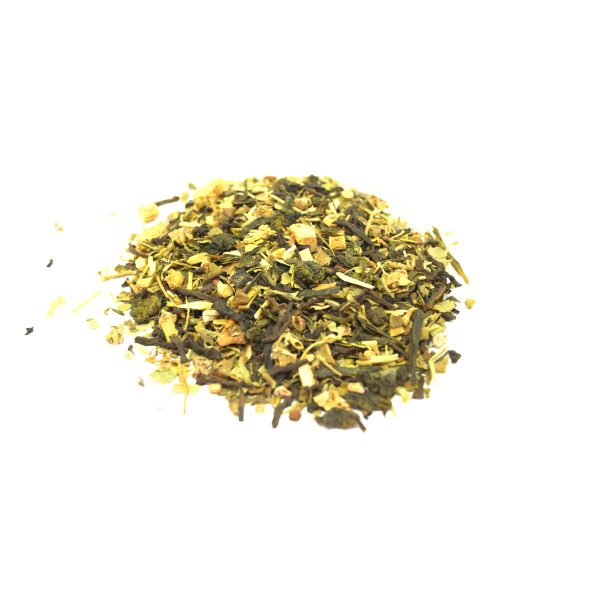
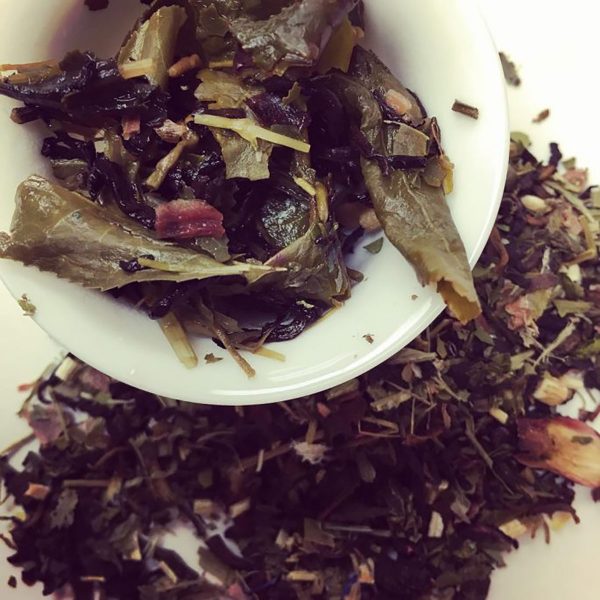
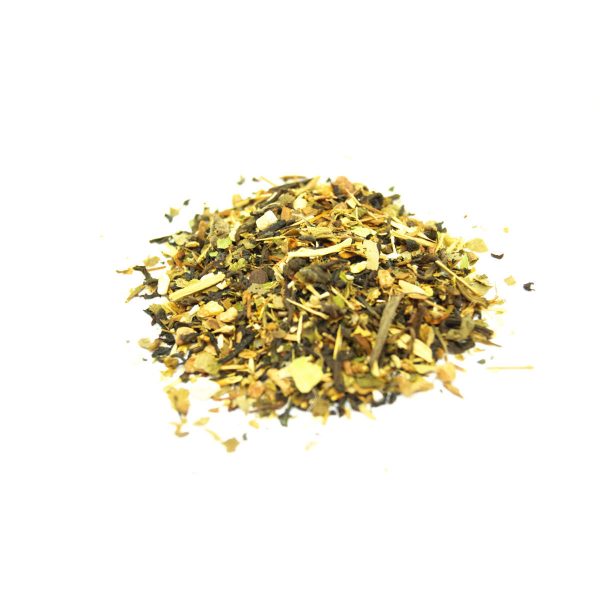
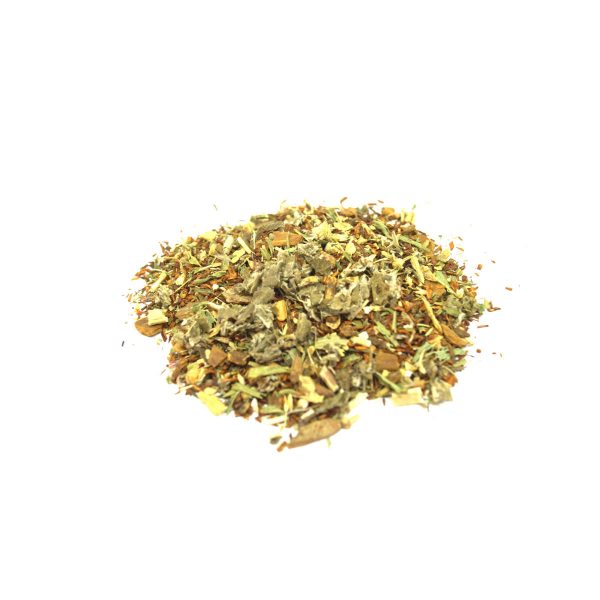
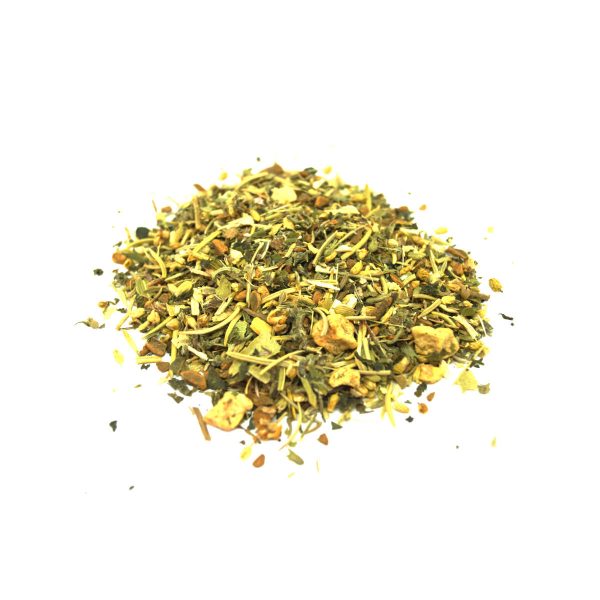
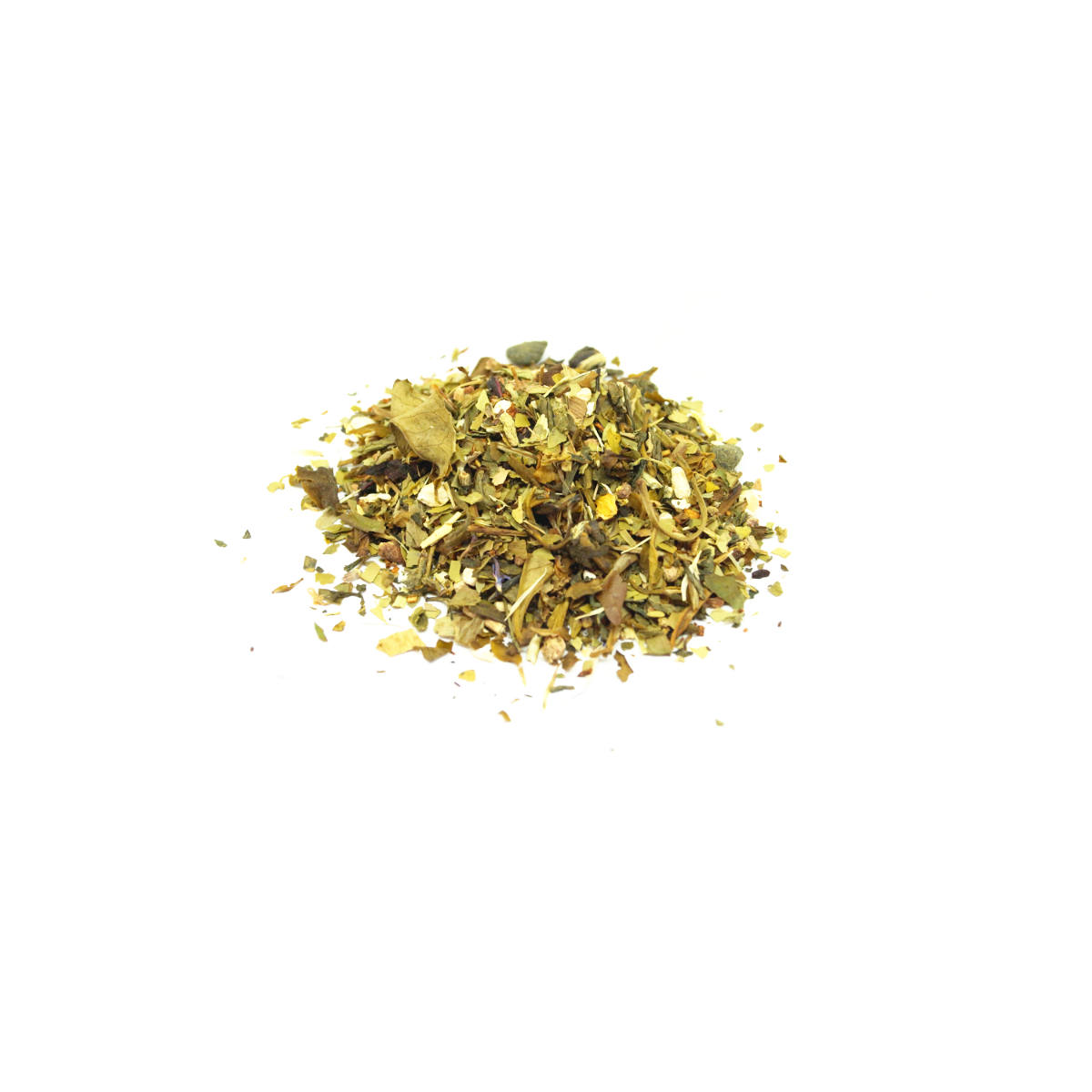
Ingredients: Steep Me Proprietary and Organic Blend of Chinese Dragon Eye Pearls ~ Tender Green Tea Leaves hand rolled and scented with Spring Jasmine Blossoms, Red Rooibos Tea from Cedarburg Province in South Africa, Tieguanyin Oolong Tea from Anxi in the Fujian province in China, Pai Mu Tan Chinese White Tea (Chinese White with 2 leaves), Green Yerba Mate – a holly plant called the Ilex Paraguariensis plant that is indigenous to South America with Rhodiola, Ginseng Root, Echinacea, Licorice Root, Nettles, Gotu Kola, Ashwagandha Root, Gingko Leaf, English Ivey and Mug wort
Alternatively, try our Muscle Recovery ~ Elasticity Micro~Nutrition Capsules OR Red Blood Cell Phyto~Nutrition Tea OR Muscle Recovery Phyto~Nutrition Tea OR Dill-Aid Pickle Brind RTD
Not Safe for Pregnancy
Not safe for Breastfeeding
NOTE: This/these claim(s) have/have not been evaluated by the Food and Drug Administration. The products offered by Steep Me Tea Apothecary -Franchisees – Wholesalers – Influencers or SteepMe.com are not intended to treat, cure, or prevent any illness or disease. If you have or suspect that you have a medical problem, consult with your physician for diagnosis or treatment. All gender specific blends are based on Gender Assigned at Birth. Use herbs as per instructions and always watch for any allergic reactions. You should always carefully read all product packaging and labels. Always consult your physician or health care provider before using any herbal products, especially if you have a medical problem. Steep Me Tea Apothecary and SteepMe.com and/or its proprietors assume no liability for any injury, illness or adverse effects caused by the misuse and/or use of the information or products presented
NOTE: When using Teas, Capsules, Tinctures and Micro-Nutrition to help with your ailment ~ please remember this is a marathon ~ we recommend an investment of time of at least 6 months to see positive change. Any gender specific blends are based on gender assigned at birth.
Why ingesting responsibly sourced herbs can really help with exercise recovery! https://www.runtothefinish.com/herbs-for-muscle-recovery/
Additional information
| Weight | N/A |
|---|---|
| Size | 1 oz sample bag, 1/2 # Bulk Bag, 4oz Sealed Bag |
Benefits