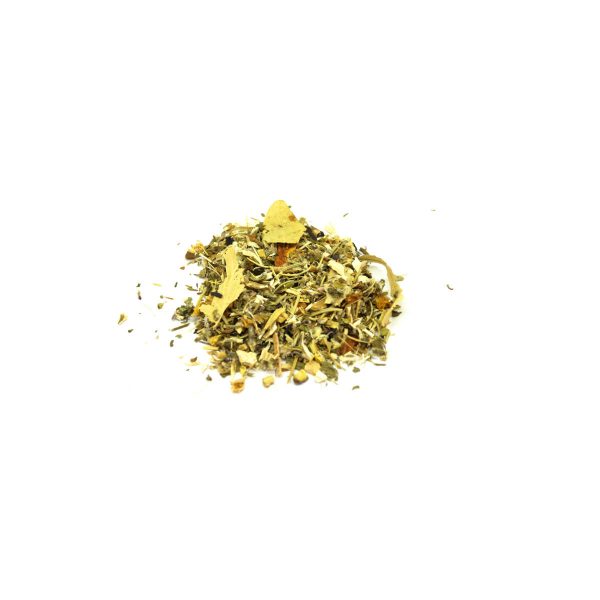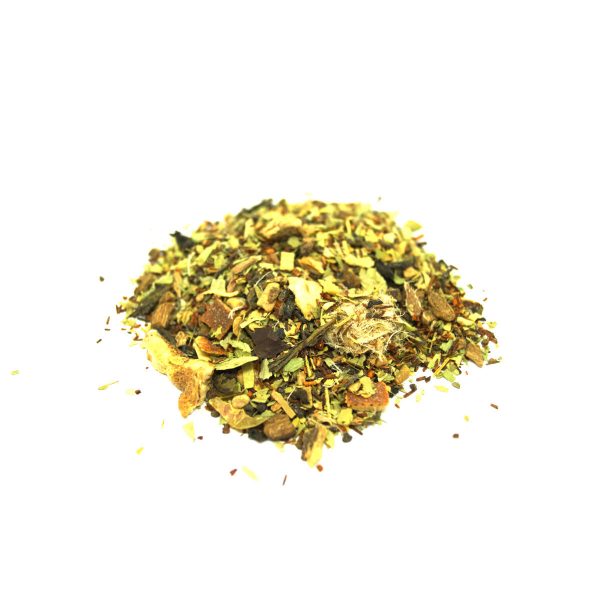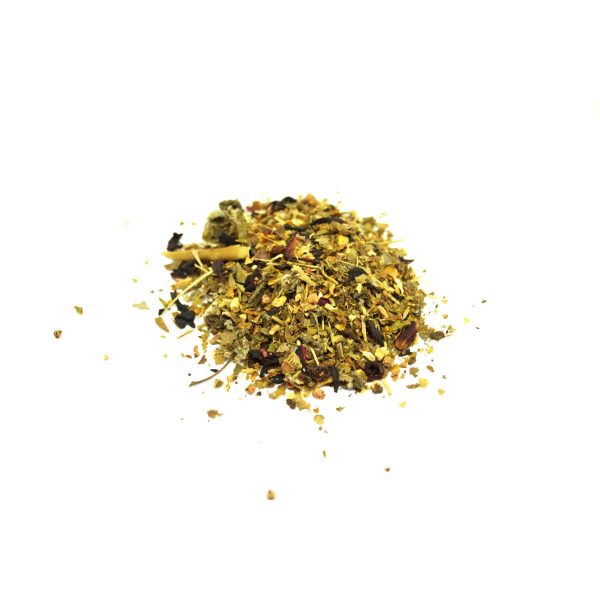
Chai 2 Mocha U
From: $14.00
Kidney ~ Bladder ~~ GRAS Certified Ingredients
From: $17.00
Kickin’ Cholesterol ~~ GRAS Certified Ingredients
From: $17.00
A great way to enjoy a heart healthy tea and lower your cholesterol!
Description
Blender’s Notes Kickin’ Cholesterol ~~ GRAS Certified Ingredients:
Steep Me Self-Help combinations are a fantastic way to get health benefits outside of the standard tea leaf. This combination of herbs was built to help reduce the build-up in your vessels while enhancing your digestive qualities and heart health. What is cholesterol? What does it do? Cholesterol is a waxy substance throughout the body. It is not “bad” unless you have too much of it. Your body needs it to build cells and make vitamins and other hormones. But too much cholesterol can pose a problem. Cholesterol comes from two sources. Your liver makes all the cholesterol you need. The remainder of the cholesterol in your body comes from foods from animals. For example, meat, poultry, and dairy products all contain dietary cholesterol. Those same foods can also be high in saturated and trans fats. These fats can increase the cholesterol in your body. For some people, this added cholesterol means they go from a normal cholesterol level to one that is unhealthy. Some tropical oils, such as palm oil, palm kernel oil and coconut oil, contain saturated fat that can increase bad cholesterol. These oils are often found in baked goods. Cholesterol circulates in the blood. As the amount of cholesterol in your blood increases, so does the risk to your health. High cholesterol contributes to a higher risk of cardiovascular diseases, such as heart disease and stroke. That is why it is important to have your cholesterol evaluated, so you can know your levels. The two types of cholesterol are: LDL cholesterol, which is bad, and HDL, which is good. Too much of the bad kind, or not enough of the good kind, increases the risk cholesterol will slowly build up in the inner walls of the arteries, such as those that feed the heart and brain. Cholesterol can join with other substances to form a thick, hard deposit on the inside of the arteries. This narrows the arteries and makes them less flexible – a condition known as atherosclerosis. This can lead to a blood clot forming, which can block one of these narrowed arteries causing a heart attack or stroke. What is Cholesterol? | American Heart Association
This blend is based on several highly prized teas. Sencha Green Tea, Wu-Yi Oolong Tea, Puerh Dark Tea, and African Red Rooibos. Sencha green tea is believed to promote heart health by reducing cholesterol levels, lowering blood pressure, and improving blood flow. The antioxidants in sencha tea, particularly catechins, are believed to be responsible for these benefits. Catechins slow down the accumulation of fat, which in turn removes bad cholesterol from the bloodstream, lowering the risk of developing cardiovascular diseases. Oolong tea has protective effects on heart health. It has been shown to lower total cholesterol, triglyceride, and LDL (“bad”) cholesterol levels. Oolong tea is rich in antioxidants, which may help reduce cholesterol levels and high blood pressure. Long-term consumption of oolong tea is associated with lower blood levels of total cholesterol, LDL cholesterol, and triglycerides. Pu-erh tea can help reduce cholesterol levels. It increases the excretion of dietary-fat-bound bile acid, which prevents fat from being absorbed into the bloodstream. Long-term ingestion of Pu-erh tea extract can significantly decrease levels of blood cholesterol. Rooibos tea, also known as red bush tea, has been linked to several health benefits, including potential positive effects on cholesterol levels. Rooibos can help improve the blood lipid profile, particularly for those at risk of heart disease. Specifically, it has been found to lower LDL (bad) cholesterol and increase HDL (good) cholesterol.
With the above tea, we also included Ginger, Cayenne, and Turmeric. Ginger has been shown to help lower LDL (“bad”) cholesterol, triglycerides, and total cholesterol, while sometimes improving HDL (“good”) cholesterol. Its bioactive compounds—gingerols, shogaols, and zingerone—work through antioxidant, anti-inflammatory, and lipid-regulating mechanisms that support cardiovascular health. Ginger reduces LDL cholesterol, triglycerides, and total cholesterol in people with obesity and metabolic conditions. It does this by inhibiting cholesterol synthesis in the liver, increases bile acid secretion, which helps eliminate cholesterol and enhances fat-metabolizing enzymes. Ginger has also shown modest increases in HDL cholesterol, improving the overall lipid profile. AT time, chronic inflammation contributes to atherosclerosis. Ginger’s phenolic compounds reduce inflammatory markers, lower cardiovascular risk, and lower systolic and diastolic blood pressure by relaxing blood vessels, like calcium channel blockers. In type 2 diabetes, ginger reduced fasting blood sugar and improved lipid profiles, and its antioxidant compounds help prevent plaque buildup in arteries. Cayenne pepper, through its active compound capsaicin, may help lower LDL (“bad”) cholesterol and triglycerides, while supporting overall heart health. The heat in cayenne comes from capsaicin, which interacts with TRPV1 receptors and triggers metabolic changes. For many with high-cholesterol, significant reductions in total cholesterol, LDL cholesterol, and triglycerides when supplemented with capsaicinoids. Capsaicin stimulates blood flow and may reduce arterial plaque buildup, and Cayenne Pepper shows vasodilation effects, lowering blood pressure and reducing systemic inflammation, a contributor to atherosclerosis. Turmeric, particularly its active compound curcumin, has been shown in multiple studies to modestly lower LDL (“bad”) cholesterol and triglycerides, while sometimes improving HDL (“good”) cholesterol. Turmeric/curcumin supplementation significantly reduced LDL cholesterol and triglyceride levels plus have shown improvements in total cholesterol, LDL, triglycerides, and HDL cholesterol. Curcumin reduces oxidative stress and inflammation, both of which contribute to arterial plaque buildup and high cholesterol. Combining curcumin with dietary phytosterols (found in nuts, seeds, legumes, and whole grains) enhanced cholesterol-lowering effects. We also added in Hawthorne. Hawthorn (Crataegus species) has been shown to help reduce total cholesterol, LDL (“bad”) cholesterol, and triglycerides, while sometimes improving HDL (“good”) cholesterol. Its effects are linked to antioxidant compounds, fiber (pectin), and flavonoids that support lipid metabolism and cardiovascular health. Hawthorn can lower total cholesterol and LDL cholesterol, reducing risk of plaque buildup in arteries and these decreases in triglycerides show improvement in lipid profiles. Hawthorn may modestly raise HDL cholesterol, contributing to a healthier balance. Hawthorne acts as antioxidants, reducing oxidative stress that contributes to atherosclerosis and it contains Pectin (fiber) which aids cholesterol metabolism by binding bile acids, promoting excretion. Hawthorne also enhanced fat metabolism. Hawthorn promotes vasodilation, helping relax blood vessels and lower blood pressure and improving cardiac output and reducing fatigue. It also reduces vascular inflammation, protecting against plaque buildup.
Next, we added Rosemary. Rosemary may help reduce cholesterol by lowering LDL (“bad”) cholesterol, raising HDL (“good”) cholesterol, and preventing LDL oxidation through its antioxidant compounds. Rosemary tea supports heart health and lipid metabolism. Rosemary contains carnosic acid and rosmarinic acid, potent antioxidants that help prevent the oxidation of LDL cholesterol, a key step in plaque formation. Rosemary in tea form has been linked to increased HDL cholesterol, which helps transport LDL cholesterol to the liver for disposal and reduced total cholesterol levels over four weeks. Rosemary neutralizes free radicals, reduces oxidative stress, supports liver function, enhancing cholesterol metabolism and clearance and inhibits intestinal cholesterol absorption and promotes excretion. Rosemary tea may relax blood vessels, improve circulation, reduce vascular inflammation, lower risk of atherosclerosis and reduce heart disease risk. Lemongrass (Cymbopogon citratus) was also included because it has been studied for its ability to lower cholesterol, particularly LDL (“bad”) cholesterol and triglycerides, while supporting overall cardiovascular health. Its bioactive compounds—citral, flavonoids, and polyphenols—play key roles in lipid metabolism and antioxidant protection. Lemongrass tea or extracts can lower LDL cholesterol and triglycerides, improving lipid profiles. Lemongrass has been linked to reductions in total cholesterol, especially in individuals with hyperlipidemia and it may help maintain or slightly increase HDL cholesterol, balancing the lipid ratio. Lemongrass has Citral which enhances fat metabolism and reduces cholesterol synthesis in the liver. The flavonoids & polyphenols in Lemongrass function as antioxidants, preventing LDL oxidation (a key step in plaque formation). It also reduces blood pressure and fluid retention, indirectly supporting cardiovascular health. Lemongrass tea has mild vasodilatory and diuretic effects, helping lower blood pressure, it reduces systemic inflammation, lowering risk of atherosclerosis and prevents oxidative damage to blood vessels and lipids. Red clover (Trifolium pratense) because it has been studied for its potential to improve cholesterol levels, particularly in postmenopausal women, due to its high content of isoflavones (plant-based phytoestrogens). These compounds mimic estrogen activity and may positively influence lipid metabolism. Red clover isoflavones can modestly lower LDL cholesterol and total cholesterol, especially in women after menopause and some increases in HDL cholesterol, improving the overall lipid profile. In Red Clover, the Isoflavones bind to estrogen receptors, influencing liver enzymes that regulate cholesterol metabolism and its antioxidant activity reduces LDL oxidation, lowering risk of plaque buildup which improves vascular elasticity, indirectly supporting cardiovascular health. Red clover may improve arterial flexibility, reducing stiffness, isoflavones also support bone density and reduce menopausal symptoms, indirectly benefiting cardiovascular health and reduces systemic inflammation, lowering risk of atherosclerosis. Rhodiola (Rhodiola rosea), was included because it is best known as an adaptogen for stress and fatigue, also shows promising effects on cholesterol and lipid metabolism. Rhodiola may lower total cholesterol and LDL cholesterol, by modulating liver enzymes involved in lipid metabolism and rhodiola reduces serum triglycerides, improving overall lipid balance. By reducing stress hormones (cortisol), rhodiola indirectly supports healthier lipid metabolism. Compounds like rosavins and salidroside protect against LDL oxidation, reducing risk of plaque buildup and Rhodiola enhances fat metabolism and cholesterol clearance. Chronic stress worsens cholesterol and cardiovascular risk; rhodiola helps regulate stress response. Rhodiola shows improved glucose metabolism, indirectly benefiting lipid balance and by improving energy and reducing oxidative stress, rhodiola supports overall cardiovascular resilience.
We also included Cacao Nibs. Cacao nibs can help improve cholesterol by raising HDL (“good”) cholesterol and protecting LDL (“bad”) cholesterol from oxidation, thanks to their rich polyphenol and flavonoid content. These compounds support heart health by reducing oxidative stress, inflammation, and improving lipid metabolism Theobromine, a natural alkaloid in cacao, has been shown in clinical trials to raise HDL cholesterol, which helps remove LDL from the bloodstream. Polyphenols in cacao nibs prevent LDL oxidation, a critical step in plaque formation and atherosclerosis. Flavonoids modulate how the body processes fats, supporting healthier cholesterol balance. Cacao products rich in polyphenols are linked to lower risk of cardiovascular events Polyphenols in cacao help relax blood vessels, lower blood pressure, reduce systemic inflammation, lowering risk of atherosclerosis and able to improve insulin sensitivity, indirectly benefiting lipid metabolism. Astragalus (Astragalus membranaceus) was also included, it is a traditional Chinese medicinal herb, has been studied for its cardiovascular benefits, including modest cholesterol-lowering effects. Its bioactive compounds—saponins, flavonoids, and polysaccharides—support lipid metabolism, antioxidant defense, and vascular health. Astragalus can lower total cholesterol and LDL cholesterol, reduce risk of plaque buildup, and show decreases in serum triglycerides, improving overall lipid balance. Astragalus may help maintain or slightly increase HDL cholesterol, enhancing lipid transport and clearance. Saponins in Astralagus inhibit cholesterol absorption in the intestines and promote bile acid excretion. Flavonoids function as antioxidants, preventing LDL oxidation (a key step in atherosclerosis). Polysaccharides support liver function, enhancing cholesterol metabolism and anti-inflammatory effects reduce vascular inflammation, lowering cardiovascular risk. Astragalus may improve circulation and reduce arterial stiffness, used to strengthen heart qi, supporting cardiac output and improved glucose metabolism, indirectly benefiting lipid balance. Bilberry leaf because it may help lower cholesterol by reducing LDL (“bad”) cholesterol, total cholesterol, and triglycerides, while protecting against LDL oxidation. Its effects are linked to antioxidant compounds (anthocyanins, tannins, flavonoids) and modulation of blood sugar and circulation. Bilberry extracts can lower total cholesterol, LDL cholesterol, and triglycerides, while sometimes raising HDL cholesterol. The anthocyanins in bilberry inhibit oxidation of LDL cholesterol, a critical step in plaque formation and atherosclerosis and improve vascular elasticity and circulation, indirectly supporting cholesterol management. Bilberry leaf may also lower blood sugar, which is important since metabolic syndrome often involves both high cholesterol and glucose dysregulation. Anthocyanins reduce systemic inflammation, lowering risk of atherosclerosis for improved circulation and reduced clot risk. Plus, the benefits of Bilberry extend to blood sugar regulation, which complements cholesterol management. Elderflower (Sambucus nigra) was added because it may help reduce cholesterol by lowering LDL (“bad”) cholesterol and protecting against oxidative damage, thanks to its rich antioxidant profile. While evidence is less extensive than for herbs like hawthorn or turmeric, (which are in the blend) traditional use suggests elderflowers can support cardiovascular health. Elderflower contains flavonoids (quercetin, rutin) and phenolic acids, which function as antioxidants and may reduce LDL cholesterol levels. By preventing LDL cholesterol oxidation, elderflowers help reduce plaque formation in arteries, lowering risk of atherosclerosis. Elderflower tea has long been used in folk medicine for detoxification and circulation support, indirectly aiding cholesterol balance. Elderflower is included among medicinal flowers recognized for flushing out LDL cholesterol naturally and reducing systemic inflammation, which contributes to high cholesterol and vascular damage. Elderflowers may stimulate insulin secretion, indirectly supporting lipid metabolism and its vasodilatory and diuretic properties may help improve blood flow and reduce blood pressure.
Next is Holy Bails. Holy basil (Ocimum sanctum, also called Tulsi) has been studied for its cardiovascular benefits, including modest cholesterol-lowering effects. Its bioactive compounds—eugenol, ursolic acid, and flavonoids—support lipid metabolism, antioxidant defense, and vascular health. Holy basil extracts can lower total cholesterol and LDL cholesterol, reduce risk of plaque buildup, and decrease in serum triglycerides, improving overall lipid balance. Holy Basil may help maintain or slightly increase HDL cholesterol, enhancing lipid transport and clearance. Eugenol acts as an antioxidant, protecting LDL cholesterol from oxidation (a key step in atherosclerosis). Ursolic acid & flavonoids modulate liver enzymes, improving cholesterol metabolism. Anti-inflammatory effects reduce vascular inflammation, lower cardiovascular risk and adaptogenic regulation of stress hormones indirectly support healthier lipid metabolism. Holy Basil may promote vasodilation, improving circulation, it helps regulate glucose metabolism, indirectly benefiting lipid balance and Holy Basil lowers cortisol, which can otherwise worsen cholesterol and cardiovascular risk. Fenugreek (Trigonella foenum-graecum) has well-documented benefits for cholesterol management, particularly in lowering LDL (“bad”) cholesterol and triglycerides, while sometimes raising HDL (“good”) cholesterol. Its effects are linked to soluble fiber, saponins, and antioxidant compounds that influence lipid metabolism. Fenugreek can significantly lower total cholesterol and LDL cholesterol in people with hyperlipidemia and it reduces serum triglycerides, improving overall lipid balance. Fenugreek contains saponins which reduce intestinal absorption of cholesterol, and it has polyphenols & flavonoids which function as antioxidants, preventing LDL oxidation. Fenugreek acts as blood sugar regulation which improves lipid metabolism since insulin resistance often worsens cholesterol levels. Fenugreek improves insulin sensitivity and lowers fasting blood glucose, complementing cholesterol management, reduces vascular inflammation, lowering risk of atherosclerosis and promotes satiety, indirectly supporting lipid control.
~~This product has been officially lab tested and meets the requirements for GRAS (General Regarded as Safe) Testing ~ a designation directed by the FDA for food and supplements. Public Health Microbiology Foundation evaluated it, and they officially consider this product a “non-TCS commodity” and is safe as a human food product & human dietary supplement~~
NOTE: “This/these claim(s) has/have not been evaluated by the Food and Drug Administration. This product is not intended to diagnose, treat, cure or prevent any disease.”
Features Kickin’ Cholesterol ~~ GRAS Certified Ingredients:
- Leaves can be infused all day! (They will not get bitter)
- Lots of individual flavor based on the ingredients
- All Wildcrafted Herbs
- All Organic where Wildcrafted is not available
- Rich and Spicy – Lots of Flavor
- Light Colour Cup of Tea
- Full of natural antioxidants and Low in Tannins and Very Hydrating
- Sample Size ~ 1 oz will make 8-10 16 oz teas
- Sealed Bag ~ 4 oz will make 32-40 16 oz teas
- Iced Tea ~ Always Double the amount of Tea for the same size cup!
- Per Serving ~ 1 tsp per 6 oz of H2O
- Recommend 3 tsp Per Day – re-steep leaves 2-3 times
- Caffeine: Low
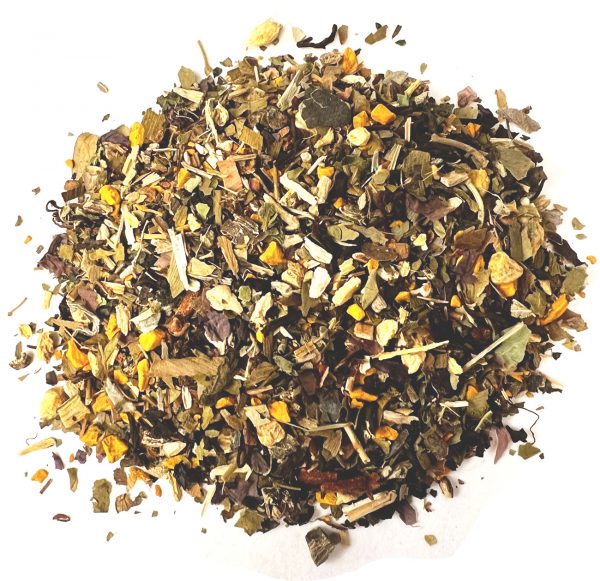
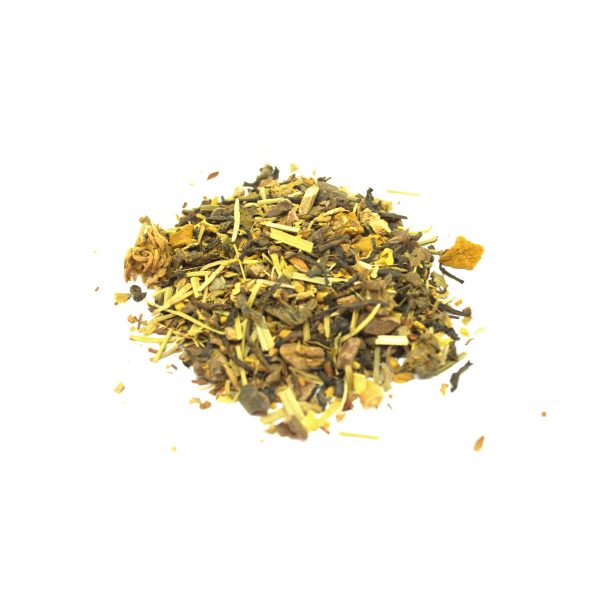
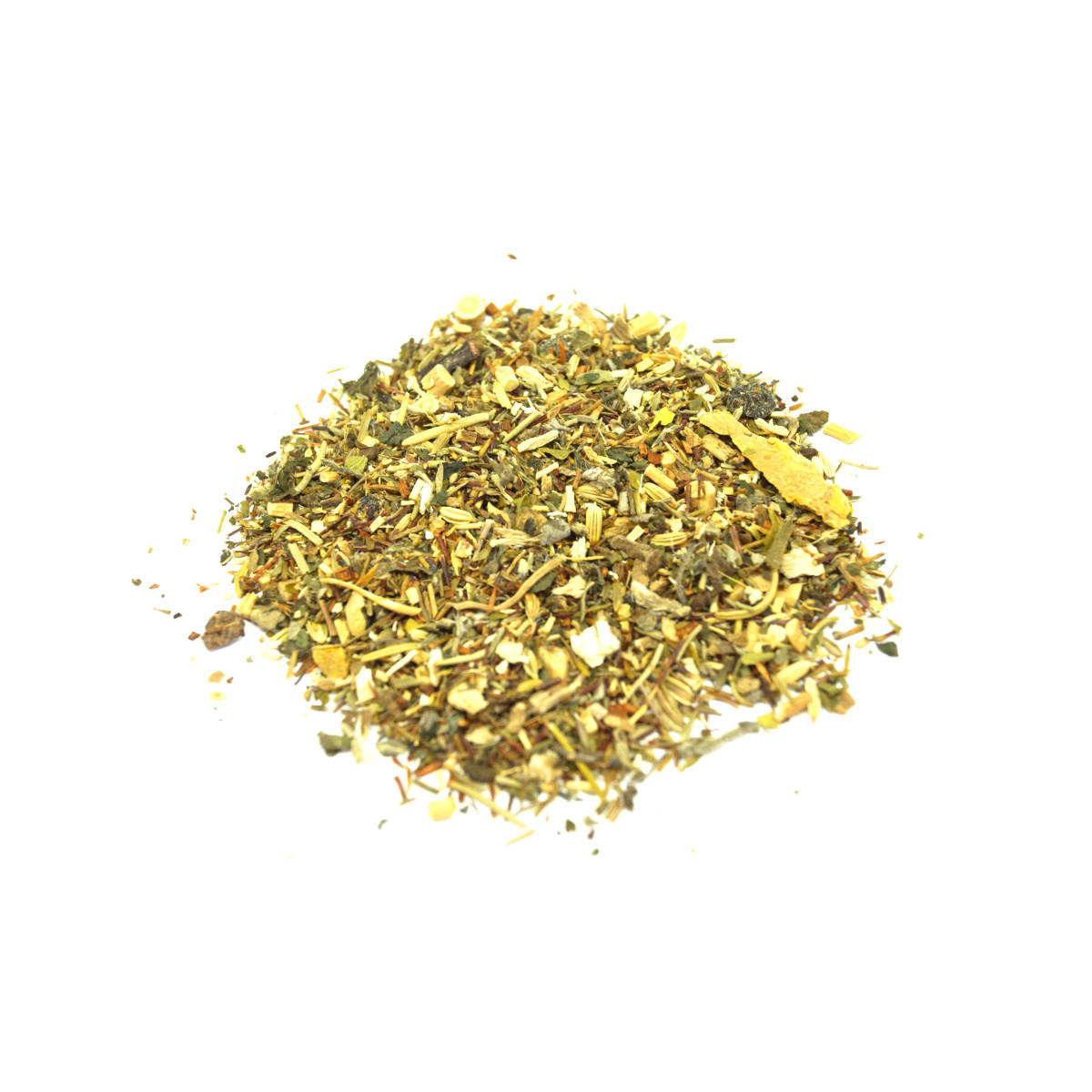
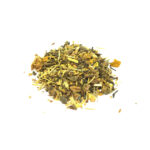
Ingredients: Steep Me Proprietary Organic and Wildcrafted Blend of Sencha Green Tea from China, Wu Yi Rock Oolong from China, Dark Tea from Yunnan Province in China, Red Rooibos Tea from Cedarburg Province in South Africa with Ginger Root, Cayenne Pepper (160,000), Turmeric Root, Hawthorne Leaf, Rosemary, Lemongrass, Red Clover Flowers, Rhodiola Root, Cacao Nibs, Dark Chocolate 72% Cacao Mini Chips, Astralagus Root, Bilberry Leaf, Elderflower, Holy Basil and Fenugreek Seed.
Alternatively, try our Kick’in Cholesterol Phyto~Nutrition Capsules OR Swamp Man Phyto~Nutrition Tea OR Heart Health Phyto~Nutrition Tea OR Heart ~ Vascular Health Micro~Nutrition Capsules
CONTAINS: MILK
Not Safe for Pregnancy
Not Safe for Breastfeeding
NOTE: These claim(s) have/have not been evaluated by the Food and Drug Administration. The products offered by Steep Me Tea Apothecary -Franchisees – Wholesalers – Influencers or SteepMe.com are not intended to treat, cure, or prevent any illness or disease. If you have or suspect that you have a medical problem, consult with your physician for diagnosis or treatment. All gender specific blends are based on Gender Assigned at Birth. Use herbs as per instructions and always watch for any allergic reactions. You should always carefully read all product packaging and labels. Always consult your physician or health care provider before using any herbal products, especially if you have a medical problem. Steep Me Tea Apothecary and SteepMe.com and/or its proprietors assume no liability for any injury, illness or adverse effects caused by the misuse and/or use of the information or products presented
NOTE: When using Teas, Capsules, Tinctures and Micro-Nutrition to help with your ailment ~ please remember this is a marathon ~ we recommend an investment of time of at least 6 months to see positive change. Any gender specific blends are based on gender assigned at birth.
“Processed in a facility that also processes food containing milk, egg, fish, peanut, shellfish, soy, tree nuts, wheat, and sesame. May contain traces of milk, egg, fish, peanut, shellfish, soy, tree nuts, wheat, and sesame.”
Additional information
| Weight | N/A |
|---|---|
| Size | 1 oz sample bag, 1/2 # Bulk Bag, 4oz Sealed Bag |