
SIBO ~ Hydrogen & Methane (Small Intestinal Bacterial Overgrowth)
From: $16.00
With the blend we are working on helping with Small intestinal bacterial overgrowth (SIBO) that occurs when there is an abnormal increase in the overall bacterial population in the small intestine — particularly types of bacteria not commonly found in that part of the digestive tract.
Description
Blender’s Notes SIBO ~ Hydrogen & Methane:
With the blend, we are helping with Small intestinal bacterial overgrowth (SIBO) that occurs when there is an abnormal increase in the overall bacterial population in the small intestine — particularly types of bacteria not commonly found in that part of the digestive tract. Small intestinal bacterial overgrowth (SIBO) commonly results when a circumstance — such as surgery or disease — slows the passage of food and waste products through the digestive tract, creating a breeding ground for bacteria. Excessive bacteria often cause diarrhea and may lead to weight loss and malnutrition. Patients with bacterial overgrowth typically develop symptoms that may include nausea, bloating, vomiting, diarrhea, malnutrition, weight loss, and malabsorption, which result from several mechanisms. A breath test is a common test for diagnosing SIBO. Excessive bacteria in the small intestine can lead to the release of hydrogen and methane, which a breath test can detect. Most of the herbs we have included in this blend are antimicrobial and will be in both versions, which will function as an antibiotic alternative to prescription options. Then we added extra herbs to each recipe individually to address specific gases and help reduce symptoms, putting you on the road to recovery. This blend is about removing and repairing the system. Often, the repair phase of healing is missing, leading to long-term issues.
In this blend, we started with a base recipe for reducing the problem bacteria in the system. These herbs are necessary and are included in both blends for Hydrogen & Methane. This base begins with garlic. Garlic is best known for allicin, a natural compound released when garlic is responsibly managed. Allicin helps fight harmful bacteria by interfering with the basic functions they need to survive and grow. This makes garlic especially relevant for SIBO, where excessive bacteria or methane-producing organisms accumulate in the small intestine and contribute to bloating, pain, and digestive upset. Garlic supports immune defenses by helping activate natural killer cells and macrophages, which are part of the body’s first response to infection. By reducing harmful bacterial activity, garlic may also help lower inflammation in the gut and support overall immune and digestive health. Next, we add in Thyme. Thyme is a strong antibacterial herb because it contains two key natural compounds, thymol and carvacrol. These compounds help fight harmful bacteria by weakening their outer walls and interfering with their growth and multiplication. This makes thyme useful for SIBO because it may help reduce the accumulation of bacteria in the small intestine, which can contribute to bloating, discomfort, and digestive imbalance. Thyme may also help break down biofilms, which are protective layers bacteria use to hide from treatment. In addition, thyme has antifungal activity against organisms such as Candida, helps calm inflammation, and supports the immune system, making it a helpful herb for both reducing overgrowth and supporting gut recovery. Tribulus terrestris, also known as puncture vine or Gokshura, was included because it is traditionally used to support digestion, urinary health, and overall vitality. Its natural compounds, including saponins, flavonoids, and polyphenols, may help fight harmful bacteria and fungi by weakening their outer defenses and making it harder for them to grow or form protective biofilms. This may be helpful in SIBO because bacterial overgrowth can involve stubborn bacteria and sometimes fungal organisms like Candida. Tribulus and its antibacterial, antifungal, anti-inflammatory, and immune-supportive properties may help support gut balance and recovery after overgrowth. We also added Rainbow Peppercorns. Rainbow Peppercorns (Piper nigrum) contain piperine, the natural compound that gives pepper its sharp taste. Piperine may help fight harmful bacteria by weakening their outer walls, blocking some of their defense systems, and making it harder for them to form protective biofilms. This may be helpful in SIBO, as stubborn bacteria can form biofilms and employ resistance mechanisms to survive treatment. Peppercorns may also help the body absorb other herbs and nutrients better. In addition, piperine supports immune function, helps reduce inflammation, and may promote a healthier gut environment, making peppercorns a helpful companion herb for SIBO and digestive support. Ginger was also included. Ginger root (Zingiber officinale) is helpful for SIBO because it supports both bacterial balance and healthy gut movement. Its natural compounds, including gingerols and shogaols, may help fight harmful bacteria and fungi by weakening them and making it harder for them to grow or form protective biofilms. Ginger is especially useful because it also supports the migrating motor complex, the natural “cleaning wave” that helps move bacteria out of the small intestine between meals. When this movement is slow, bacteria can build up, and SIBO is more likely to return. Ginger may also help reduce bloating and digestive discomfort, calm gut inflammation, support immune activity, and is usually well tolerated in standard amounts because it is low-FODMAP.
Next is Sage. Sage (Salvia officinalis) is an herb with natural antibacterial, antifungal, and anti-inflammatory properties. Its compounds, including rosmarinic acid, thujone, camphor, flavonoids, and phenolic acids, may help fight harmful bacteria and fungi by weakening their outer defenses and interfering with their growth. Sage can support a healthier balance of gut bacteria by discouraging harmful organisms while encouraging beneficial bacteria such as Bifidobacteria and Lactobacillus. Sage may also help calm gut inflammation, support immune function, and protect the gut lining after bacterial overgrowth has irritated it. Because of these combined effects, Sage may be useful for both reducing microbial imbalance and supporting overall gut recovery. Turmeric (Curcuma longa) was added because it is best known for curcumin, the natural compound that gives it its strong anti-inflammatory and antibacterial benefits. Curcumin may help fight harmful bacteria by weakening their outer walls, slowing their growth, and making it harder for them to form protective biofilms. This is important for SIBO because biofilms can help bacteria hide and survive, making overgrowth more likely to return. Turmeric may also help calm gut inflammation, support repair of the gut lining, encourage a healthier balance of beneficial bacteria, and reduce overgrowth while supporting gut recovery. We included Echinacea. Echinacea (Echinacea purpurea, angustifolia, and pallida) is best known for supporting the immune system, but it also has antibacterial and anti-inflammatory benefits. Its natural compounds help the body fight harmful bacteria and fungi while also strengthening immune cells, such as macrophages and natural killer cells, which help detect and eliminate unwanted organisms. Bacterial overgrowth can irritate the gut lining and trigger inflammation. Echinacea may support recovery by calming this inflammation, helping restore a healthier gut balance, and strengthening the gut’s protective barrier. Echinacea may be useful alongside other herbs that directly target bacterial overgrowth. Goldenseal was also added. Goldenseal (Hydrastis canadensis) is a potent antibacterial herb best known for its berberine content, along with other natural compounds such as hydrastine and canadine. These compounds help fight harmful bacteria by weakening their outer defenses, slowing their growth, and making it harder for them to attach to the gut lining. Goldenseal may be especially useful for SIBO because much of its berberine stays in the gut, where it can directly target bacterial overgrowth. It may also help against organisms such as H. pylori, E. coli, Candida, and Giardia, while supporting the immune system and calming inflammation in the gut. Goldenseal may help reduce harmful microbes and support recovery from gut irritation. Cloves (Syzygium aromaticum) were added. They are a strong antibacterial herb because they contain eugenol, the natural compound that gives cloves their warm, spicy smell. Eugenol may help fight harmful bacteria by weakening their outer walls, interfering with their energy production, and making it harder for them to form biofilms or mount resistance. This may be helpful because biofilms can allow bacteria to hide from the immune system and make overgrowth harder to clear. Cloves may also help against difficult bacteria such as E. coli, Staphylococcus aureus, and Klebsiella, while also calming inflammation and reducing excessive immune irritation in the gut. Because of these effects, cloves may support both the control of bacterial overgrowth and gut recovery.
Next is Oregano. Oregano (Origanum vulgare) is one of the most used herbs to support SIBO because it contains carvacrol and thymol, two potent natural antibacterial compounds. These compounds may help fight harmful bacteria by weakening their outer walls, disrupting their energy production, and making it harder for them to form biofilms or mount resistance. This may be helpful for SIBO because stubborn bacteria can hide in biofilms and survive treatment more easily. Oregano may also help calm inflammation, reduce oxidative stress, and support a healthier gut environment, making it useful for both reducing bacterial overgrowth and supporting recovery after gut irritation. We also included Licorice Root. Licorice root (Glycyrrhiza glabra) is a traditional herb known for supporting both the immune system and the gut lining. Its natural compounds glycyrrhetinic acid, flavonoids, and polysaccharides may help fight harmful bacteria by weakening their defenses, slowing their growth, and making it harder for them to form biofilms or resist treatment. Bacterial overgrowth can damage and irritate the gut lining. Licorice root is especially useful because it may not only help reduce harmful microbes, but also soothe inflammation, strengthen the gut barrier, and support repair after irritation. Because of these combined effects, licorice root may support both bacterial balance and gut recovery. Next is Myrrh. Myrrh (Commiphora myrrha) is a resin that has been used for thousands of years to support the body during infections and inflammation. Its natural compounds may help fight harmful bacteria by weakening their protective layers, disrupting biofilms, and interfering with how bacteria communicate and organize. This may be helpful for SIBO because biofilms and bacterial “teamwork” can make overgrowth harder to clear and more likely to return. Myrrh may also help calm gut inflammation, support the immune system, and encourage the body’s natural ability to clear unwanted organisms. Because of these combined effects, myrrh may help reduce stubborn bacterial overgrowth and support the gut’s recovery after irritation. Eucalyptus (Eucalyptus globulus) was added because it is best known for eucalyptol, also called 1,8-cineole, the natural compound that gives it its cool, refreshing scent. Eucalyptol may help fight harmful bacteria by weakening their outer walls, slowing their growth, and making it harder for them to form protective biofilms, which can allow bacteria to hide and survive, making overgrowth harder to clear. Eucalyptus may also support a healthier gut environment by calming inflammation, reducing oxidative stress, and encouraging a better balance of beneficial bacteria. Because it combines antibacterial, anti-biofilm, anti-inflammatory, and antioxidant support, eucalyptus may help reduce bacterial overgrowth and support gut recovery. Yarrow (Achillea millefolium) is a traditional herb long used for wounds, infection support, and inflammation. Its natural compounds help fight harmful bacteria by weakening their outer walls, slowing their growth, and making it harder for them to organize into protective biofilms. This may be helpful because biofilms and gut irritation can make bacterial overgrowth harder to clear. Yarrow may also support gut healing by calming inflammation, helping protect the gut lining, and reducing the “leaky gut” effect that can happen when the intestinal barrier becomes irritated. In addition, its immune-supportive and anti-inflammatory properties may help the body recover after bacterial overgrowth and reduce overall inflammatory stress. Finally, we added Pau D’Arco. Pau d’Arco (Tabebuia impetiginosa, also known as lapacho or taheebo) is a rainforest tree from the Amazon whose inner bark has long been used to support the body during infection, inflammation, and digestive upset. Its main active compounds, lapachol and beta-lapachone, help fight harmful bacteria and fungi by weakening their ability to grow, make energy, and protect themselves. This is helpful because some bacteria form protective layers called biofilms or use defense systems that make them harder to remove. Pau d’Arco may help break down those defenses while also supporting the body against organisms such as Candida, H. pylori, Staphylococcus, and other difficult bacteria. It may also help calm gut irritation, support immune function, and provide antioxidant support, making it a useful herb for both addressing overgrowth and supporting recovery after inflammation.
The following section will describe the Hydrogen and Methane Blends. The above ingredients form the basis of the tea, along with the specific herbs that pertain to the intended diagnosis of Hydrogen or Methane.
SIBO ~ Hydrogen
Hydrogen-dominant SIBO has its own distinct profile, and the five additional herbs chosen for this blend each play a specific role in addressing it. Elderflower (Sambucus nigra) opens the blend with a broad yet well-targeted set of actions — its compounds, including rutin, quercetin, naringenin, and chlorogenic acid, work together to fight harmful bacteria, calm irritation in the gut lining, and support a healthier microbial balance overall. For hydrogen-dominant SIBO specifically, quercetin and rutin appear to slow the activity of bacteria that produce excess hydrogen gas, thereby reducing bloating, pressure, and discomfort associated with hydrogen accumulation. Elderflower also provides antioxidant support and appears to encourage the growth of beneficial bacteria, making it useful not just for reducing hydrogen-related imbalance but for supporting the broader recovery process that follows. It is a gentler herb in character, but its contributions through multiple mechanisms make it a meaningful addition to the blend. Lady’s mantle (Alchemilla vulgaris) brings a more targeted antimicrobial approach, with its ellagitannins and flavonoids — particularly quercetin and luteolin — working to weaken the outer defenses of harmful bacteria, slow their growth, and disrupt the biofilms that allow them to resist treatment and persist in the gut. This is especially relevant for hydrogen-dominant SIBO, where certain bacterial populations are actively producing excess hydrogen gas as a byproduct of fermentation; by making those bacteria harder to sustain and easier to clear, lady’s mantle helps reduce the hydrogen fuel that drives symptoms. It also supports the growth of beneficial organisms like Bifidobacterium and Lactobacillus. It helps calm the gut inflammation that bacterial overgrowth typically leaves behind, making it effective for both the removal and recovery phases of treatment. Yellow dock (Rumex crispus) has a long history as a digestive bitter and a liver tonic, and its role here draws on both traditions. Its active compounds — emodin, anthraquinones, tannins, and flavonoids — have demonstrated antimicrobial and anti-inflammatory properties, and some of these appear to specifically inhibit the bacteria responsible for excess hydrogen production, which can otherwise continue to drive bloating, pressure, and gut discomfort long after initial treatment. Yellow dock also stimulates bile flow and supports liver detoxification, which matters because a sluggish liver and impaired bile production can compromise digestion and create conditions that favor bacterial overgrowth in the first place. By addressing microbial imbalance, gut lining repair, inflammation, and liver function simultaneously, yellow dock earns a broader role in this blend than its reputation as a simple digestive herb might suggest. Slippery elm (Ulmus rubra) shifts the focus away from microbial activity entirely and toward the state of the gut itself. When mixed with water, its mucilage forms a thick, gel-like coating along the intestinal wall that protects inflamed and damaged tissue from further irritation caused by toxins, bile, and the ongoing byproducts of abnormal fermentation. For hydrogen-dominant SIBO, where gas production and gut irritation often go hand in hand, this kind of tissue protection is genuinely useful — it creates a more stable environment in which healing can take place. At the same time, stronger antimicrobial herbs do their work. Slippery elm also gently feeds beneficial bacteria, supports short-chain fatty acid production, and appears to make it harder for harmful bacteria to attach to the gut wall, adding a quiet but important layer of microbial support alongside its primary role in gut repair. Marshmallow root (Althaea officinalis) completes the blend with a complementary action to slippery elm, while bringing its own distinct contribution. Like slippery elm, its mucilage coats and soothes the gut lining, reducing inflammation and easing the discomfort that comes with a weakened intestinal barrier — but marshmallow root also contains polysaccharides and phenolic compounds that have shown mild antimicrobial activity in their own right, along with antioxidant properties that help protect gut tissue during recovery. This dual action — soothing and lightly protective against harmful microbes — makes it well suited as a finishing herb in a blend where the primary antimicrobial work has already been laid out. Together, marshmallow root and slippery elm ensure that as bacterial populations are reduced, the gut lining is being actively supported and repaired rather than left to recover on its own. Used together, these five herbs address hydrogen-dominant SIBO from multiple directions — reducing bacterial activity and hydrogen production, protecting and repairing the gut lining, supporting beneficial microbes, and providing the digestive system with the conditions it needs to recover genuinely.
SIBO ~ Methane
Methane-dominant SIBO presents its own set of challenges, which is why five additional herbs have been chosen specifically to address it. Burdock root (Arctium lappa) works on the methane cycle at its source — its active compounds arctigenin and inulin help disrupt biofilms that protect harmful bacteria, support the growth of beneficial organisms like Bifidobacterium and Akkermansia, and reduce the hydrogen-producing bacteria that methane-producing archaea depend on for fuel. Arctigenin has also demonstrated anti-inflammatory properties and may help calm the gut lining irritated by ongoing bacterial activity. In contrast, inulin acts as a prebiotic that selectively feeds the beneficial bacteria needed to crowd out the harmful ones. Without an adequate hydrogen supply, methane production becomes much harder to sustain, making burdock root a meaningful first-line support for this type of SIBO. Slippery elm (Ulmus rubra) takes a different approach, focusing on the condition of the gut itself rather than the microbes living in it. When mixed with water, its mucilage forms a thick, gel-like coating along the intestinal wall that soothes inflamed and irritated tissue, shields the gut from bile irritation, toxins, and the byproducts of abnormal fermentation, and creates a more stable environment for healing. Slippery elm also gently feeds beneficial bacteria and supports short-chain fatty acid production, both of which contribute to a healthier microbial balance and help restore the kind of gut motility that methane tends to disrupt — since methane is known to slow intestinal movement and worsen constipation over time. Plantain (Plantago lanceolata) contributes in a more targeted way: its compounds, particularly aucubin and acteoside, appear to slow the rate at which methane-producing organisms can access hydrogen and redirect that hydrogen toward propionate production instead — a healthier fermentation pathway that diverts fuel away from methane-generating archaea. Its flavonoids and tannins provide further support by calming inflammation and protecting the gut lining, while its mucilage content helps soothe tissue irritated by ongoing fermentation. The combined effect is a meaningful reduction in the conditions that allow methane to keep building up, alongside broader support for microbial balance and gut recovery. Senna (Cassia senna) addresses what is often the most uncomfortable and persistent feature of methane-dominant SIBO — chronic constipation and significantly slowed gut transit. Methane itself is understood to slow intestinal movement, which in turn allows methane-producing organisms more time to accumulate and continue producing gas; senna’s active compounds, the sennosides, are converted by colonic bacteria into rhein anthrone, which stimulates strong propulsive contractions in the intestinal wall and draws water into the bowel to soften stool and encourage clearance. Beyond its effect on motility, senna also appears to reduce the abundance of certain hydrogen-producing bacteria, and its plant compounds offer additional anti-inflammatory and liver-supportive benefits, making it a more broadly useful herb than its reputation as a simple laxative might suggest. Breaking the cycle of slow transit is often a critical step in giving any SIBO treatment room to work. Elderflower (Sambucus nigra) rounds out the blend with two particularly well-researched compounds — rutin and quercetin — that research suggests may directly inhibit methane production rather than simply targeting the bacteria that support it. Methane-producing archaea are biologically distinct from bacteria and are notoriously difficult to address with standard antimicrobial herbs, which is what makes elderflower’s role here especially relevant. Rutin and quercetin appear to interfere with the enzymatic processes archaea use to generate methane. At the same time, quercetin has also been shown to reduce the abundance of hydrogen-producing bacteria that feed them. Elderflower’s additional compounds — including naringenin, chlorogenic acid, and luteolin — provide anti-inflammatory, antioxidant, and gut-recovery support that help stabilize the intestinal environment as microbial balance is restored. Used together, these five herbs work to reduce methane output, restore normal gut motility, protect and repair the gut lining, and support genuine, lasting recovery rather than just temporary symptom relief.
NOTE: “This/these claim(s) has/have not been evaluated by the Food and Drug Administration. This product is not intended to diagnose, treat, cure or prevent any disease.”
Features SIBO ~ Hydrogen & Methane (Small Intestinal Bacterial Overgrowth):
- Leaves can be infused all day! (They will not get bitter)
- Lots of individual flavor based on the ingredients.
- All Wildcrafted Herbs
- All Organic where Wildcrafted is not available.
- Full of natural antioxidants and Very Hydrating
- Sample Size ~ 1 oz will make 8-10 ~ 16 oz teas.
- Bag Size ~ 4 oz will make 32-40 ~ 16oz teas
- Iced Tea ~ Always Double the amount of Tea for the same size cup!
- Per Serving ~ 1 tsp per 6 oz of H2O
- Recommend 3 tsp Per Day – re steep leaves 2-3 times.
- Caffeine: None
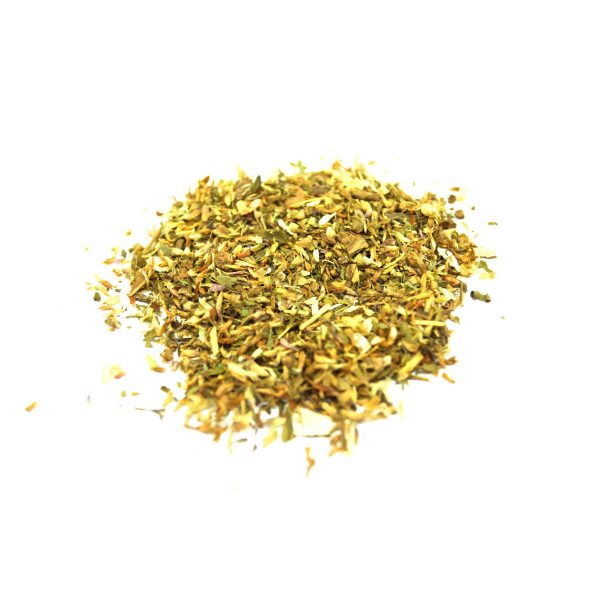
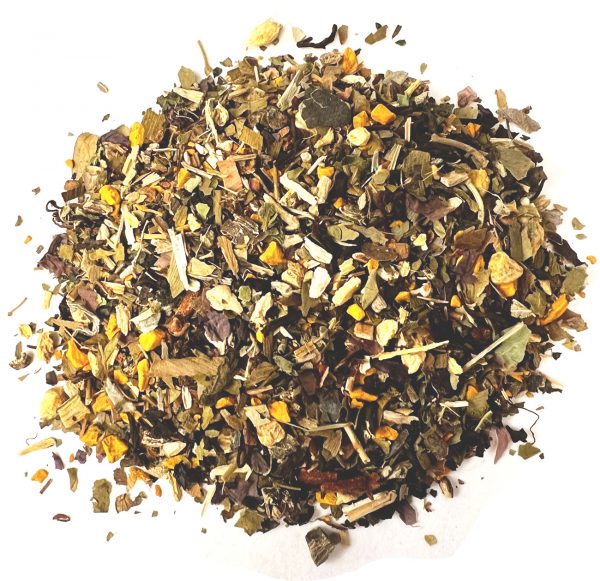
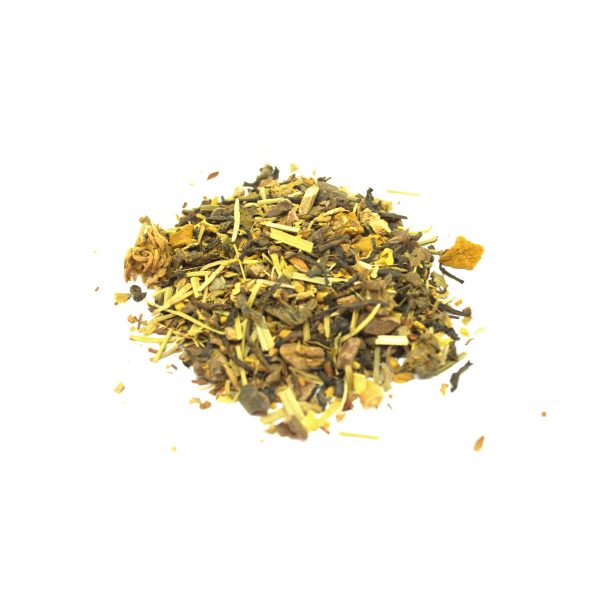
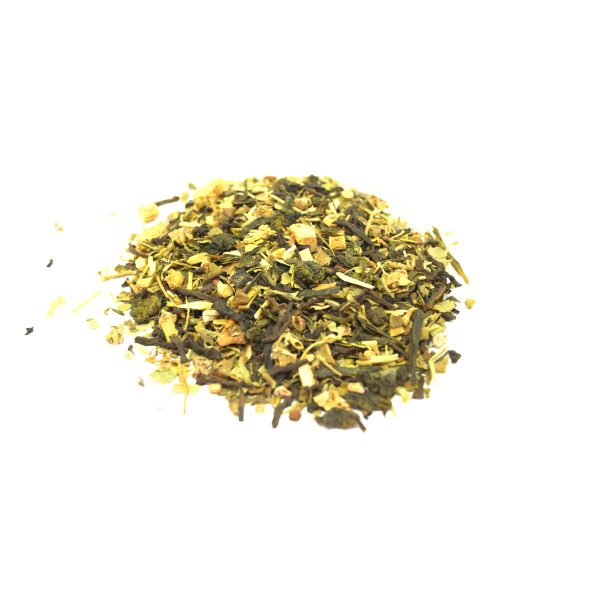
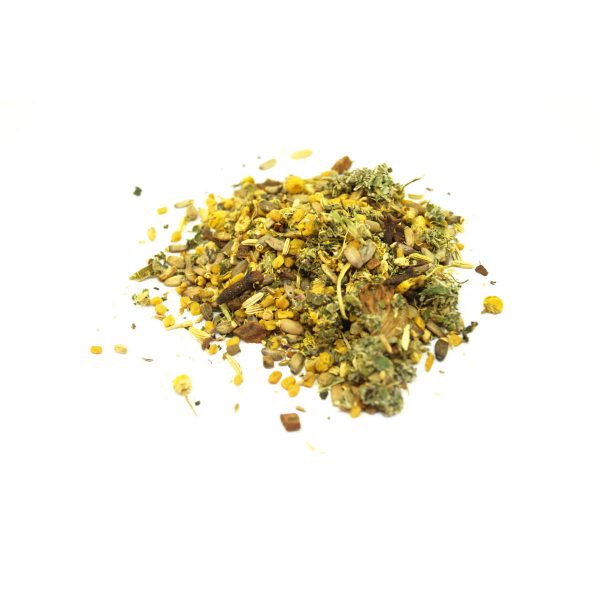
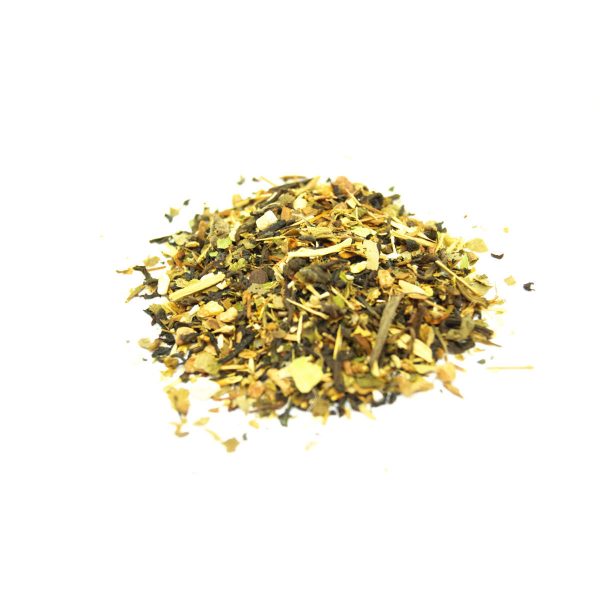
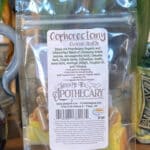
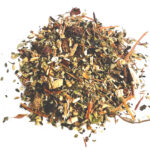
Ingredients SIBO ~ Hydrogen: Steep Me Proprietary Organic and Wildcrafted Blend of Garlic (1% Allicin), Thyme Leaf, Tribulus, Rainbow Peppercorns, Ginger Root, Sage Leaf, Turmeric Root, Echinacea Leaf, Goldenseal, Rubbed Cloves, Oregano Leaf, Licorice Root, Myrrh Resin, Eucalyptus, Yarrow Flowers, Pau D’Arco, Elderflowers, Lady Mantle, Yellow Dock Root, Slippery Elm Bark and Marshmallow Root
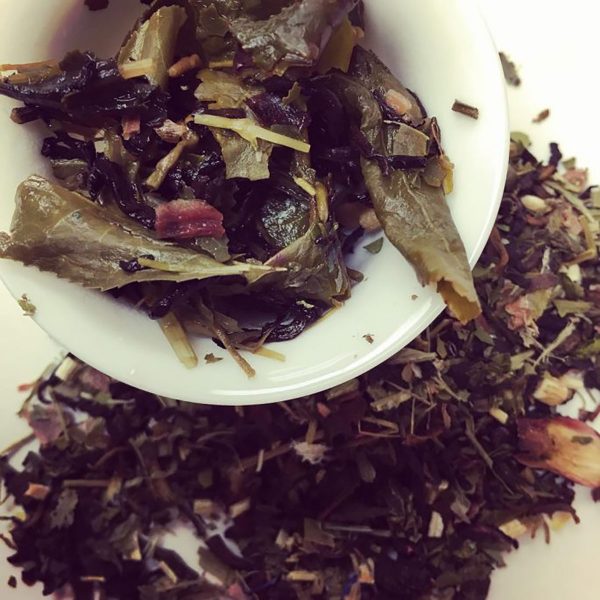
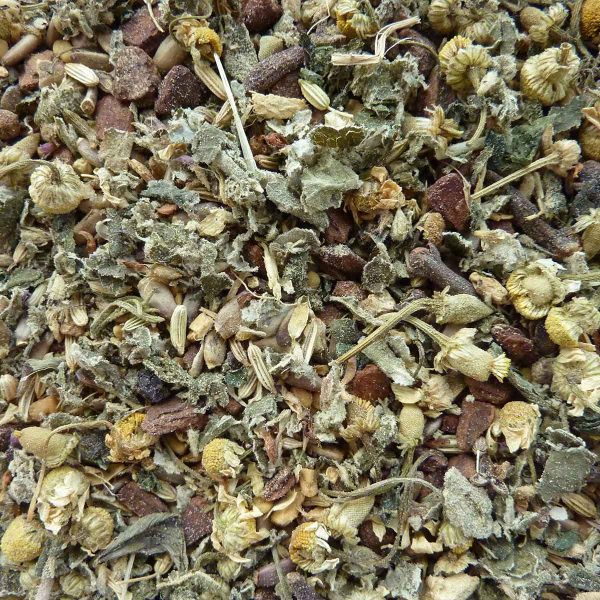
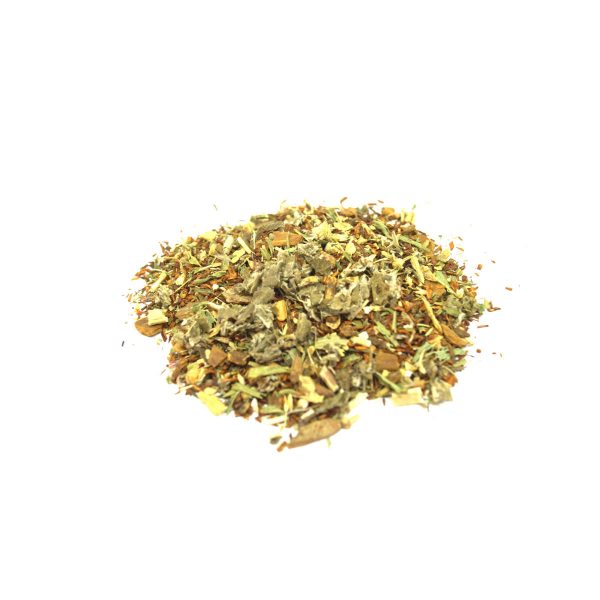
Ingredients SIBO ~ Methane: Steep Me Proprietary Organic and Wildcrafted Blend of Garlic (1% Allicin), Thyme Leaf, Tribulus, Rainbow Peppercorns, Ginger Root, Sage Leaf, Turmeric Root, Echinacea Leaf, Goldenseal, Rubbed Cloves, Oregano Leaf, Licorice Root, Myrrh Resin, Eucalyptus, Yarrow Flowers, Pau D’Arco, Burdock Root, Slippery Elm Bark, Plantain, Senna Leaf and Elderflower
Alternatively, try our Digestive Health Phyto~Nutrition Tea OR Candida Phyto~Nutrition Tea OR Happy Belly Phyto~Nutrition Tea OR Tummy Tamer Phyto~Nutrition Tea
Not Safe for Pregnancy
Not Safe for Breastfeeding
NOTE: These claim(s) have/have not been evaluated by the Food and Drug Administration. The products offered by Steep Me Tea Apothecary -Franchisees – Wholesalers – Influencers or SteepMe.com are not intended to treat, cure, or prevent any illness or disease. If you have or suspect that you have a medical problem, consult with your physician for diagnosis or treatment. All gender specific blends are based on Gender Assigned at Birth. Use herbs as per instructions and always watch for any allergic reactions. You should always carefully read all product packaging and labels. Always consult your physician or health care provider before using any herbal products, especially if you have a medical problem. Steep Me Tea Apothecary, SteepMe.com, and/or its proprietors assume no liability for any injury, illness, or adverse effects caused by the misuse or use of the information or products presented.
NOTE: When using Teas, Capsules, Tinctures, and Micro-Nutrition to help with your ailment ~ please remember this is a marathon ~ we recommend an investment of at least 6 months to see positive change. Any gender-specific blends are based on the gender assigned at birth.
“Processed in a facility that also processes food containing milk, egg, fish, peanut, shellfish, soy, tree nuts, wheat, and sesame. May contain traces of milk, egg, fish, peanut, shellfish, soy, tree nuts, wheat, and sesame.”
Great article on helping your SIBO symptoms in an all-natural way! Brine and Broth
Additional information
Benefits