


TranquiliTEA ~ Post Partum Calming & Relaxing
From: $14.00
This blend is a fantastic 4th trimester tea – for after baby is born. This tea is a great add in for breastfeeding because we added special herbs that help with Colic and calm the baby for feeding.
Description
Blender’s Notes TranquiliTEA ~ Post Partum Calming & Relaxing:
Steep Me Self Help combinations are a fantastic way to get health benefits outside of the standard tea leaf. This combination of herbs was built to help the new mom’s and dad’s handle post pregnancy stress. This is a great blend that can be used anytime to start the relaxation and calming process without losing cognitive ability. This blend also has added ingredients to help with fluid retention, inflammation, cognition, digestion, and energy. Plus, we added special herbs to help soothe cough and colic in the little one through the breast milk. If you are feeding bottles, simply make a special batch and add it to the baby’s bottle. Safe for all ages. It is normal to feel overwhelmed and anxious about the many responsibilities of having a newborn. Feelings of fatigue, crying, insomnia, anger, feelings of being alone, and the inability to concentrate are all typical of the “Baby Blues.” They are usually short-lived, lasting for a few weeks. Postpartum (or postnatal) refers to the period after childbirth. Most often, the postpartum period is the first six to eight weeks after delivery, or until your body returns to its pre-pregnancy state. But the symptoms and changes that occur during the postpartum period can last far beyond eight weeks. Major body and life changes are happening at the same time during the postpartum period. Some changes are physical — for example, breast engorgement and vaginal bleeding. Other changes occur due to changing hormones. The bottom line is, giving birth is a major physical and emotional challenge. Being a caregiver and adjusting to life with an infant during the postpartum period is also incredibly demanding. Pay attention to how you feel after giving birth and let your healthcare provider know if something feels off. Just because you gave birth does not mean your care ends or that your health is not important. You should try prioritizing resting and taking care of your health in addition to caring for your baby. One of the most important things you can do for yourself after giving birth is to allow yourself time to rest and heal. While this can be easier said than done, getting rest allows your body and mind time to recover. Ask for help when you need it. This could mean limiting visitors, asking for help with childcare or asking for help with things like cleaning and making meals. Postpartum: Stages, Symptoms & Recovery Time (clevelandclinic.org)
This blend included Red Raspberry Leaf because it offers several postpartum health benefits because of its nutrient density as a uterine tonic. The leaf contains bioactive compounds such as fragarine, which can help the smooth muscle of the uterus contract more efficiently, supporting the process of the return of the uterus to its pre‑pregnancy size. This improved muscle tone can also help reduce postpartum bleeding, because coordinated uterine contractions clamp down on blood vessels that supplied the placenta. The herbs mineral profile is rich in iron, calcium, magnesium, potassium, zinc, and B vitamins can help replenish nutrients depleted during pregnancy and birth, supporting energy levels and tissue repair. Red raspberry leaf is considered a galactagogue which means it will support breast‑milk production. The anti‑emetic and anti‑diarrheal properties can ease postpartum digestive issues, and its anti‑inflammatory and astringent qualities can support wound healing after vaginal birth, episiotomy, or C‑section. Red raspberry leaf is a gentle herbal ally that supports uterine recovery, nutrient restoration, lactation, and general postpartum healing. This blend also has dried Fuji Apples. These Apples were added because they support postpartum healing through a combination of fiber, antioxidants, hydration, and gentle digestive regulation. Their high soluble fiber content helps ease postpartum constipation which is a common issue after birth due to hormonal shifts, reduced mobility, and iron supplements and supporting healthy gut motility. Apples also provide vitamin C, which strengthens the immune system and supports tissue repair, an essential process after vaginal birth, section, or perineal tearing. They contain antioxidants such as quercetin that help reduce inflammation and oxidative stress, which naturally rise during postpartum recovery. The B‑complex vitamins in apples, including B6 and folate, support energy metabolism and red blood cell production, helping counter postpartum fatigue. Apples also offer potassium, supporting fluid balance and muscle function as the body recalibrates hormonally and physically after birth and their nutrient profile supports overall maternal health, which indirectly benefits lactation. Apples act as a gentle, nutrient‑dense food that supports digestion, immunity, hydration, and tissue recovery during the postpartum period. Next, we added Catnip. Catnip was included because of its gentle effects on the nervous and digestive systems. As a relaxant herb, catnip helps calm the nervous system, easing postpartum tension, irritability, and difficulty sleeping which are extremely common as the body adjusts hormonally and emotionally after birth. Its calming effects are considered mild but reliable, making it suitable for new mothers who need support without sedation. Catnip also acts as an antispasmodic and carminative, meaning it helps relieve gas, intestinal cramping, and digestive discomfort due to slowed bowels, constipation, or the stress of recovery. These soothing digestive effects can even be passed through breast milk, gently reducing colic and fussiness in infants. Catnip’s calming, digestive‑supportive postpartum ally that helps mothers rest, regulate digestion, and ease emotional strain during the early weeks of recovery. Rosemary was included for its effects on circulation, inflammation, cognition, and tissue recovery. Rosemary’s natural anti‑inflammatory and antioxidant compounds help reduce oxidative stress and support the body’s healing processes after birth. Its circulatory‑enhancing properties can gently improve blood flow, supporting recovery from fatigue and aiding tissue repair. Rosemary is also known for its cognitive‑supportive effects, helping with mental clarity and focus, which can be especially valuable during the hormonally intense postpartum period. As a warming, stimulating herb, rosemary can ease muscle tension and postpartum aches, and its aromatic qualities can help reduce stress and uplift mood. Rosemary offers circulatory support, anti‑inflammatory action, cognitive benefits, and hair‑follicle stimulation—makes it a helpful postpartum ally when used safely and appropriately. Next, we added Yarrow. Yarrow is one of the most powerful postpartum healing herbs, because of its ability to support tissue repair, reduce bleeding, and prevent infection. Its most important benefit comes from its astringent and hemostatic properties, meaning yarrow helps tighten tissues and slow or stop excessive postpartum bleeding by supporting healthy blood vessel constriction. It helps with postpartum spotting, heavy lochia, and perineal healing. Yarrow is also strongly antimicrobial and anti‑inflammatory, helping protect healing tissues from infection and reducing swelling and discomfort after vaginal birth, tearing, or episiotomy. Its wound‑healing compounds of azulene and tannins support the regeneration of skin and mucosal tissue, making yarrow sitz baths and compresses especially helpful for perineal tears or hemorrhoids. Yarrow’s gentle digestive‑supportive and circulatory effects can help regulate the postpartum body as it shifts hormonally, easing mild cramping and supporting uterine involution. Its nervine qualities offer subtle calming support during the intense early postpartum period. It is a potent postpartum ally for bleeding control, tissue repair, infection prevention, and overall recovery. Thyme was added because it supports postpartum healing through its antimicrobial strength, respiratory support, and nutrient density, making it a valuable herb during recovery. Its most notable benefit comes from its powerful antibacterial, antiviral, and antifungal properties, which help protect the body from infections at a time when the immune system is often taxed by birth, sleep deprivation, and hormonal shifts. This makes thyme especially helpful for supporting recovery from respiratory congestion, postpartum colds, or sinus issues. The main oil in Rosemary has thymol which can help open airways and ease breathing. Thyme also supports digestive regulation, helping reduce gas, bloating, and sluggish digestion that commonly follow childbirth due to reduced mobility and pelvic floor changes. Its warming, circulatory‑stimulating nature can gently support uterine recovery by improving blood flow to healing tissues. Thyme provides iron, vitamin C, vitamin K, manganese, and antioxidants which support tissue repair, immune strength, and energy production. Its aromatic profile can help uplift mood and reduce mental fog, offering subtle support during the intense early postpartum period. Thyme acts as a strengthening, protective herb that supports immunity, digestion, circulation, and emotional clarity during postpartum recovery. Linden flowers were added for their calming, anti‑inflammatory, and digestive‑soothing properties. Their nervine and mild sedative actions—linked to flavonoids such as quercetin and kaempferol—help ease postpartum anxiety, emotional tension, and sleep disturbances by relaxing the nervous system and promoting a sense of calm. Linden’s antispasmodic effects with the main component farnesol can help relax smooth muscle and reduce postpartum uterine cramping or tension held in the chest and abdomen. Its anti‑inflammatory and mucilage-rich profile can soothe irritated tissues, support recovery from respiratory discomfort, and ease throat irritation that can arise from labor or postpartum fatigue. Linden also acts as a digestive calmative, helping relieve bloating, gas, and heartburn by relaxing gastrointestinal spasms and reducing inflammation in the gut lining. Additionally, its diaphoretic and mild hypotensive actions can support circulatory regulation and gentle detoxification during postpartum healing. Linden flowers provide a soothing, restorative herbal ally for postpartum recovery, especially for emotional regulation, digestive comfort, and gentle relaxation.
We also added Mug wort. Mug wort is a warming, restorative herb because it helps stimulate circulation throughout the pelvis and lower abdomen, which can support uterine involution—the process of the uterus returning to its pre‑pregnancy size. This improved blood flow can also ease lingering postpartum cramping and help the body clear residual lochia more efficiently. Mug wort’s gentle nervine properties make it supportive for emotional regulation, helping calm anxiety, restlessness, and sleep disturbances that often accompany early postpartum hormonal shifts. Its mild digestive‑stimulating effects can help relieve gas, sluggish digestion, and abdominal tension, especially after a long labor or C‑section when the digestive system often slows down. Externally, mug wort has been used in sitz baths and compresses for its warming, antimicrobial, and anti‑inflammatory qualities, supporting perineal healing and reducing discomfort from tears or hemorrhoids. Mug wort is a great option for pelvic recovery, emotional grounding, and gentle digestive support. Next, we added Echinacea. Echinacea has immune‑strengthening, anti‑inflammatory, and tissue‑protective properties. After childbirth, the immune system is often taxed by physical stress, blood loss, hormonal shifts, and sleep disruption, making new mothers more vulnerable to infections. Echinacea’s ability to activate immune cells, including macrophages and natural killer cells, helps the body respond more effectively to pathogens during this vulnerable period. Its anti‑inflammatory compounds, such as alkamides and caffeic‑acid derivatives, help reduce swelling and support tissue recovery after vaginal birth, C‑section, or perineal trauma. Echinacea also provides antioxidant support, helping counter oxidative stress that naturally rises during postpartum healing. Nettles are one of the most valuable postpartum healing herbs, offering deep nutritional replenishment, hormonal support, and tissue‑repair benefits at a time when the body is recovering from birth. Their exceptionally high levels of iron help rebuild red blood cells after blood loss, reducing postpartum fatigue and supporting overall energy. Nettles also contain calcium, magnesium, potassium, zinc, vitamin K, and vitamin C, all of which play key roles in tissue healing, immune strength, and bone and muscle recovery. Vitamin K is especially helpful postpartum because it supports healthy blood clotting, which is essential as the uterus heals and lochia tapers. Nettles contain galactagogue which supports breast‑milk production by nourishing the body and stabilizing mineral levels needed for lactation. Their gentle diuretic and anti‑inflammatory properties help reduce postpartum swelling and support kidney function as the body sheds excess fluid retained during pregnancy. Nettles can help hormonal recalibration, thanks to their mineral density and mild endocrine‑balancing effects, helping ease mood fluctuations and stabilize energy. Nettles act as a powerhouse postpartum herb because it helps restore nutrients, support milk supply, strengthen the blood, reducing inflammation, and aid overall recovery. Next is Cinnamon. Cinnamon has natural anti‑inflammatory compounds of cinnamaldehyde, help reduce swelling and discomfort after birth, supporting tissue repair whether healing from vaginal tearing, episiotomy, or C‑section. Cinnamon also helps stabilize blood sugar, which can fluctuate postpartum due to hormonal shifts, disrupted sleep, and changes in appetite; steadier blood sugar supports mood stability, energy levels, and reduced fatigue. Its warming nature gently stimulates circulation, helping the uterus and surrounding tissues receive the blood flow needed for efficient healing. Cinnamon’s strong antimicrobial effects help protect the body from bacterial and fungal infections at a time when the immune system is often taxed by birth and early parenting. Cinnamon supports digestive recovery, easing gas, bloating, and sluggish digestion due to reduced mobility and pelvic floor changes. Cinnamon’s metabolic and circulatory support can benefit lactation by improving overall maternal vitality. Cinnamon acts as a warming, protective, and stabilizing herb that supports inflammation reduction, blood sugar balance, digestion, and tissue healing during postpartum recovery. Finally, we added Ginger. Ginger root is a high‑value postpartum healing herb because it supports inflammation reduction, digestion, circulation, and overall recovery during the intense physical transition after birth. Its well‑known anti‑inflammatory compounds, especially gingerols and shogaols, help ease postpartum swelling, muscle soreness, and uterine cramping as the body heals from labor, vaginal tearing, episiotomy, or C‑section. Ginger is also one of the most effective natural supports for digestive recovery because it stimulates gastric motility, reduces gas and bloating, and helps relieve nausea due to hormonal shifts, pain medications, or slowed digestion. Its warming nature enhances circulation, helping deliver oxygen and nutrients to heal tissues and supporting uterine involution. Ginger’s strong antimicrobial properties help protect the body from infections at a time when the immune system is taxed by blood loss, sleep disruption, and physical stress. Additionally, ginger supports blood‑sugar stability, which can help regulate postpartum mood, energy, and appetite. Ginger root acts as a warming, anti‑inflammatory, digestive‑supportive, and immune‑protective herb that strengthens the body’s natural healing processes during postpartum recovery.
NOTE: “This/these claim(s) has/have not been evaluated by the Food and Drug Administration. This product is not intended to diagnose, treat, cure or prevent any disease.”
Features TranquiliTEA ~ Post Partum Calming & Relaxing:
- Leaves can be infused all day! (They will not get bitter)
- Lots of individual flavor based on the ingredients
- All Wildcrafted Herbs
- All Organic where Wildcrafted is not available
- Sweet Smooth Taste
- Light Colour Cup of Tea
- Full of natural antioxidants and Low in Tannins and Very Hydrating
- Sample Size ~ 1 oz will make 8-10 ~ 16 oz teas
- Sealed Bag ~ 4 oz will make 32-40 ~ 16 oz teas
- Iced Tea ~ Always Double the amount of Tea for the same size cup!
- Per Serving ~ 1 tsp per 6 oz of H2O
- Recommend 3 tsp Per Day – resteep leaves 2-3 times
- Caffeine: None
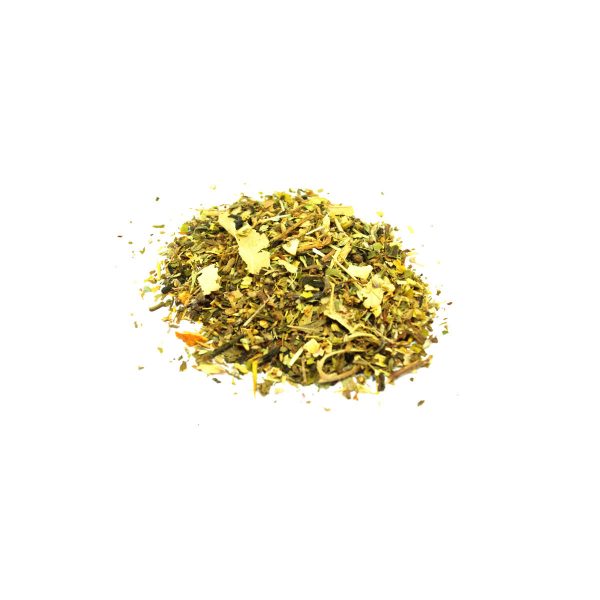
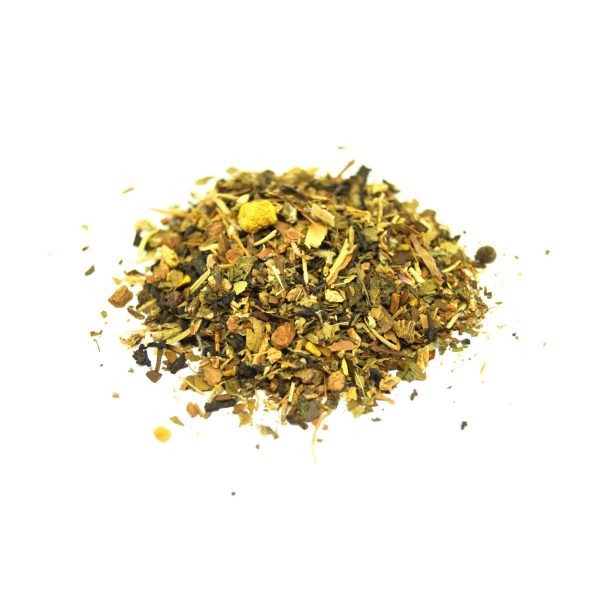
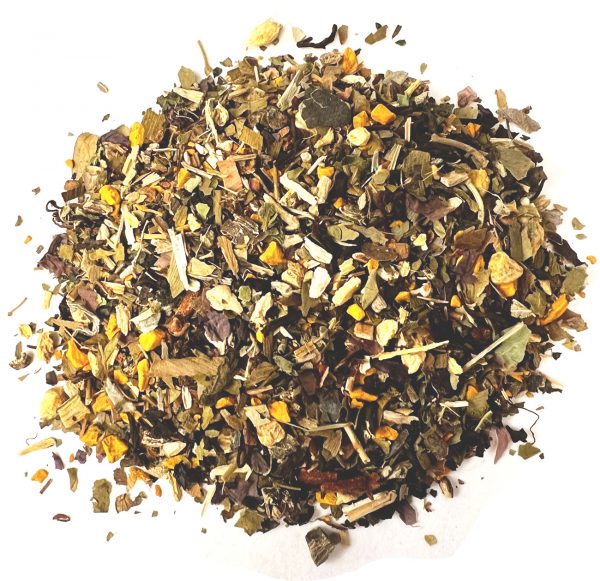
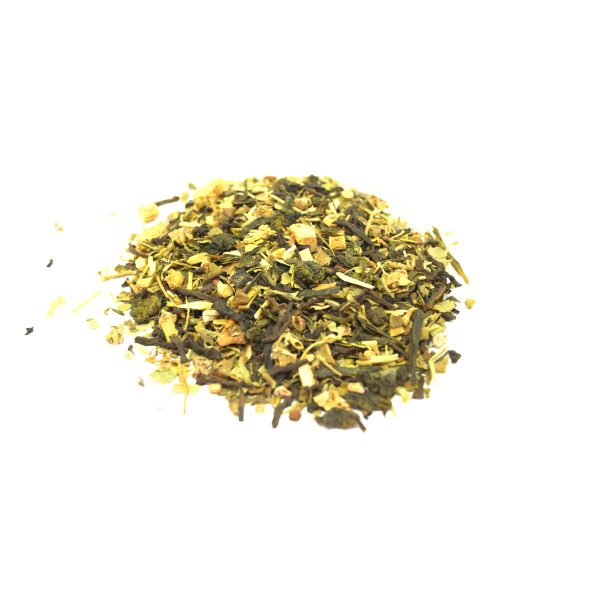
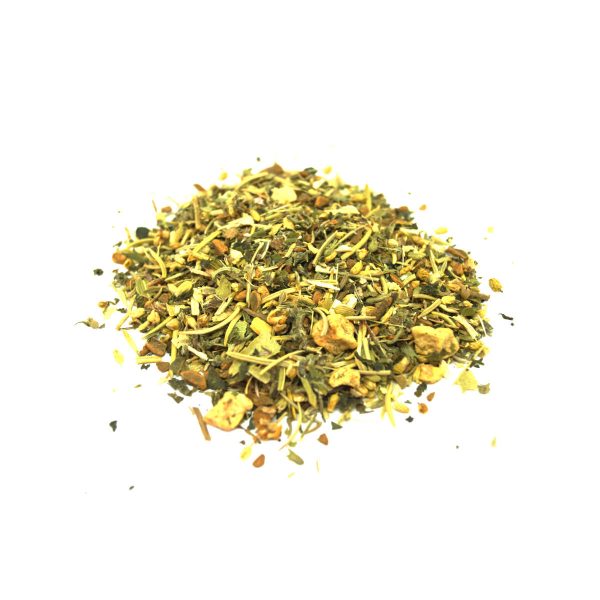
Ingredients: Steep Me Proprietary Organic and Wild crafted blend of Red Raspberry Leaf, Dried Fuji Apple, Catnip, Rosemary, Yarrow Flowers, Thyme, Linden Flowers, Mug Wort, Echinacea, Nettle, Cinnamon Chips and Ginger Root
Not Safe for Pregnancy
Safe for Breastfeeding
Alternatively, try our Antidepressant Phyto~Nutrition Capsules OR Post Partum Recovery Phyto~Nutrition Capsules OR Prenatal Thru Lactation Micro~Nutrition Capsules OR Milk in It Phyto~Nutrition Capsules OR Milk in It Phyto~Nutrition Tea OR Calming Hug Phyto~Nutrition Tea OR Insomnia Mommy Phyto~Nutrition Tincture
NOTE: These claim(s) have/have not been evaluated by the Food and Drug Administration. The products offered by Steep Me Tea Apothecary -Franchisees – Wholesalers – Influencers or SteepMe.com are not intended to treat, cure, or prevent any illness or disease. If you have or suspect that you have a medical problem, consult with your physician for diagnosis or treatment. All gender specific blends are based on Gender Assigned at Birth. Use herbs as per instructions and always watch for any allergic reactions. You should always carefully read all product packaging and labels. Always consult your physician or health care provider before using any herbal products, especially if you have a medical problem. Steep Me Tea Apothecary and SteepMe.com and/or its proprietors assume no liability for any injury, illness or adverse effects caused by the misuse and/or use of the information or products presented
NOTE: When using Teas, Capsules, Tinctures and Micro-Nutrition to help with your ailment ~ please remember this is a marathon ~ we recommend an investment of time of at least 6 months to see positive change. Any gender specific blends are based on gender assigned at birth.
“Processed in a facility that also processes food containing milk, egg, fish, peanut, shellfish, soy, tree nuts, wheat, and sesame. May contain traces of milk, egg, fish, peanut, shellfish, soy, tree nuts, wheat, and sesame.”
Additional information
| Weight | .4 oz |
|---|---|
| Size | 1 oz sample bag, 1/2 # Bulk Bag, 4oz Sealed Bag |
Reviews (1)
1 review for TranquiliTEA ~ Post Partum Calming & Relaxing
Only logged in customers who have purchased this product may leave a review.
Benefits
Related products
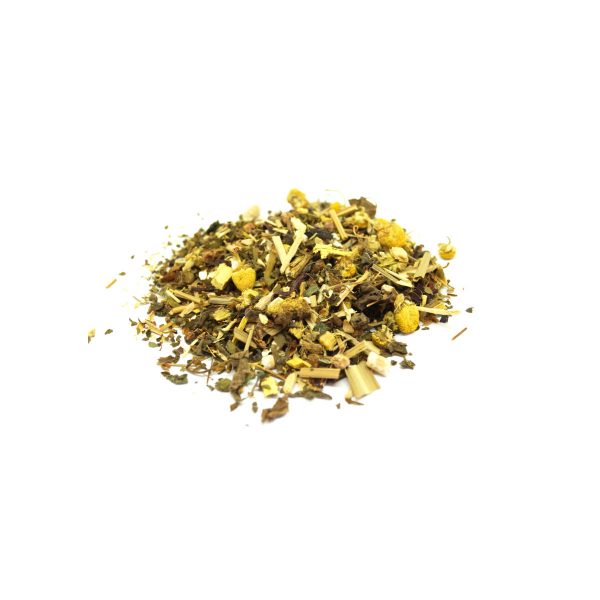

Hitch ~ Women’s Tea ~~ GRAS Certified Ingredients
A great overall women's health tea - use on a daily basis to maintain health benefits. Not meant for women below the age of 26. This women's tea is a great hormone balancing tea with great response from the users on reduced inflammation and reduced anxiety. A great sweet taste...give it a try today!
Corey Johnson –
Tranquili”TEA” is like liquid Xanax, it is so relaxing and puts me in a mellow state and helps me unwind. It is amazing how effective it is!
Also – the staff at Steep Me have been so attentive to any requests or feedback I have regarding their products. You guys are the best and thank you, thank you for all of your help!
Best,