

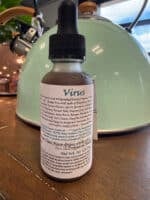


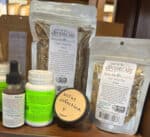
Virus Tincture ~ Alcohol Extraction ~~ GRAS Certified Ingredients
$38.00
A great way to get rid of that Virus! Can be used as a preventative measure also!
Description
Blender’s Notes Virus Tincture ~ Alcohol Extraction ~~ GRAS Certified Ingredients:
Steep Me Self-Help Tea combinations are a wonderful way to get health benefits outside of the standard tea leaf. This combination of herbs helps the body with any type of viral infection. What is a virus? Viruses are small germs (pathogens) that can infect you and make you sick. They can infect humans, plants, animals, bacteria, and fungi. Each one infects only specific types of hosts. Viral infections in humans can cause no symptoms or make you extremely ill. Types of diseases they can cause include Respiratory illnesses. Diarrhea and vomiting. Sexually transmitted infections (STIs). Skin conditions. A virus is a small piece of genetic information in a “carrying case” — a protective coating called a capsid. Viruses are not made up of cells, so they do not have all the equipment that cells need to make more copies of themselves. Instead, they carry instructions with them and use host cell equipment to make more copies of the virus. Viruses share some common features. Viruses: Are made up of genetic material (RNA or DNA) and a protective protein coating (capsid). Sometimes have another layer called an envelope around the campsite. Viruses without an envelope are called “naked viruses.” Are like parasites — they need a host to reproduce. They will survive outside of a host until their capsid breaks down over time. Are 100 to 1,000 times smaller than the cells in your body. Some common types of viruses that you might hear about include Influenza viruses. Human herpesviruses. Coronavirus. Human papillomaviruses. Enteroviruses. Flaviviruses. Ortho poxviruses. Hepatitis viruses. There are also some viruses that have unique qualities, like retroviruses and oncoviruses. Viruses usually enter your body through your mucous membranes. These include your eyes, nose, mouth, penis, vagina, and anus. Some viruses get in through a break in your skin or from a bite from a mosquito or tick. How do viruses work? Viruses have several steps to infect cells and reproducing. They include Attachment, Entry, Replication, Assembly, and Release.
Viruses can get inside of cells in three ways: Receptor binding. Cells have receptors on the outside that can receive signals from proteins in your body. Think of them like doors. Some viruses trick cells into thinking they should be allowed inside, so the cells leave them in the door. Direct fusion. Some viruses attach directly to host cells to get inside. Bacteriophages inject their genetic material into bacterial cells. The entire virus does not need to get inside. Once the virus or its genetic material is inside of a cell, it uses either a lytic cycle or lysogenic cycle to reproduce (some use both): Lytic cycle. The virus uses the host cell’s machinery to make more copies of itself. Pieces of the virus assemble, wrapping up the genetic material in the capsid. Viruses make many copies of themselves this way. Eventually, there are so many copies of the virus inside the cell that it bursts. Those virions can now go and infect more cells. Lysogenic cycle. Some viruses have a dormant or silent phase. They get inside cells and then wait. Instead of setting up a shop to cook in your kitchen right away, it is as if they put their recipe into your body’s recipe book without you knowing it. The cells do not realize the virus is there and continue to reproduce as they normally would. Each new copy of the cell also has a copy of the virus in it. Certain triggers can cause those cells to burst, spreading viral particles into your body that can infect other cells. Triggers could include stress, chemical signals, or temperature changes. Viruses: Definition, Types, Characteristics & Facts
In this blend we include herbs to help kick the virus out of the body and help with the symptoms. The blend will have a slightly garlicy taste with a hint of earthiness from our proprietary mushroom blend we included to help keep your antioxidants high while detoxing the body. We started with Elderberry (Sambucus nigra) because it helps the body respond to certain viral respiratory infections by exerting antiviral, immune‑modulating, anti‑inflammatory, and antioxidant effects. Elderberry is rich in flavonoids such as anthocyanins—can bind to viral surface proteins and inhibit viral entry or replication for some viruses (notably influenza strains), and adding elderberry early in illness can shorten symptom duration and reduce severity (fever, congestion, cough, fatigue, sore throat) by enhancing early innate immune responses and promoting faster viral clearance. Elderberry’s polyphenols also reduce oxidative stress and modulate inflammatory mediators, which can relieve symptom‑causing inflammation. Ginseng root was included because it has immunomodulatory effects that can enhance innate and adaptive immune responses—stimulating macrophage and natural killer cell activity and modulating cytokine production—which can help the body recognize and clear viruses more effectively. It contains ginsenosides and other active compounds show antiviral activity against a range of viruses by interfering with viral entry, replication, or assembly. The anti‑inflammatory and antioxidant properties of Ginseng reduce excessive inflammatory signaling and oxidative stress that contribute to symptom severity and tissue damage during infections. Ginseng can reduce the incidence, duration, or severity of upper respiratory infections. English ivy (Hedera helix) was added because it is primarily used as an expectorant and antitussive. English Ivy contains saponins (notably hederacoside C) and flavonoids that help loosen mucus, increase bronchial secretions, reduce cough frequency and intensity, and improve airflow in acute and chronic bronchitis and other respiratory conditions. English Ivy contains antimicrobial and anti‑inflammatory effects, and have shown symptom relief (reduced coughing, easier expectoration, and improved breathing) in people with productive coughs. We also included Ginger Root. Ginger root (Zingiber officinale) contains gingerols, shogaols, and other bioactive compounds that provide antiviral, anti‑inflammatory, antioxidant, and symptom‑relieving effects that can support the body during viral infections. Ginger can inhibit viral attachment or replication for certain respiratory and gastrointestinal viruses, while its anti‑inflammatory and antioxidant actions reduce cytokine‑driven tissue damage and oxidative stress, potentially lessening symptom severity such as sore throat, nasal congestion, cough, nausea, and muscle aches. Ginger also has prokinetic and antiemetic effects that ease nausea and improve gastric motility, and mild bronchodilatory and mucus‑loosening properties that can help relieve cough and promote expectoration.
Next, we added Yarrow Flowers. Yarrow (Achillea millefolium) was included because it contains flavonoids, sesquiterpene lactones, and tannins that provide anti‑inflammatory, astringent, antimicrobial, and mild immunomodulatory effects which can help relieve symptoms. Its anti‑inflammatory and antioxidant constituents can reduce tissue inflammation and oxidative stress, easing sore throat, mucosal irritation, and fever‑related discomfort, while astringent and mild antiseptic actions can help dry weeping mucous membranes and it has modest antimicrobial activity. Garlic (Allium sativum) was added because it contains allicin, sulfides, and other sulfur‑containing compounds that can support the body’s response to viral infections. Garlic can inhibit viral attachment, entry, or replication for certain respiratory and other viruses, and garlic’s immunomodulatory effects—enhancing macrophage and natural killer cell activity and modulating cytokine responses—can aid earlier recognition and clearance of pathogens. Its anti‑inflammatory and antioxidant properties can reduce tissue inflammation and oxidative damage that worsen symptoms, while antimicrobial effects can help prevent or limit secondary bacterial complications. We included Calendula (Calendula officinalis) because it contains triterpenoids, flavonoids, and carotenoids that can help relieve symptoms and support healing during certain infections. Calendula can reduce inflammation, promote tissue repair, and lower oxidative stress—beneficial for infected or irritated skin, mucous membranes. Calendula shows antiviral and antimicrobial activity against some pathogens. Peppermint (Mentha × piperita) was added because it contains menthol, flavonoids, and volatile oils that provide symptomatic relief during viral respiratory and gastrointestinal infections. Its menthol and volatile oils function as mild local anesthetics and decongestants, soothing sore throats, reducing throat and chest discomfort, relieving nasal congestion by improving perceived airflow, and loosening mucus to aid expectoration. Peppermint’s antispasmodic effects can also reduce cough and ease gastrointestinal cramps and nausea common with viral gastroenteritis. Peppermint has anti‑inflammatory and antioxidant constituents that can limit tissue inflammation and oxidative stress. We included Rosemary (Rosmarinus officinalis/Salvia rosmarinus) because it contains rosmarinic acid, carnosic acid, carnosol, and volatile oils that can support the body during viral infections. Rosemary can inhibit viral attachment or replication for certain viruses and reduce virus‑induced cell damage, while its strong antioxidant and anti‑inflammatory properties help limit oxidative stress and excessive cytokine‑driven inflammation that contribute to symptom severity (sore throat, congestion, cough, fever, and malaise). Rosemary can provide symptomatic relief via mild decongestant and antimicrobial and its immunomodulatory effects can support innate defenses such as macrophage and natural killer cell activity, potentially aiding viral recognition and clearance.
Next, we added Fennel. Fennel (Foeniculum vulgare) contains anethole, fenchone, flavonoids, and volatile oils that mainly provide symptomatic relief of a virus. Its antispasmodic and carminative actions help ease cough‑related bronchial spasms and soothe gastrointestinal symptoms such as nausea, bloating, and cramping common with viral gastroenteritis. Fennel is an expectorant and mild mucolytic properties can loosen mucus and improve chest congestion and expectoration. Fennel’s antioxidant and anti‑inflammatory constituents reduce oxidative stress and dampen excessive inflammatory responses that contribute to symptom severity (sore throat, tissue irritation, malaise). Oregano (Origanum vulgare) was added because it contains phenolic compounds—primarily carvacrol and thymol—along with flavonoids that can disrupt viral envelopes and inhibit replication for certain viruses. Oregano contains antimicrobial and anti‑inflammatory actions which can reduce secondary bacterial load and dampen symptom‑causing inflammation in the respiratory tract, potentially easing cough, congestion, and sore throat. Antioxidant compounds in oregano help limit oxidative tissue damage during infections, and mild immunomodulatory effects can support innate defenses such as macrophage and natural killer cell activity. We included Self-heal (Prunella vulgaris) because it has been used for antiviral and immune‑supporting properties. It contains rosmarinic acid, flavonoids, and other phenolics that can inhibit viral attachment and entry for certain enveloped viruses (including some herpesviruses and influenza strains) and can interfere with viral replication. Prunella also exhibits anti‑inflammatory and antioxidant actions that can reduce tissue inflammation and oxidative stress during infections and modulate immune responses—enhancing macrophage activity and promoting balanced cytokine production—which might support viral clearance and lessen symptom severity. Lemon balm (Melissa officinalis) was added because it contains rosmarinic acid, flavonoids which can help the body respond to certain viral infections through mild antiviral, calming, and symptom‑relieving actions. Lemon balm can inhibit viral attachment and replication of some viruses. Lemon Balm has anti‑inflammatory and antioxidant which can lessen tissue inflammation and oxidative stress during infections, potentially easing soreness and promoting healing. Lemon balm’s mild anxiolytic and stomach‑soothing effects can also reduce stress‑related symptoms that can accompany illness, improving comfort and recovery. We included Licorice root (Glycyrrhiza glabra) because it contains glycyrrhizin and other flavonoids that can inhibit viral attachment, replication, or gene expression for certain viruses (including some respiratory and herpesviruses), and can reduce viral replication or symptom severity. Licorice Root contains anti‑inflammatory and demulcent constituents which can soothe irritated mucous membranes, reduce cough, and sore throat discomfort, and limit excessive inflammatory damage that worsens symptoms. Licorice also has immune‑modulating and antioxidant effects that can help support recovery.
Next is Echinacea. Echinacea (primarily Echinacea purpurea) contains alkamides, polysaccharides, caffeic acid derivatives, and flavonoids that can help the body respond to viral respiratory infections. Echinacea can stimulate innate immune cells (macrophages, natural killer cells) and modulate cytokine production, which can enhance early viral recognition and clearance. Echinacea, when taken at the first sign of illness, have been associated with reductions in the duration and severity of common cold symptoms and reduced risk of developing a full cold after exposure. Echinacea’s anti‑inflammatory and antioxidant constituents can also help reduce symptom‑causing inflammation (sore throat, nasal congestion, cough) and support recovery. Holy basil (Ocimum tenuiflorum/Tulsi) was also included because it contains essential oils (eugenol, ursolic acid), flavonoids, and polyphenols that can help the body respond to viral infections which can inhibit viral attachment or replication for some viruses and reduce virus‑induced cell damage. Holy Basil has immunomodulatory effects which supporting macrophage and natural killer cell activity and balancing cytokine responses and its anti‑inflammatory and antioxidant constituents can lessen tissue inflammation and oxidative stress. We included Borage. Borage (Borago officinalis) is rich in gamma‑linolenic acid (GLA) and other fatty acids, while leaves contain flavonoids and tannins which can reduce inflammatory signaling and oxidative stress during infections and help relieve symptom severity (sore throat, congestion, tissue irritation, and pain). Limited in vitro and animal data suggest modest antimicrobial and immune‑regulating effects—borage extracts can influence cytokine production and support macrophage function—potentially aiding the body’s ability to respond to pathogens. Dandelion root (Taraxacum officinale) was added because it contains inulin, phenolic compounds, polysaccharides, and terpenoids that can reduce oxidative stress and dampen excessive inflammatory responses that contribute to symptom severity (fatigue, malaise, sore throat, and tissue irritation. Dandelion has antiviral activity against certain viruses by inhibiting viral entry or replication and its prebiotic inulin and polysaccharides can also support gut microbiota and overall immune resilience, which can indirectly aid recovery. Astragalus (Astragalus membranaceus) because it contains polysaccharides, saponins (astragalosides), and flavonoids which have immunomodulatory effects that can stimulate innate immune cells (macrophages, dendritic cells) and enhance natural killer cell activity and antibody. Astralagus also has antiviral actions against certain viruses by inhibiting viral replication or blocking viral entry, and astragalus also exhibits anti‑inflammatory and antioxidant properties that can reduce infection‑related inflammation and oxidative stress, potentially lessening symptom severity. Also, Astragalus may reduce the duration of upper respiratory infections and improved recovery when used preventively.
Next is Olive Leaf. Olive leaf (Olea europaea) contains phenolic compounds—most notably oleuropein—and flavonoids that have demonstrated antiviral, anti‑inflammatory, antioxidant, and immune‑modulating effects. Olive leaf can inhibit viral attachment, entry, or replication for a range of viruses (including some respiratory and herpesviruses). Olive leaf’s anti‑inflammatory and antioxidant actions can blunt excessive inflammatory responses and oxidative stress during infection, potentially easing symptoms such as fever, sore throat, fatigue, and malaise, while mild immune modulation (enhancing phagocytosis and supporting innate responses) can aid earlier viral clearance. Cat’s claw (Uncaria tomentosa) was included because it contains alkaloids, polyphenols, and other bioactive compounds that can stimulate macrophage and lymphocyte activity, enhance phagocytosis, and balance cytokine production, which can help recognition and clearance of pathogens. Cat’s Claw contains antioxidant and anti‑inflammatory actions which can reduce tissue damage and lessen symptom severity from infection‑related inflammation. Steep Me Seaweed Blend was added because of its for nutrients and bioactive compounds—iodine, fucoxanthin, fucoidans, vitamins, minerals, and polyphenols—that can support general immune health and reduce inflammation. Steep Me Seaweed Blend has antiviral activity in against viruses by inhibiting viral attachment, entry, or replication, plus its antioxidants (fucoxanthin, polyphenols) can reduce oxidative stress and tissue damage that contribute to symptom severity. Its micronutrients (iodine, vitamins, trace minerals) help maintain metabolic and thyroid function, which supports overall resilience and recovery during illness. Elderflower (from Sambucus species) was included because it contains flavonoids, phenolic acids, and oils that exhibit anti‑inflammatory, antioxidant, and mild diaphoretic effects, which can reduce inflammation in the airways, lessen congestion, and promote sweating to help relieve fever and discomfort. We added in Nettles. Nettles (Urtica dioica) contain flavonoids, carotenoids, minerals, and phenolic compounds that provide anti‑inflammatory and antioxidant effects, which can reduce tissue inflammation and oxidative stress that contribute to symptom severity (pain, sore throat, congestion, and fatigue). Nettle shows mild immunomodulatory actions and modulating cytokine production and supporting macrophage activity which can help the immune system respond to pathogens more effectively. Red clover (Trifolium pratense) because it contains isoflavones (biochanin A, formononetin, genistein), flavonoids, and polyphenols that can have antiviral and antimicrobial activity and can modulate immune signaling. Red Clover has anti‑inflammatory and antioxidant properties which may reduce infection‑related inflammation and oxidative stress, potentially easing symptoms like sore throat and discomfort. Finally, we added our Steep Me Mushroom Blend. Medicinal mushrooms contain polysaccharides (notably beta‑glucans), triterpenes, lectins, and other bioactive compounds such as cordycepin, polysaccharides, and nucleosides that can support the body’s response to viral infections. Beta‑glucans and other polysaccharides can enhance innate immune defenses and natural killer cells, and dendritic cell activity to help shape adaptive responses (improving antibody production and T‑cell function) which can aid recognition and clearance of viral pathogens. Steep Me Medicinal Mushrooms have anti‑inflammatory and antioxidant properties which can reduce excessive inflammation and oxidative stress during infection, lessening symptom severity such as fatigue, shortness of breath, and general malaise, and improved exercise tolerance, respiratory function, or recovery in people with chronic respiratory conditions.
This blend is a great option to drink as a preventative. We have been making this tea as a part of our daily regimen for the last year and really has been effective for us to be at work every day.
~~This product has been officially lab tested and meets the requirements for GRAS (General Regarded as Safe) Testing ~ a designation directed by the FDA for food and supplements. Public Health Microbiology Foundation evaluated it, and they officially consider this product a “non-TCS commodity” and is safe as a human food product & human dietary supplement~~
NOTE: “This/these claim(s) has/have not been evaluated by the Food and Drug Administration. This product is not intended to diagnose, treat, cure or prevent any disease.”
Features Virus Tincture ~ Alcohol Extraction ~~ GRAS Certified Ingredients:
- Ready to Go
- Lots of individual flavor based on the ingredients
- All Wildcrafted Herbs
- All Organic where Wildcrafted is not available
- Place recommended dosage under the tongue and wait
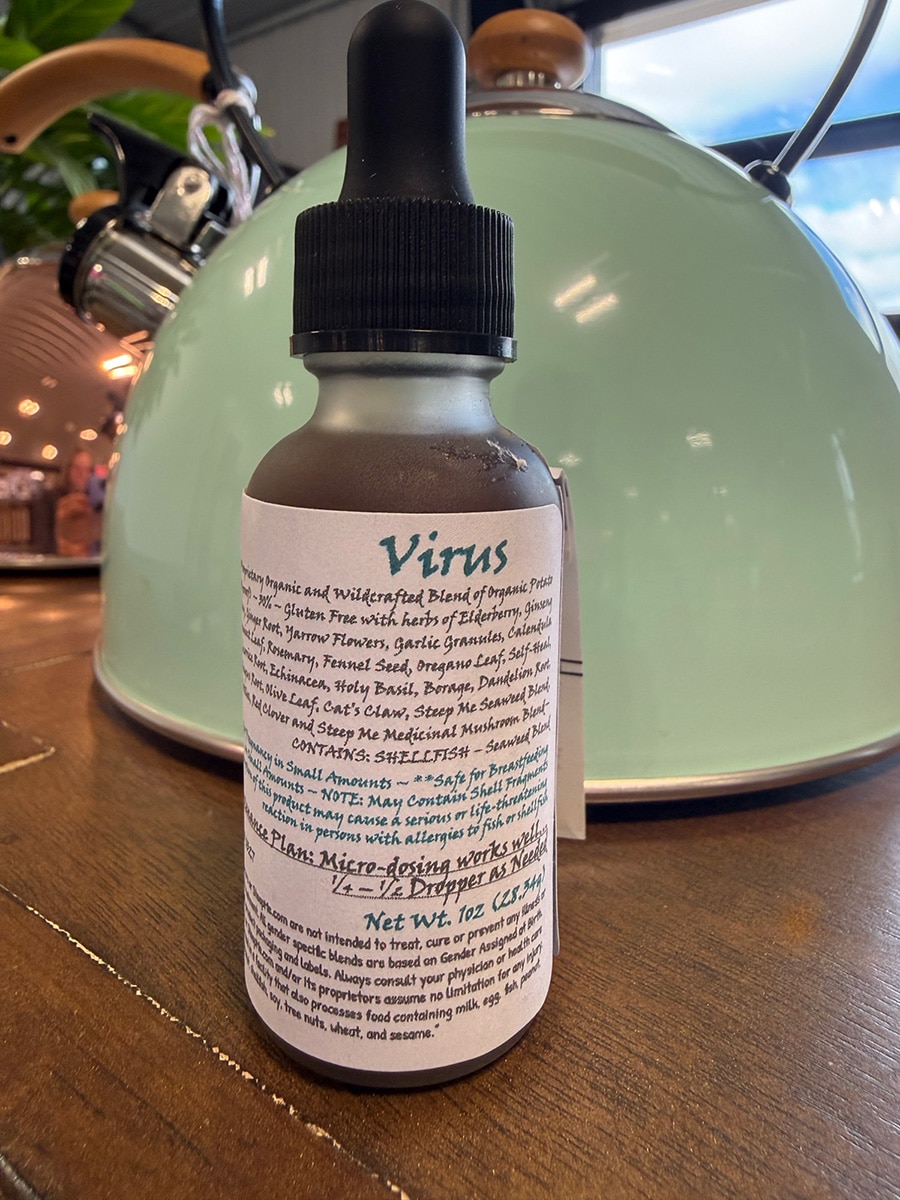
- Active Plan: Microdosing works well… ¼ – ½ Dropper as Needed
- Caffeine: None
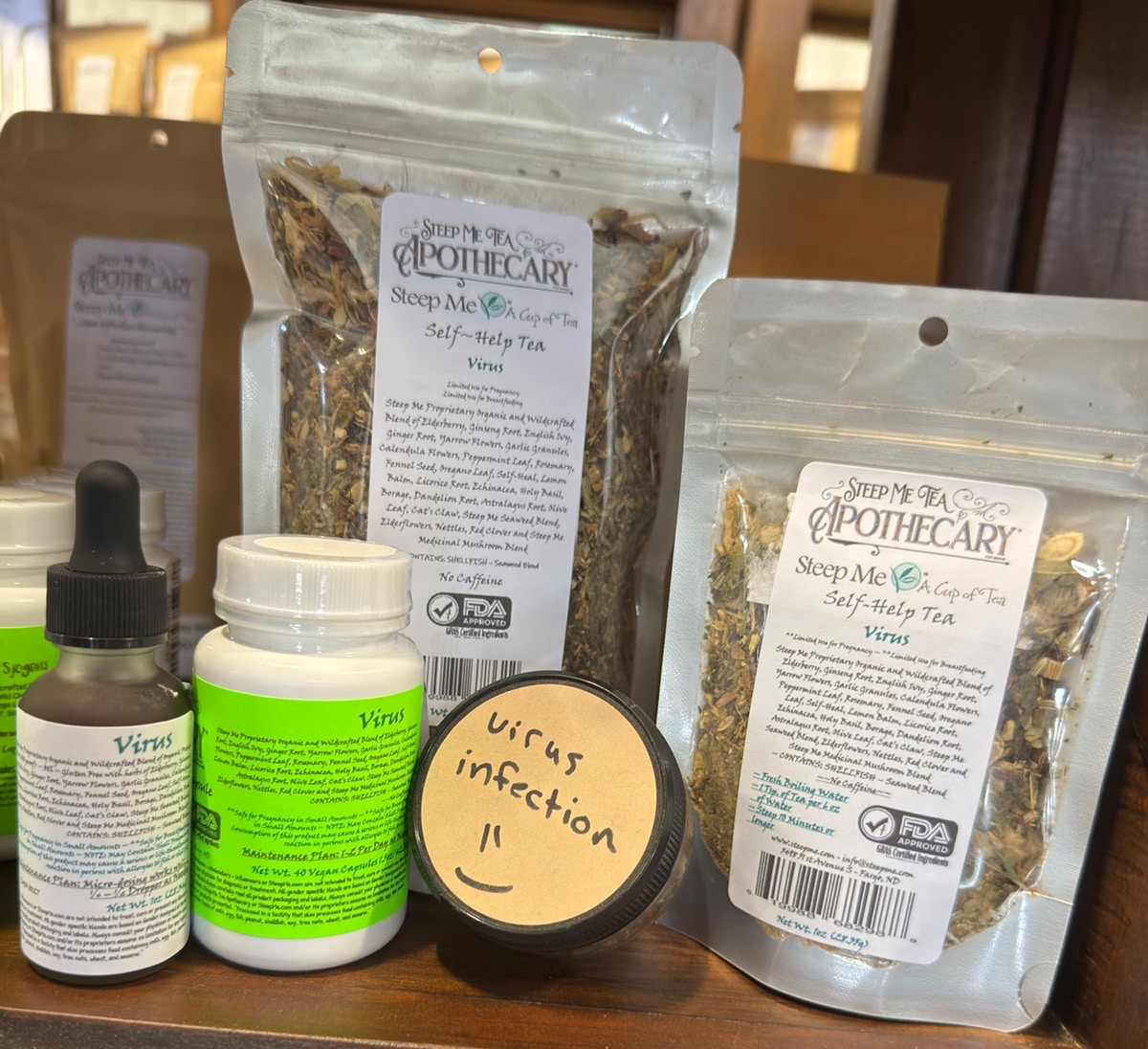
Ingredients: Steep Me Proprietary Organic and Wildcrafted Blend of Organic Potato Alcohol (100 proof) ~ 30% ~ Gluten Free with herbs of Elderberry, Ginseng Root, English Ivy, Ginger Root, Yarrow Flowers, Garlic Granules, Calendula Flowers, Peppermint Leaf, Rosemary, Fennel Seed, Oregano Leaf, Self-Heal, Lemon Balm, Licorice Root, Echinacea, Holy Basil, Borage, Dandelion Root, Astralagus Root, Olive Leaf, Cat’s Claw, Steep Me Seaweed Blend, Elderflowers, Nettles, Red Clover and Steep Me Medicinal Mushroom Blend~ CONTAINS: SHELLFISH – Seaweed Blend
CONTAINS: SHELLFISH – Seaweed Blend
Safe for Pregnancy in Small Amounts
Safe for Breastfeeding in Small Amounts
NOTE: May Contain Shell Fragments Consumption of this product may cause a serious or life-threatening reaction in persons with allergies to fish or shellfish.
Alternatively, try our Throat Therapy Phyto~Nutrition Tea OR Bronchial Virus Phyto~Nutrition Tea OR Virus Phyto~Nutrition Capsules OR Virus Phyto~Nutrition Tincture OR Virus Blaster Micro~Nutrition Capsules OR Respiratory Mucus Phyto~Nutrition Tea OR Cough Drop Phyto~Nutrition Tea OR Kick Ur Kold Phyto~Nutrition Tea
NOTE: These claim(s) have/have not been evaluated by the Food and Drug Administration. The products offered by Steep Me Tea Apothecary -Franchisees – Wholesalers – Influencers or SteepMe.com are not intended to treat, cure, or prevent any illness or disease. If you have or suspect that you have a medical problem, consult with your physician for diagnosis or treatment. All gender specific blends are based on Gender Assigned at Birth. Use herbs as per instructions and always watch for any allergic reactions. You should always carefully read all product packaging and labels. Always consult your physician or health care provider before using any herbal products, especially if you have a medical problem. Steep Me Tea Apothecary and SteepMe.com and/or its proprietors assume no liability for any injury, illness or adverse effects caused by the misuse and/or use of the information or products presented
NOTE: When using Teas, Capsules, Tinctures and Micro-Nutrition to help with your ailment ~ please remember this is a marathon ~ we recommend an investment of time of at least 6 months to see positive change. Any gender specific blends are based on gender assigned at birth.
NOTE: Be sure to shake the tinctures well. Sediment from the herbs can accumulate in the dropper. At times needing to clear the dropper is necessary. The extraction of these tinctures prevents mold and mildew buildup.
“Processed in a facility that also processes food containing milk, egg, fish, peanut, shellfish, soy, tree nuts, wheat, and sesame. May contain traces of milk, egg, fish, peanut, shellfish, soy, tree nuts, wheat, and sesame.”
How to take a tincture! https://www.urbanmoonshine.com/blogs/blog/how-to-take-a-tincture-and-why
Benefits
Related products

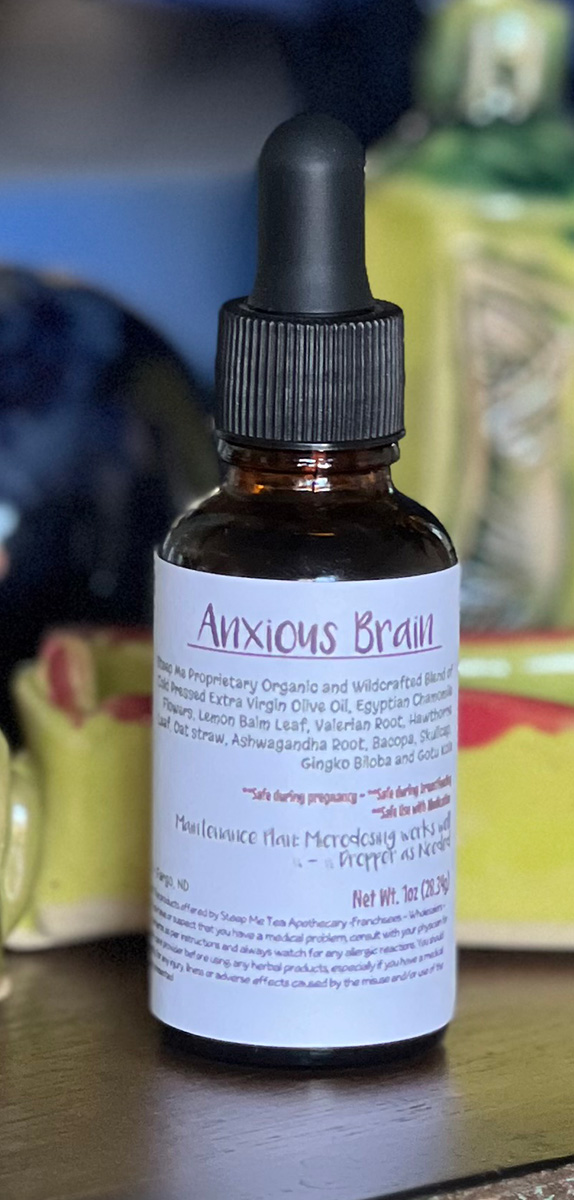

Anxious Brain Tincture ~~ GRAS Certified Ingredients
This tea was built to help with racing thoughts in the mind when the body feels relaxed - the list process - the overthinking of a task - the dark thoughts of what is to come or what happened in the past. This is different than our Anxiety in that this tea only addresses the mental aspects, where the Anxiety also address the physical aspects tied to this ailment.