New
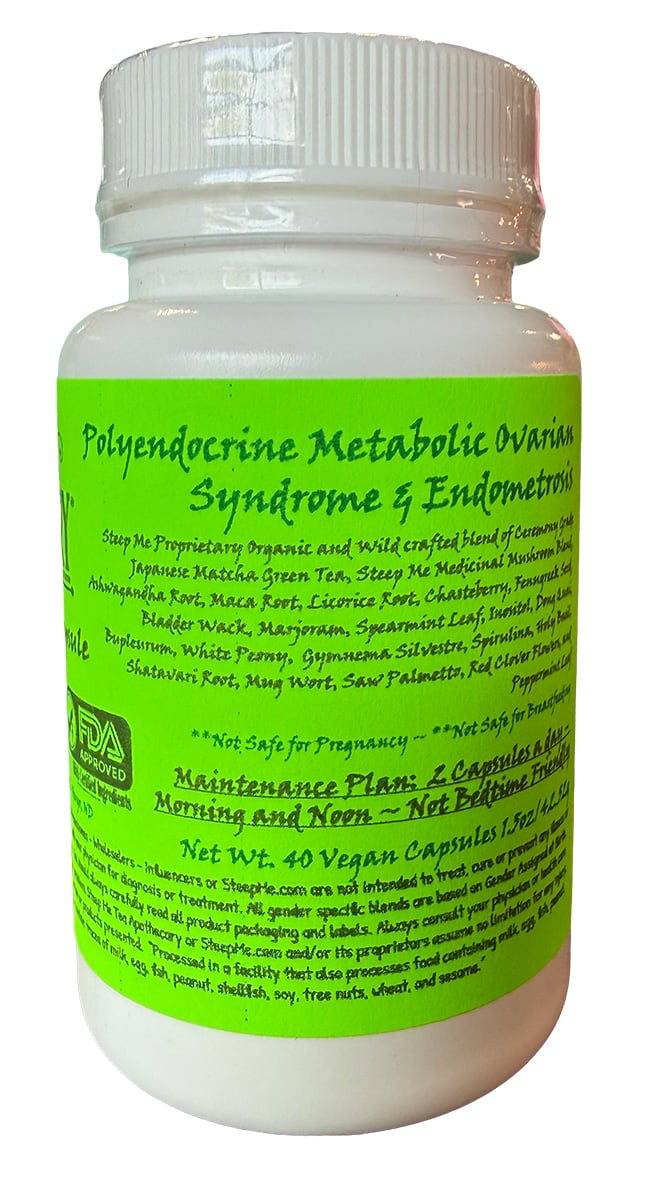
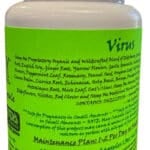
Polyendocrine Metabolic Ovarian Syndrome (PMOS) ~ Endometriosis Capsules ~~ GRAS Certified Ingredients
$82.95
PCOS – Endometriosis was built to help the body manage the symptoms surrounding PCOS and focus on reducing the inflammation on the reproductive systems.
Description
Blender’s Notes Polyendocrine Metabolic Ovarian Syndrome (PMOS) ~ Endometriosis Capsules ~~ GRAS Certified Ingredients:
Why is the change from PMOS to PMOS? PMOS is now being referred to as PMOS because the newer name emphasizes that the condition isn’t only about ovarian/hormonal dysfunction (“PCO” and Polyendocrine Metabolic features) but also involves broader metabolic effects. In short, “PMOS” highlights both endocrine (hormonal) and metabolic aspects, not just the appearance of the ovaries. PMOS: PMOS (Polyendocrine Metabolic ovary syndrome) is characterized by signs of hormonal imbalance that often lead to irregular or absent ovulation, which can cause irregular menstrual cycles and difficulties with fertility. Common features include elevated androgen levels (which may cause acne, increased facial/body hair, or scalp hair thinning), and many people also have metabolic tendencies such as insulin resistance, weight changes, or increased risk of type 2 diabetes. Imaging may show enlarged ovaries or a pattern of multiple small follicles, though the name itself doesn’t capture all the ways PMOS can affect the body. PMOS: PMOS (polyendocrine metabolic ovarian syndrome) is described as an expanded framing of the same underlying syndrome, emphasizing that it affects not just the ovaries and hormones, but multiple endocrine pathways (polyendocrine) and metabolic function (metabolic). Compared with PMOS terminology, PMOS places stronger emphasis on the broader “whole-system” impacts—particularly insulin resistance, metabolic risk, and other endocrine-related dysfunction—rather than focusing primarily on the cystic/ovarian appearance or a narrower label. In practice, PMOS still includes the hormonal-ovulation and androgen-related features. Still, the name highlights that the condition may be best understood as both endocrine and metabolic, not solely “ovary cyst” related.
This blend still encompasses a full-system approach, with healing herbs working on the entire endocrine system.
Steep Me Self-Help combinations are a fantastic way to get health benefits outside of the standard tea leaf. This combination of herbs was built to help the body manage the symptoms surrounding PMOS (PMOS) and Endometriosis, which can be intertwined. These blends will focus on reducing the inflammation in the reproductive system to help heal the effects of PMOS (PMOS) and Endometriosis, focusing on the organs of the reproductive system. These blends will help bring down the body’s production of testosterone and start to bring balance to the other hormones, progesterone and estrogen, to promote a healthy and productive reproductive system. This will also help fight candida-related issues tied to these concerns by reducing sugar cravings and balancing carbohydrates. This process will help the liver and pancreas slow the feeding process of PMOS and Endometriosis is doing to the body. This allows the reproductive system to be healthy and ready for whatever is next. Works best when followed with a symptom-specific, responsible diet. What is Poly Polyendocrine Metabolic Ovarian Syndrome? Polyendocrine Metabolic Ovarian Syndrome (PMOS) is a problem with hormones that happens during reproductive years. If you have PMOS, you may not have periods very often. Or you may have periods that last many days. You may also have too many hormones called androgens in your body. With PMOS, many small sacs of fluid develop along the outer edge of the ovary. These are called cysts. The small fluid-filled cysts contain immature eggs. These are called follicles. The follicles fail to release eggs regularly. The exact cause of PMOS is unknown. Early diagnosis and treatment along with weight loss may lower the risk of long-term complications such as type 2 diabetes and heart disease. Symptoms of PMOS often start around the time of the first menstrual period. Sometimes symptoms develop later after you have had periods for a while. The symptoms of PMOS vary. A diagnosis of PMOS is made when you have at least two of these: Irregular periods. Having few menstrual periods or having periods that are not regular are common signs of PMOS. So is having periods that last for many days or longer than is typical for a period. For example, you might have fewer than nine periods a year. And those periods may occur more than 35 days apart. You may have trouble getting pregnant—too much androgen. Elevated levels of the hormone androgen may result in excess facial and body hair. This is called hirsutism. Sometimes, severe acne and male-pattern baldness can happen, too. Polyendocrine Metabolic ovaries. Your ovaries might be bigger. Many follicles containing immature eggs may develop around the edge of the ovary. The ovaries might not work the way they should. Polyendocrine Metabolic ovary syndrome (PMOS) – Symptoms and causes – Mayo Clinic
What is Endometriosis? Endometriosis (en-doe-me-tree-O-sis) is an often-painful condition in which tissue that is like the inner lining of the uterus grows outside the uterus. It often affects the ovaries, fallopian tubes, and the tissue lining the pelvis. Rarely, endometriosis growths may be found beyond the area where pelvic organs are located. Endometriosis tissue acts as the lining inside the uterus would — it thickens, breaks down, and bleeds with each menstrual cycle. But it grows in places where it does not belong, and it does not leave the body. When endometriosis involves ovaries, cysts called endometriomas may form. Surrounding tissue can become irritated and form scar tissue. Bands of fibrous tissue called adhesions also may form. These can cause pelvic tissues and organs to stick to each other. Endometriosis can cause pain, especially during menstrual periods. Fertility problems may also develop. But treatments can help you manage the condition and its complications. The main symptom of endometriosis is pelvic pain. It is often linked with menstrual periods. Although many people have cramping during their periods, those with endometriosis often describe menstrual pain that is far worse than usual. The pain also may become worse over time. Common symptoms of endometriosis include Painful periods. Pelvic pain and cramping may start before a menstrual period and last for days into it. You also may have lower back and stomach pain. Another name for painful periods is dysmenorrhea. Pain with sex. Pain during or after sex is common with endometriosis. Pain with bowel movements or urination. You are most likely to have these symptoms before or during a menstrual period—excessive bleeding. Sometimes, you may have heavy menstrual periods or bleeding between periods. Infertility. For some people, endometriosis is first found during tests for infertility treatment—other symptoms. You may have fatigue, diarrhea, constipation, bloating, or nausea. These symptoms are more common before or during menstrual periods. The seriousness of your pain may not be a sign of the number or extent of endometriosis growth in your body. You could have a small amount of tissue with severe pain. Or you could have lots of endometriosis tissue with little or no pain. Still, some people with endometriosis have no symptoms. Often, they find out they have the condition when they cannot get pregnant or after they get surgery for another reason. For those with symptoms, endometriosis sometimes may seem like other conditions that can cause pelvic pain. These include pelvic inflammatory disease or ovarian cysts. Or it may be confused with irritable bowel syndrome (IBS), which causes bouts of diarrhea, constipation, and stomach cramps. IBS also can happen along with endometriosis. This makes it harder for your health care team to find the exact cause of your symptoms. Endometriosis – Symptoms and causes – Mayo Clinic
This blend was based on Ceremony Grade Japanese Matcha due to its rich antioxidant content, particularly epigallocatechin gallate (EGCG). Matcha can help improve insulin sensitivity, which is crucial for managing PMOS. The Inflammatory properties of matcha can help reduce the chronic inflammation often associated with PMOS. Matcha may help lower testosterone levels, which can alleviate symptoms like hair loss and acne. It can aid in weight management, which is often a challenge for those with PMOS. Matcha can help reduce oxidative stress and inflammation, which are key factors in endometriosis. The anti-inflammatory properties of matcha may help in reducing pain associated with endometriosis. Next, we added our Steep Me Medicinal Mushroom Blend. Steep Me Medicinal Mushroom Blend is beneficial for conditions like PMOS and endometriosis by improving insulin sensitivity and reducing pelvic inflammation. Plus, these mushrooms support blood filtration and detoxification, helping to balance sex hormones. Known for improving insulin sensitivity, which can be beneficial for PMOS. It also helps reduce inflammation, potentially easing symptoms of both PMOS and endometriosis. Ashwagandha was added because it contains phytoestrogens that may help restore balance and support cycle regulation. Since it is an adaptogenic herb, Ashwagandha may help regulate menstrual cycles and balance hormones due to its phytoestrogen content. It can lower cortisol levels, which is beneficial since high stress can exacerbate PMOS symptoms. It can also improve insulin sensitivity, which is often a concern for women with PMOS. Ashwagandha may help reduce cortisol levels, potentially alleviating stress-related symptoms of endometriosis, and its anti-inflammatory properties might also help manage pain and inflammation associated with endometriosis. Maca Root is also considered a natural hormone balancer for both PMOS and Endometriosis. Next, we added Licorice Root. Licorice Root contains a compound called glycyrrhizin, which has anti-androgenic properties. This means it can help reduce levels of male hormones, such as testosterone, which are often elevated in women with PMOS. This can help reduce symptoms like hirsutism (excessive hair growth) and acne, help regulate menstrual cycles, and may help reduce inflammation associated with PMOS. It helps regulate cortisol levels, which may improve energy levels and stress management. Its anti-inflammatory and hormone-balancing properties could potentially be beneficial for pain and inflammation. Licorice root’s ability to reduce inflammation and balance hormones might help alleviate some symptoms of endometriosis.
Next, we included Chasteberry. Chasteberry is believed to help manage PMOS symptoms by influencing the pituitary gland to increase the production of luteinizing hormone (LH) and mildly inhibit the release of follicle-stimulating hormone (FSH). This can help balance the ratio of estrogen to progesterone, which is often disrupted in PMOS. Chasteberry may help reduce elevated androgen levels, which can alleviate symptoms like hirsutism (excessive hair growth) and acne. Chasteberry may help by balancing hormone levels, particularly by increasing progesterone levels. This can potentially reduce the severity of symptoms such as painful periods and irregular menstrual cycles. The herb’s anti-inflammatory properties may also help alleviate pain and discomfort associated with endometriosis. Along with the above benefits, chasteberry is also known for its ability to reduce PMS symptoms, improve fertility, and alleviate breast pain. It works by reducing inflammation and balancing hormones, which can help with mood swings, headaches, and other menstrual-related issues. Fenugreek can help improve glucose metabolism and enhance insulin sensitivity, which is crucial for managing PMOS. The seeds are high in soluble fiber, which slows down digestion and the absorption of sugars from carbohydrates, helping to stabilize blood sugar levels and hormones. Fenugreek has anti-inflammatory properties that can be beneficial. Endometriosis is an inflammatory condition, and managing inflammation is key to alleviating symptoms. Including anti-inflammatory foods and herbs like fenugreek in your diet may help reduce pain and other symptoms associated with endometriosis. Bladderwrack can help hormonal balance. It has anti-estrogenic effects, which could be beneficial for conditions like endometriosis that are influenced by high estrogen levels. Endometriosis and Polyendocrine Metabolic Ovary Syndrome (PMOS) are distinct conditions but can share some symptoms, such as heavy menstrual bleeding, infertility, and high estrogen. Marjoram may help manage hormonal imbalances and insulin resistance, which can significantly reduce levels of the androgen DHEA-S and fasting insulin levels in women with PMOS. Marjoram could potentially help reduce the inflammation and pain associated with endometriosis. Spearmint has been found to have anti-androgenic properties, which can help reduce elevated levels of androgens (male hormones) in women with PMOS. This can lead to a decrease in symptoms like hirsutism (excessive hair growth) and acne. It can help decrease testosterone levels, which can help manage PMOS symptoms. Spearmint might also offer some pain relief benefits for Endometriosis. We also included Steep Me Inositol Blend. Inositol is a naturally occurring sugar alcohol, like glucose, and plays a key role in insulin signaling and hormone regulation. PMOS is often linked to insulin resistance, hormonal imbalance, and fertility issues. Inositol supports improved insulin sensitivity by helping cells respond better to insulin, reducing excess insulin levels. It lowers testosterone and boosts estrogen by restoring normal ovarian function. Inositol encourages ovulation and more consistent cycles while enhancing egg quality and increasing pregnancy rates.
We also added Dong Quai to the above ingredients. Dong Quai for PMOS is believed to help by Improving blood flow to the pelvis, which can help balance hormones and strengthen the uterus, Easing inflammation and preventing stagnation, which can stimulate regular periods, Balancing hormones, potentially reducing symptoms associated with hormonal imbalances, Dong Quai for endometriosis, is believed to help by Reduce estrogen production, which can help decrease the monthly swelling of endometrial tissues and Increase blood flow to the reproductive system, reducing congestion and pain. Bupleurum was also added because it is aimed at balancing hormones and reducing inflammation. Since PMOS is a metabolic disorder characterized by irregular menstrual cycles, excess androgen levels, and Polyendocrine Metabolic ovaries, it can lead to symptoms like weight gain, acne, and infertility. Endometriosis involves the growth of endometrial tissue outside the uterus, causing chronic pelvic pain, heavy periods, and potential infertility. Bupleurum is known for its anti-inflammatory effects, which might help alleviate some symptoms associated with endometriosis, and it can help balance hormones, which could be beneficial for managing PMOS symptoms. White Peony can help regulate hormones by supporting the aromatase enzyme, which converts testosterone into estrogen. This can help lower testosterone levels and increase progesterone. It may aid in promoting ovulation, which is often a challenge for women with PMOS, and it can improve insulin sensitivity, which is beneficial since insulin resistance is common in PMOS. White peony has muscle relaxant and anti-spasmodic properties, which can help alleviate menstrual cramps and abdominal pain associated with endometriosis. It may reduce inflammation, a significant factor in endometriosis, and help balance hormones, potentially reducing the severity of endometriosis symptoms. Gymnema silvestre contains compounds such as triterpene saponins and may help regulate insulin levels, reduce blood glucose, and improve hormonal balance. These effects can alleviate symptoms like menstrual irregularities, insulin resistance, and ovarian cysts associated with PMOS and Endometriosis. Spirulina has a high nutrient profile and anti-inflammatory properties. Spirulina may help regulate menstrual cycles and reduce symptoms like acne and hirsutism by providing essential nutrients and reducing oxidative stress. It can aid in balancing hormones, which is crucial for managing PMOS. Spirulina’s anti-inflammatory properties can help reduce the inflammation associated with endometriosis. It is an excellent source of protein, minerals, and antioxidants, which can boost energy and enhance the immune system.
Next, we added Holy Basil. Holy Basil is considered an adaptogen, which means it helps the body manage stress. For women with PMOS, holy basil can be particularly beneficial because it helps manage blood sugar levels, which is crucial for PMOS management. Holy Basil’s anti-inflammatory properties can help reduce this. By reducing stress and balancing cortisol, holy basil can help stabilize insulin levels. Holy Basil can help reduce the inflammation associated with endometriosis and can help modulate the immune system, which may be beneficial given the immune dysregulation often seen in endometriosis. Shatavari Root is rich in phytoestrogens, which can help normalize hormonal levels in women with PMOS. This can lead to more regular menstrual cycles and improved fertility. Its apoptogenic properties support the body’s stress response, which can indirectly benefit hormonal regulation. Shatavari may contribute to better reproductive health and emotional stability. Shatavari helps reduce inflammation and oxidative damage, which are common issues in endometriosis. It can correct hormonal imbalances, which may alleviate symptoms like menstrual cramps and irregular cycles. The herb may also help reduce the development of adhesions and scar tissue in the abdominal region. Mugwort helps PMOS by regulating menstrual cycles and supporting liver health. It can improve digestion and reduce bloating, which can be beneficial for those with PMOS who often experience digestive issues. Mugwort is known for its pain-relieving properties, which can help alleviate the chronic pelvic pain associated with endometriosis. It also acts as an emmenagogue, promoting menstrual flow and helping to regulate irregular periods, and may help reduce inflammation, which is a significant aspect of endometriosis. Saw Palmetto can help reduce the activity of the enzyme 5-alpha-reductase, which converts testosterone into dihydrotestosterone (DHT). This can be beneficial for women with PMOS, as elevated DHT levels can exacerbate symptoms like hirsutism (excessive hair growth) and acne. Saw palmetto may help reduce elevated prolactin levels, which can interfere with ovulation and contribute to ovarian cysts. Saw Palmetto and its anti-inflammatory properties might offer some relief from the pain and inflammation associated with endometriosis. Red Clover has special compounds in the plant, along with regulating the female endocrine pathways and improving symptoms of menopause, that treat female reproductive disorders such as Polyendocrine Metabolic Ovarian Syndrome (PMOS), premature ovarian failure (POF), endometriosis, hyperprolactinemia, and hypothalamic dysfunction; moreover, because of their anticancer, antioxidant, and antidepressant properties. And finally, we added Peppermint. Peppermint has anti-inflammatory and antioxidant properties which may help manage some symptoms of PMOS, such as menstrual irregularities and pain. Peppermint is known for its antioxidant properties, which can help reduce inflammation and pain associated with endometriosis, and it can alleviate menstrual cramps and reduce pelvic pain. The menthol in peppermint has a cooling effect, which can soothe muscle spasms and provide relief from painful symptoms.
NOTE: “This/these claim(s) have/have not been evaluated by the Food and Drug Administration. This product is not intended to diagnose, treat, cure or prevent any disease.”
Features Polyendocrine Metabolic Ovarian Syndrome (PMOS) ~ Endometriosis Capsules ~~ GRAS Certified Ingredients:
- Ready to Go
- Lots of individual flavor based on the ingredients
- All Wildcrafted Herbs
- All Organic where Wildcrafted is not available
- Maintenance Plan: 2 Capsules a day – Morning and Noon ~ Not Bedtime Friendly
- Caffeine: None
Ingredients: Steep Me Proprietary Organic and Wild crafted blend of Ceremony Grade Japanese Matcha Green Tea, Steep Me Medicinal Mushroom Blend, Ashwagandha Root, Maca Root, Licorice Root, Chasteberry, Fenugreek Seed, Bladderwrack, Marjoram, Spearmint Leaf, Steep Me Inositol Blend, Dong Quai, Bupleurum, White Peony, Gymnema Silvestre, Spirulina, Holy Basil, Shatavari Root, Mug Wort, Saw Palmetto, Red Clover Flowers, and Peppermint Leaf
Alternatively, try our Fertility Phyto~Nutrition Capsules OR Fertility Phyto~Nutrition Tea OR Ovarian Health ~ PCOS Micro~Nutrition Capsules OR Hitch Women’s Phyto~Nutrition Tea
Not Safe for Pregnancy
Not Safe for Breastfeeding
NOTE: These claim(s) have/have not been evaluated by the Food and Drug Administration. The products offered by Steep Me Tea Apothecary -Franchisees – Wholesalers – Influencers or SteepMe.com are not intended to treat, cure, or prevent any illness or disease. If you have or suspect that you have a medical problem, consult with your physician for diagnosis or treatment. All gender specific blends are based on Gender Assigned at Birth. Use herbs as per instructions and always watch for any allergic reactions. You should always carefully read all product packaging and labels. Always consult your physician or health care provider before using any herbal products, especially if you have a medical problem. Steep Me Tea Apothecary and SteepMe.com and/or its proprietors assume no liability for any injury, illness or adverse effects caused by the misuse and/or use of the information or products presented
NOTE: When using Teas, Capsules, Tinctures and Micro-Nutrition to help with your ailment ~ please remember this is a marathon ~ we recommend an investment of time of at least 6 months to see positive change. Any gender specific blends are based on gender assigned at birth.
“Processed in a facility that also processes food containing milk, egg, fish, peanut, shellfish, soy, tree nuts, wheat, and sesame. May contain traces of milk, egg, fish, peanut, shellfish, soy, tree nuts, wheat, and sesame.”
Benefits of taking a supplement thru capsule form. https://www.realpromise.com/en/what-are-the-advantages-of-capsules/
Additional information
| Weight | 5 oz |
|---|
Benefits