
Northern Breeze
From: $15.00
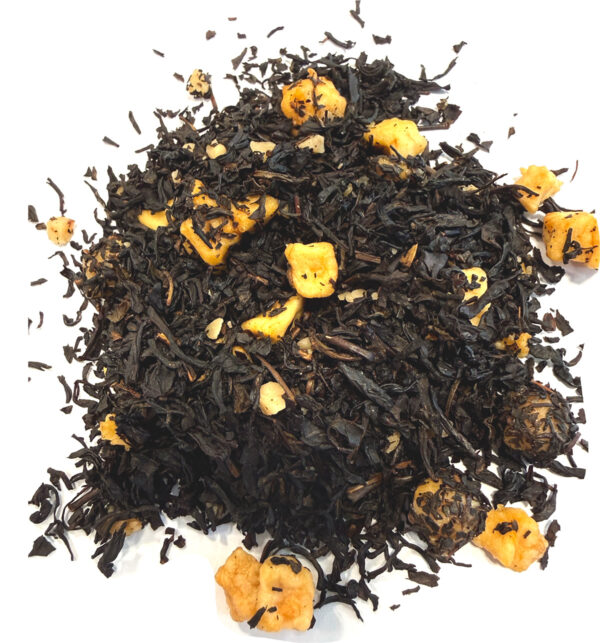
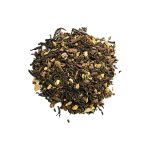
LIMITED TIME . A fall treat – this fall cultured Puerh and added caramel bits, chocolate bits, ginger and cinnamon make it taste like this time of year! Don’t miss out!
Description
Limited Supply Fall Tea
Blender’s Notes Northern Breeze:
When we first introduced our Dark Tea, or Pu-erh, to our customers…it took some time to become popular due to its unique taste and dark, rich flavor…but now there isn’t a day when we don’t introduce it to someone, and they love it. The loose Dark Tea from Yunnan Province in China is aged through microbial fermentation. We sell the Ripe, or shou, Pu-erh, and it pairs well with many of our additions. What is Pu-erh? It is made from the Camellia sinensis plant, the same source as green, oolong, and black teas. Unlike other teas, Pu-erh undergoes microbial fermentation and aging, giving it a deep, earthy taste and probiotic qualities—at times earthy and woody, sometimes sweet—often compared to aged wine or mushrooms. Traditionally sold as compressed “tea cakes” but also available as loose leaves like this blend. Why drink Pu-erh? Weight Loss ~ Pu-erh may reduce fat synthesis and increase fat burning. Cholesterol Support ~ Pu-erh may lower LDL (“bad” cholesterol) and increase bile acid excretion, reducing fat absorption. Gut Health ~ Fermentation introduces probiotics that support healthy gut flora, digestion, and blood sugar control. Cardiovascular Protection ~ Rich in antioxidants (gallic acid, catechins, flavonoids) that may reduce inflammation and protect blood vessels.
Why the unique shape? Tuocha, also known as “dome-shaped bowl tea,” is a tightly compressed tea. It is made from loose raw pu-erh tea (also called ‘maocha’) or pile-fermented maocha. The tuocha shape resembles a bird’s nest. The convex shape of tuocha allows the tea to dry out better during processing. Tuocha originates from Yunnan province in China, known as the birthplace of tea. The 26 ethnic groups living in Yunnan cultivate and enjoy tea in their unique ways. The never-extinguished fire pits in Yunnan households, the rest stops along the postal road and mule caravans, and the clear mountain springs – all carry the unique aroma of Yunnan tea. Tuocha is one of the famous shapes among compressed pu-erh tea. It takes root in the land of Huaxia and originated in Xiaguan, Yunnan. It has a history of over 100 years since its debut. As early as 1902, tea merchants in Xiaguan began researching and developing tuocha based on a type of tea from the Song Dynasty called “Tuancha.” It was successfully finalized in 1917, with a unique shape resembling a bowl-shaped mortar. It’s still unclear how tuocha officially got its name. Some say people in Yunnan habitually refer to round, non-flat objects as “tuo.” Others believe it’s mainly due to the association with the Tuojiang River. It’s said that when tuocha is brewed with water from the local Tuo River, it results in excellent flavor and aroma.
Likely, it’s a combination that gradually allowed the term ‘tuocha’ to be accepted as the official term for dome-shaped pu erh tea. Moreover, the association with the Taijiang River and the Xiaguan tea factory greatly enhanced the tea’s reputation. The molding process involves skilled tea masters who press the leaves into cloth-lined molds. Unlike cakes, no bamboo backing is used. This technique dates back to the Tang Dynasty, making it one of the oldest puerh compression methods. Many collectors prize vintage tuochas for their balanced aging characteristics and distinctive taste profile. Ripe tuocha pu erh tea also has a bowl-shaped appearance with a tight, neat structure, a reddish-brown color, a red and strong soup color, an aged and fragrant aroma, and a mellow, smooth taste. The taste is mellow, refreshing, and lingering, and the tea leaves are tender and evenly distributed, allowing for long-lasting steeping. Exploring the Different Shapes of Pu Erh Tea: Cakes, Bricks, and Tuoch – Cspuerh (Chen Sheng Hao)
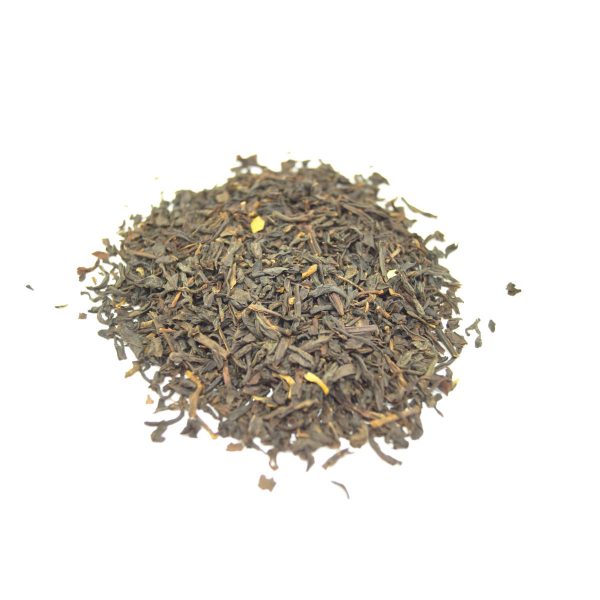
We also included a great Chinese Black Tea called Keemun. Keemun tea, also known as Qimen tea, is a premium variety of Chinese black tea hailing from the Anhui province. This tea is renowned for its unique and complex flavor profile, making it a favorite among tea connoisseurs around the world. First produced in the late 19th century, it quickly became popular in the West and is still used for several classic blends. It is a light tea with characteristic stone fruit and slightly smoky notes in the aroma and a gentle, malty, non-astringent taste reminiscent of unsweetened cocoa. Keemun is said to have floral aromas and woody notes but can be long-soaked for tons of flavor. Among the wide varieties of Keemun, perhaps the most well-known is Keemun Mao Feng (祁門毛峰). Harvested earlier than others and containing leaflets of two leaves and a bud, it is lighter and sweeter than other Keemun teas, which is the variety we carry.
Production Process of Keemun Tea ~ Harvesting and Withering ~ The process of producing Keemun tea begins with the careful selection of tea leaves. Typically, the small, tender leaves from the tea plant (Camellia sinensis) are hand-picked in the early morning. Once collected, the leaves are spread out in a thin layer to wither under the sun or in a well-ventilated room. This step reduces the moisture content of the leaves, making them more pliable and easier to process.
Rolling and Oxidation ~ After withering, the leaves are gently rolled by hand or machine to release the tea’s natural enzymes and essential oils. Rolling also helps to shape the leaves, giving Keemun tea its characteristic twisted appearance. The rolled leaves are then left to oxidize, turning from green to a rich, dark brown color. The level of oxidation determines the final flavor of the tea, with a longer oxidation time resulting in a more robust and full-bodied taste.
Firing and Drying ~ Once the desired level of oxidation is reached, the leaves are fired to halt the oxidation process. This step is crucial in preserving the unique flavor profile of Keemun tea. The leaves are then dried, either in the sun or using specialized machines, to remove any remaining moisture. Finally, the dried leaves are sorted and packaged for sale.
What Does Keemun Tea Taste Like? Keemun tea is prized for its rich and complex flavor profile. The tea boasts a combination of fruity, floral, and smoky notes, with a hint of sweetness. The liquor produced when brewing Keemun tea is a beautiful reddish-brown color, and the aroma is often compared to the fragrance of orchids or roses.
Health Benefits of Keemun Tea ~ Like other black teas, Keemun tea contains a variety of antioxidants and beneficial compounds that contribute to overall health. Some potential health benefits of Keemun tea include: Boosting the Immune System ~ The antioxidants in Keemun tea, particularly catechins and theaflavins, help to protect the body against free radicals and support a strong immune system. Improving Heart Health ~ Regular consumption of black tea, including Keemun tea, has been linked to a reduced risk of developing heart disease due to its antioxidant properties and positive effects on blood pressure and cholesterol levels. Enhancing Cognitive Function ~ The combination of caffeine and L-theanine found in Keemun tea has been shown to improve alertness, focus, and overall cognitive function. Keemun Tea: Taste, Benefits, and How to Make It | Chinese Teas 101
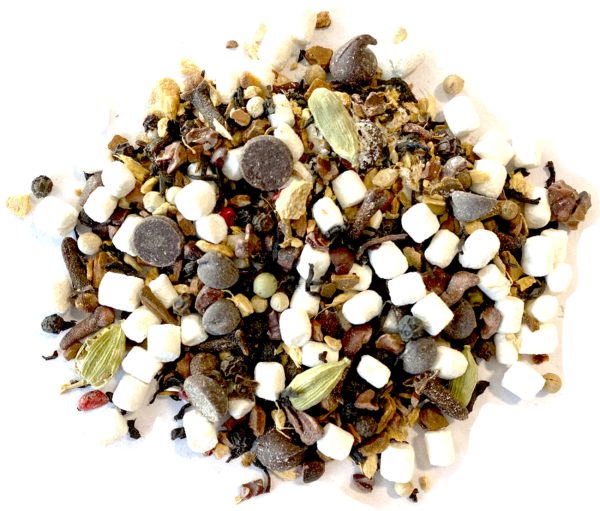
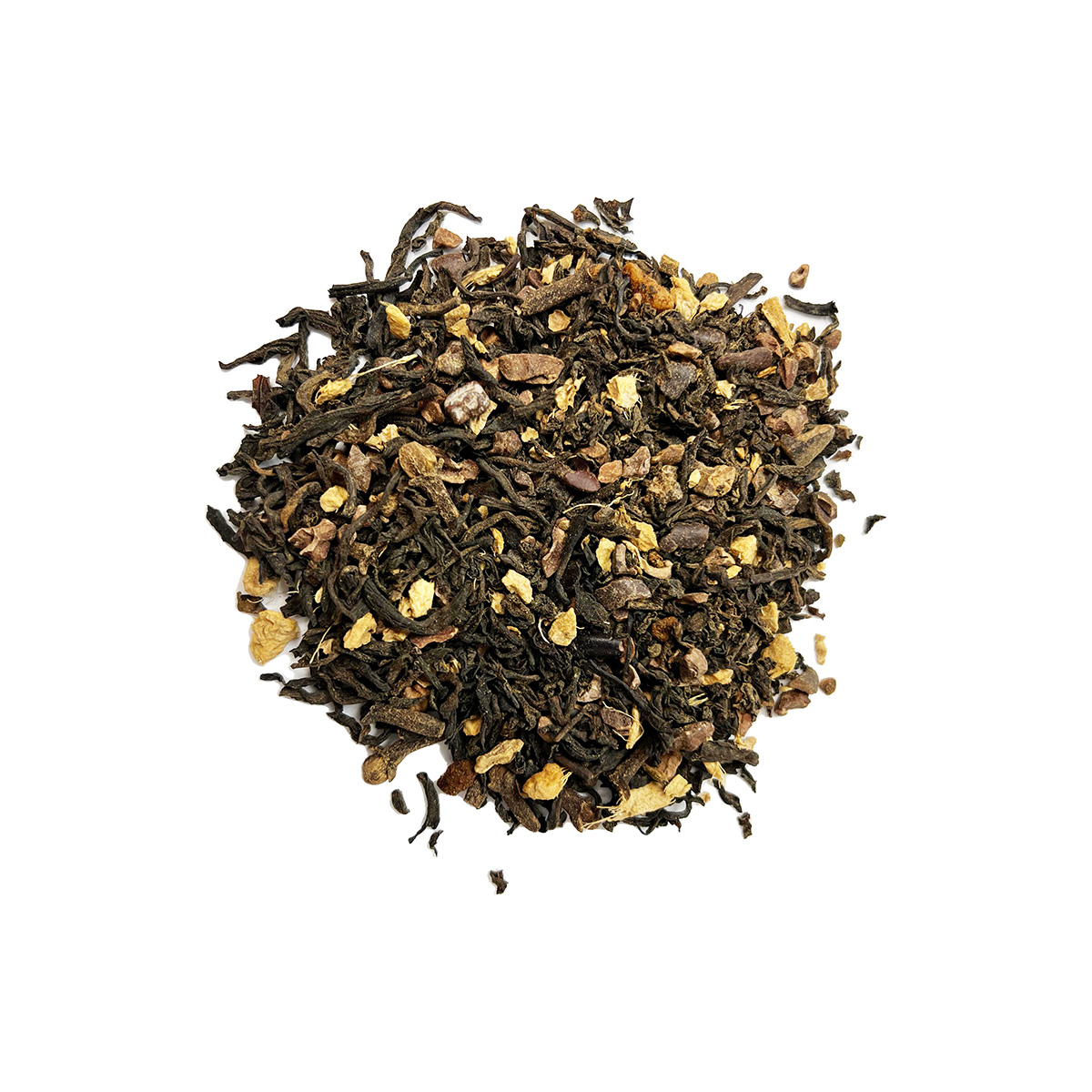
In this combination of Puerh and Chinese Keemum and Sri Lankan Ceylon Black, we hand blended our tea with bits of Caramel and Chocolate. With these great tastes we added a bit of Cinnamon and Ginger making it the perfect tea to sip during the cold days ahead.
Features Northern Breeze:
- Leaves can be infused twice (Double the tea for same price!)
- Leaves can be long soaked giving it even more rich flavor
- Earthy and Woodsy ~ Smooth Taste
- Dark Dark Colour Cup of Tea
- Full of natural antioxidants and Probiotics ~ Metabolism Booster
- Sample Size ~ 1 oz will make 8-10 ~ 16 oz teas
- Sealed Bag ~ 4 oz will make 32-40 ~ 16 oz teas
- Iced Tea ~ Always Double the amount of Tea for the same size cup!
- Per Serving ~ 1 tsp per 6 oz of H2O
- Caffeine: Low
Ingredients: Steep Me Proprietary Organic and Wildcrafted blend of Shou (ripe) Puerh Tea from Yunnan Province in China aged by Microbial Fermentation. These whole, uncompressed tea leaves give a unique flavor and aroma. Black Tea from China (Keemun)& Sri Lanka (Ceylon)enhanced with Dark Chocolate 72% Cacao Mini Chips, Bits of Cacao, Super Cream Mini Caramel Chips, Ginger Root, Rubbed Cloves with the Highest Quality Chocolate & Vanilla Essential Oil
CONTAINS: MILK
Alternatively, try our Cinnamon Dolce Black Tea OR S’more’s Chai Black Tea.
Why Puerh is such a integral part of your Phyto nutrition….http://blog.tutorming.com/expats/what-is-puer-tea-and-why-is-it-a-big-deal
Great Reasons why adding Puerh to your lifestyle is a great option and why Breakfast Berry Pu-erh Tea is a great choice. https://www.healthline.com/health/food-nutrition/pu-erh-tea-benefits
Additional information
| Weight | 4 oz |
|---|---|
| Size | 1 oz sample bag, 1/2 # Bulk Bag, 4oz Sealed Bag |
Benefits