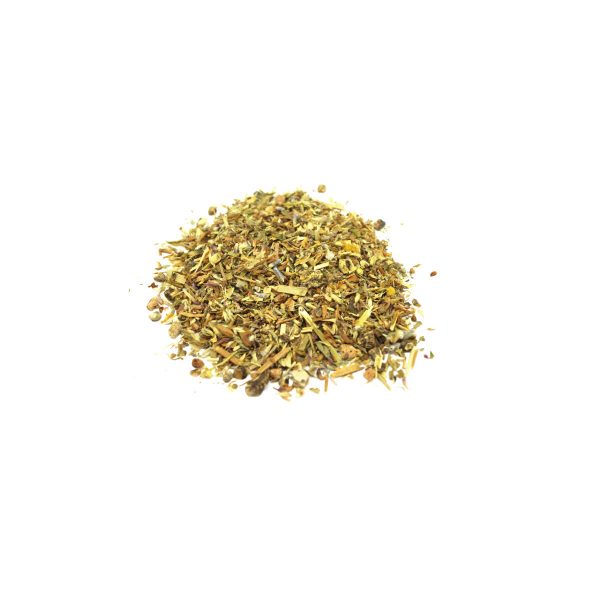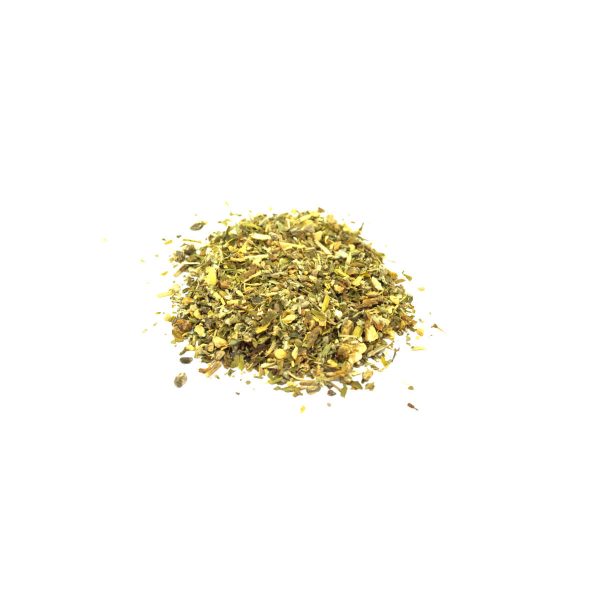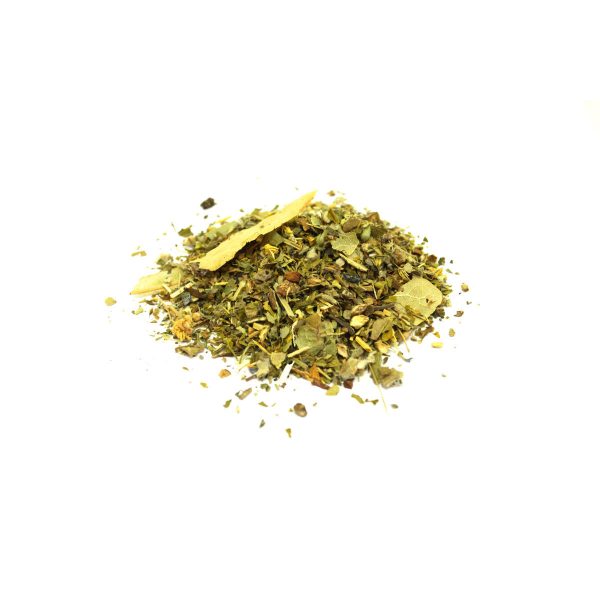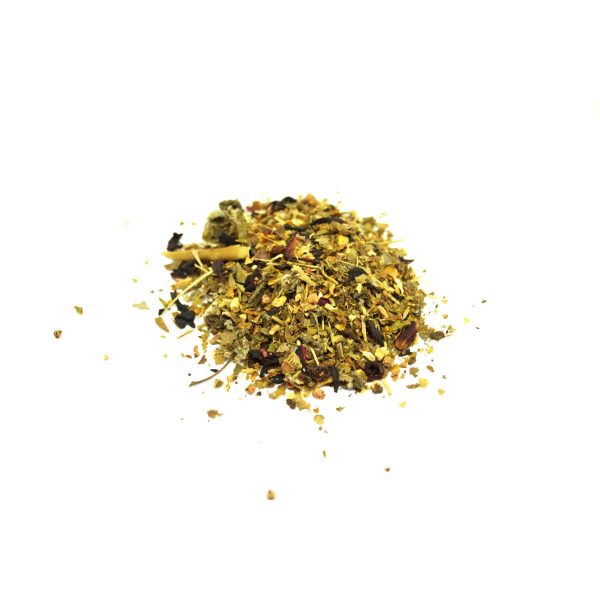




DHEA ~ DHEA-s Capsules
$70.95
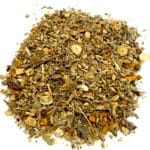
Chronic Obstructive Pulmonary Disease ~ COPD
From: $18.00
Respiratory Mucus ~~ GRAS Certified Ingredients
From: $19.00
Great way to get that stuff out of your lungs!
Description
Blender’s Notes Respiratory Mucus ~~ GRAS Certified Ingredients:
Steep Me Self-Help Tea combinations are a wonderful way to get health benefits outside of the standard tea leaf. This combination of herbs helps the body with any type of help start to remove the excess mucus buildup in the lungs and start to eliminate them. This blend has two expectorants to help cough out the yuck. What is Mucus? Mucus is a slippery fluid that lines your respiratory, digestive, urinary, and reproductive tracts. It acts like a shield to keep out harmful germs (pathogens) while also letting in things your body needs, like oxygen and nutrients. It also lubricates and moisturizes organs and structures in your body. You might know mucus by one of its other names, like snot, phlegm, or sputum. And you only think about it when you are trying to get rid of it — like when there is far too much mucus dripping from your nose or clogging your throat. But mucus is an important part of your immune system that is constantly putting itself in harm’s way to keep you safe. Mucus has a lot of important jobs, including Blocking germs and harmful particles from getting into your body’s tissues. Housing antibodies to disable and mark germs for destruction by immune cells. Trapping things that could harm you and move them out of your body. Moisturizing your mucous membranes (mucosa) — the parts of your body that open to the outside world. Lubricating your mucous membranes. This helps various parts of your body perform distinct functions. For instance, it helps food move through your digestive tract and provides a way for sperm to get to an egg for fertilization in your reproductive tract (cervical mucus). Mucus is usually clear, thin, and slippery. If you have a respiratory or sinus infection, the mucus coming out of your nose or throat may be thick, sticky, and creamy white. Dead cells, germs, tobacco smoke, and other substances in your mucus can change its color. Mucus colors include White, cream-colored, or light yellow. When your mucus gets dense and appears white or creamy, it usually means you are fighting a cold or other viral infection. The color and thickness come from immune cells fighting the infection. Bright yellow or green. This is also usually a sign of infection. Based on your other symptoms and how long they have gone on, it could mean you have sinusitis, or a bacterial infection in your sinuses. Red or pink. Blood can make your mucus pink-tinged or streak it with red. You might have blood in your mucus if your nose is dried out or irritated. Small blood vessels in your nose can burst and leak blood. Brown. Air pollution or smoking can cause brown mucus. It also could be a sign of infection. Black. This can be something you inhaled, but it can also be a sign of a serious fungal infection. Mucus: Phlegm, Causes, Colors & How to Get Rid of It
We started this blend with Peppermint. Peppermint (Mentha × piperita) can help relieve lung congestion and reduce mucus with its active compound, menthol which produces a cooling sensation that can ease throat irritation and promote a subjective feeling of clearer breathing by stimulating cold-sensitive receptors in the airways which can make mucus feel thinner and easier to expectorate. Peppermint also has mild antispasmodic properties that can relax smooth bronchial muscle, helping to reduce coughing and wheezing associated with congestion. Additionally, peppermint contains volatile oils and terpenes with modest antimicrobial and anti-inflammatory activity, which can help reduce airway inflammation and limit microbial contributors to excessive mucus production. We also added Gynostemma (Gynostemma pentaphyllum) because it contains saponins (gypenosides) and flavonoids with anti-inflammatory and antioxidant properties that can help reduce airway inflammation and oxidative stress—both contributors to excess mucus production and prolonged congestion. Gynostemma has mild expectorant and adaptogenic effects reported in traditional use and some preclinical studies, which can promote mucus clearance and improve respiratory resilience during acute respiratory irritation. Additionally, its bronchodilatory and antitussive actions show its potential to relax bronchial smooth muscle and reduce cough reflex sensitivity, further easing symptoms of congestion. Licorice root (Glycyrrhiza glabra) was included because it contains flavonoids and glycyrrhizin which have anti-inflammatory effects that can reduce airway inflammation driving excess mucus production. Its demulcent compounds coat and soothe irritated mucous membranes in the throat and airways, easing cough and discomfort, plus Licorice Root has mild expectorant properties which can help loosen and facilitate the expulsion of mucus. It also has antitussive and spasmolytic effects which can reduce cough frequency and relax bronchial smooth muscle, improving breathing comfort. Licorice also exhibits modest antiviral and antimicrobial activity which can help when infections contribute to mucus and congestion. Mullein (Verbascum spp.) was added because of its demulcent mucilage can soothe and coat irritated mucous membranes in the throat and airways, which can reduce coughing and discomfort. Mullein has expectorant properties that can help loosen and mobilize mucus for easier clearance and its mild anti-inflammatory benefits can lessen airway inflammation that contributes to excess mucus production. Plus, Mullein has antimicrobial compounds that help limit microbial contributors to respiratory irritation. Thyme (Thymus vulgaris) was included because it can help relieve lung congestion with thymol and carvacrol that have mild antimicrobial properties that can reduce bacterial or fungal contributors to respiratory irritation. Thyme has expectorant and mucolytic effects that can loosen and thin mucus, making it easier to cough up plus its antispasmodic and bronchodilatory actions can relax bronchial smooth muscle and reduce cough reflex sensitivity, improving breathing comfort. Thyme also has anti‑inflammatory and antioxidant constituents can lessen airway inflammation that drives excess mucus production.
Next, we added in Oregano. Oregano (Origanum vulgare) is rich in carvacrol and thymol—have antimicrobial activity that can curb bacterial or fungal contributors to respiratory irritation, and its expectorant and mild mucolytic effects can help loosen and thin mucus for easier clearance. Oregano has anti‑inflammatory and antioxidant qualities which can reduce airway inflammation that drives excess mucus production and bronchodilatory or antispasmodic effects observed in some studies can relax bronchial smooth muscle and decrease cough reflex sensitivity, improving breathing comfort. Strawberry leaf (from Fragaria spp.) is traditionally used in herbal medicine contain tannins and flavonoids in the leaves can help tone and slightly reduce secretions on mucous membranes, potentially lessening excessive mucus in the upper airways, while anti‑inflammatory constituents can reduce irritation that contributes to coughing and mucus production. Mild demulcent effects can soothe irritated throat tissues, and antioxidant compounds can help limit oxidative stress in inflamed airways. Lungwort (Pulmonaria spp.) has a long history in traditional herbal medicine for respiratory complaints because of its mucilaginous compounds can have a soothing, demulcent effect on irritated throat and airway mucosa, helping reduce cough reflex sensitivity and discomfort. It has mild expectorant properties traditionally attributed to the herb that aid in loosening and mobilizing mucus for easier clearance. Its anti‑inflammatory and antioxidant constituents (such as phenolic compounds and flavonoids) can help lessen airway inflammation that contributes to excess mucus production, and some extracts show mild antimicrobial activity which can theoretically limit infectious drivers of mucus. Marshmallow leaf (Althaea officinalis) can function as a demulcent to coat and soothe irritated mucous membranes in the throat and airways, reducing cough reflex sensitivity and discomfort. This soothing coating can make mucus feel less irritating and can facilitate expectoration when combined with gentle expectorant measures. Marshmallow also contains mild anti‑inflammatory and antioxidant constituents that can reduce airway inflammation that contributes to excess mucus production. We added Self-heal (Prunella vulgaris) because it can offer modest supportive benefits for lung congestion and mucus with its flavonoids, rosmarinic acid, and other phenolic compounds which have anti‑inflammatory and antioxidant effects that can help reduce airway inflammation and oxidative stress—both contributors to excess mucus production. It also has mild antiviral and antimicrobial activity that can limit infectious drivers of respiratory irritation. The demulcent and soothing properties of Self-Heal can ease throat irritation and decrease cough reflex sensitivity, while modest expectorant effects can help loosen mucus for easier clearance. WE also added in Ginseng which has anti‑inflammatory, immunomodulatory, and antioxidant constituents—ginsenosides and other phytochemicals which can reduce airway inflammation that contributes to excess mucus production and can enhance mucosal immune defenses against respiratory pathogens that provoke congestion. Ginseng can shorten the duration or severity of upper respiratory infections, and it has mild adaptogenic effects that can improve overall respiratory resilience during illness.
This blend also included Lobelia. Lobelia (Lobelia inflata) was also included because it can help with lung congestion and mucus primarily through its alkaloid lobeline, which can function as a mild respiratory stimulant and an expectorant—potentially loosening and helping mobilize mucus from the airways. By producing bronchodilatory and antispasmodic effects that can ease bronchial constriction and reduce coughing. Rosemary (Rosmarinus officinalis; Salvia rosmarinus) was added because it contains essential oils (including 1,8‑cineole, camphor, and borneol) that have mild expectorant and mucolytic effects that can help loosen and mobilize mucus for easier clearance. Its anti‑inflammatory and antioxidant compounds (rosmarinic acid and other phenolics) can reduce airway inflammation that contributes to excess mucus production, and Rosemary has modest antimicrobial activity which can help limit microbial drivers of respiratory irritation. Horehound (Marrubium vulgare) was included because it contains bitter compounds and flavonoids in the herb that exert mild expectorant effects that can loosen and mobilize mucus for easier clearance. Plus, it has demulcent and soothing properties which can reduce throat irritation and cough reflex sensitivity. Horehound has anti‑inflammatory constituents which can help lessen airway inflammation that contributes to excess mucus production and antimicrobial can limit infectious contributors to congestion. English ivy (Hedera helix) was included because it contains saponins (notably hederacoside C) that exhibit expectorant and mucolytic effects that can thin and loosen bronchial secretions to facilitate coughing up mucus. English Ivy contains anti‑inflammatory and bronchodilatory effects that can reduce airway inflammation and relax bronchial smooth muscle, easing breathing and decreasing cough frequency. And it has mild antimicrobial properties shown in laboratory tests and can help limit infectious contributors to respiratory irritation. Osha root (Ligusticum porteri) was added because it contains volatile oils and phenolic compounds which provide massive expectorant effects that can loosen and help mobilize mucus from the airways, while mild antimicrobial constituents can reduce microbial contributors to respiratory irritation. It also contains anti‑inflammatory and soothing properties which can lessen airway inflammation and irritation that drive excess mucus production and coughing. We also added Echinacea. Echinacea (primarily Echinacea purpurea and E. angustifolia) can help with lung congestion and mucus by modulating immune responses and reducing the severity or duration of upper respiratory infections that drive excess mucus production. Its polysaccharides, alkamides, and caffeic‑acid derivatives have immunomodulatory and mild anti‑inflammatory effects that can help the body clear pathogens and reduce airway inflammation. Plus, echinacea may decrease symptom severity or shorten colds, indirectly lessening congestion, and mucus.
We also added Eucalyptus because it aids lung congestion and mucus chiefly through its volatile oil, rich in 1,8‑cineole (eucalyptol), which produces mild mucolytic and expectorant effects that help thin and loosen bronchial secretions, making mucus easier to clear. Its vapors also stimulate cold‑sensitive receptors in the airways, creating a subjective sensation of clearer breathing and temporarily reducing throat irritation. Eucalyptus exhibits anti‑inflammatory and antioxidant properties that can lessen airway inflammation contributing to excess mucus, and it has modest antimicrobial activity in laboratory studies that can help limit some infectious drivers of respiratory symptoms. Black cumin (Nigella sativa) was added because it can support mucus relief due to its active compound thymoquinone and other phytochemicals which have anti‑inflammatory and antioxidant effects that can reduce airway inflammation that drives excess mucus production. Black Cumin contains bronchodilatory and spasmolytic properties which can relax bronchial smooth muscle, ease breathing, and reduce cough frequency. It contains mild antimicrobial and immunomodulatory actions which can help limit or modulate infectious contributors to respiratory irritation and expectorant effects can aid mucus mobilization and clearance. Garlic (Allium sativum) was added because it contains allicin and other sulfur compounds which have antimicrobial and antiviral activity that can help reduce infectious contributors to respiratory irritation. Garlic’s anti‑inflammatory and antioxidant effects may lessen airway inflammation that drives excess mucus production. Garlic is a mild expectorant the warming, irritating action of garlic can promote mucus loosening and clearance when in tea form. Garli has an immunomodulatory effect which may support host defense during upper respiratory infections, potentially shortening symptom duration. Elecampane (Inula helenium) was added because it can help with lung congestion because it contains inulin, sesquiterpene lactones (including alantolactone), and essential oils that have traditionally been used as expectorants and mucolytics to loosen and mobilize bronchial secretions for easier clearance. It also has anti‑inflammatory and spasmolytic qualities that can reduce airway irritation and relax bronchial smooth muscle, easing cough and dyspnea. Elecampane has mild antimicrobial and antiparasitic which can help limit infectious contributors to respiratory symptoms; and demulcent components can soothe irritated mucous membranes in the throat. Finally, we added Plantain. Plantain (Plantago) contains mucilage which acts as a demulcent that coats and calms irritated mucous membranes in the throat and airways, which can reduce cough reflex sensitivity and discomfort and make secretions feel less irritating. It also has mild expectorant properties which can help loosen and mobilize mucus for easier clearance. It also contains flavonoids and other phenolics that exert anti‑inflammatory and antioxidant effects that can lessen airway inflammation driving excess mucus production, and modest antimicrobial activity.
We have been pairing this blend with our Virus Tea to ensure a complete option for any combination of ailments tied to this common occurrence.
~~This product has been officially lab tested and meets the requirements for GRAS (General Regarded as Safe) Testing ~ a designation directed by the FDA for food and supplements. Public Health Microbiology Foundation evaluated it, and they officially consider this product a “non-TCS commodity” and is safe as a human food product & human dietary supplement~~
NOTE: “This/these claim(s) have/have not been evaluated by the Food and Drug Administration. This product is not intended to diagnose, treat, cure or prevent any disease.”
Features Respiratory Mucus ~~ GRAS Certified Ingredients:
- Leaves can be infused all day! (They will not get bitter)
- Lots of individual flavor based on the ingredients
- All Wildcrafted Herbs
- All Organic where Wildcrafted is not available
- Earthy and Herby
- Full of natural antioxidants
- Sample Size ~ 1 oz will make 8-10 16 oz teas
- Sealed Bag ~ 4 oz will make 32-40 16 oz teas
- Iced Tea ~ Always Double the amount of Tea for the same size cup!
- Per Serving ~ 1 tsp per 6 oz of H2O
- Recommend 3 tsp Per Day – resteep leaves 2-3 times
- Caffeine: None
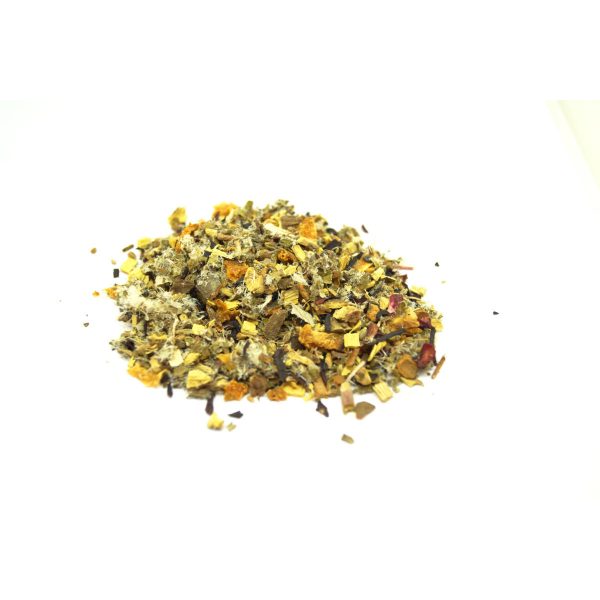
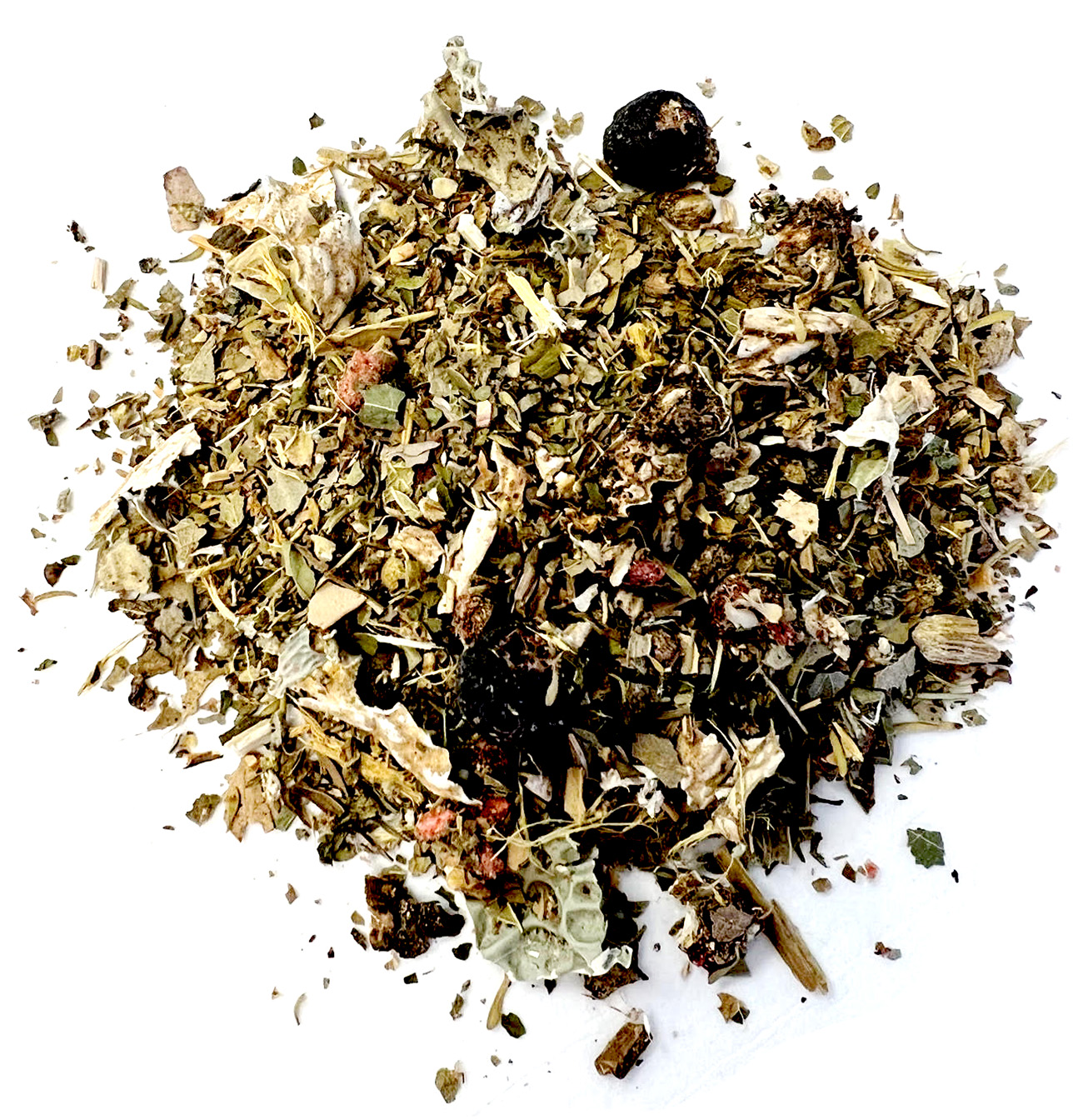
Ingredients: Steep Me Proprietary Organic and Wildcrafted Blend of Peppermint Leaf, Gynostemma, Licorice Root, Mullein, Thyme, Oregano, Strawberry Leaf, Lungwort, Marshmallow, Self-Heal, Ginseng Root, Lobelia, Rosemary, Horehound, English Ivy, Osha Root, Echinacea, Eucalyptus, Black Cumin Seed, Garlic Granules, Elecampane and Plantain.
Alternatively, try our Virus Phyto~Nutrition Capsules OR Virus Phyto~Nutrition Tincture OR Bronchial Virus Phyto~Nutrition Tea OR Virus Blaster Micro~Nutrition Capsules OR Kick Ur Kold Phyto~Nutrition Tea OR Throat Therapy Phyto~Nutrition Tea
Not Safe for Pregnancy
Not Safe for Breastfeeding
NOTE: “This/these claim(s) have/have not been evaluated by the Food and Drug Administration. This product is not intended to diagnose, treat, cure or prevent any disease.”
NOTE: These claim(s) have/have not been evaluated by the Food and Drug Administration. The products offered by Steep Me Tea Apothecary -Franchisees – Wholesalers – Influencers or SteepMe.com are not intended to treat, cure, or prevent any illness or disease. If you have or suspect that you have a medical problem, consult with your physician for diagnosis or treatment. All gender specific blends are based on Gender Assigned at Birth. Use herbs as per instructions and always watch for any allergic reactions. You should always carefully read all product packaging and labels. Always consult your physician or health care provider before using any herbal products, especially if you have a medical problem. Steep Me Tea Apothecary and SteepMe.com and/or its proprietors assume no liability for any injury, illness or adverse effects caused by the misuse and/or use of the information or products presented.
“Processed in a facility that also processes food containing milk, egg, fish, peanut, shellfish, soy, tree nuts, wheat, and sesame. May contain traces of milk, egg, fish, peanut, shellfish, soy, tree nuts, wheat, and sesame.”
Additional information
| Weight | 4 oz |
|---|---|
| Size | 1 oz sample bag, 1/2 # Bulk Bag, 4oz Sealed Bag |
Benefits