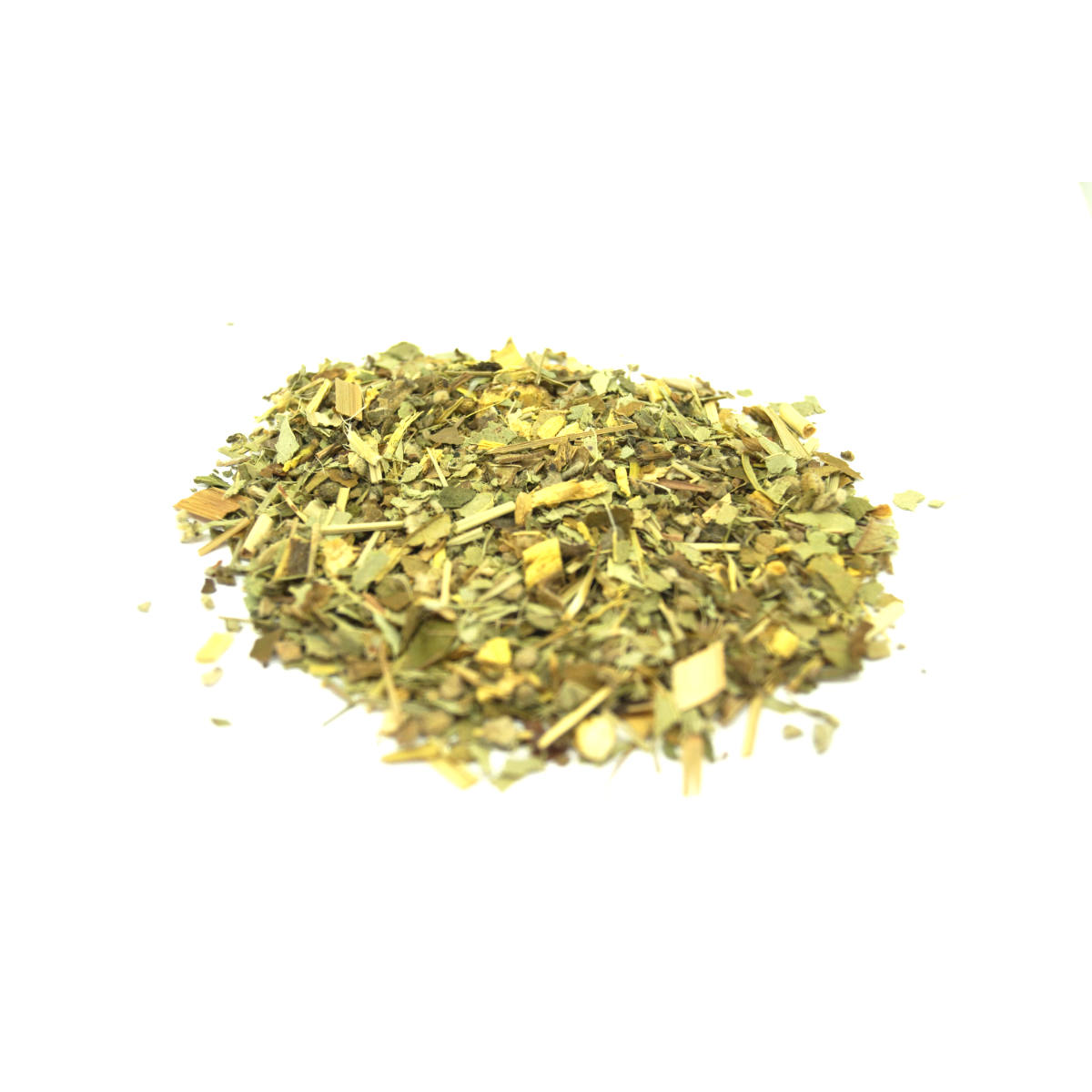
Kick Ur Kold Cold and Flu Relief ~~ GRAS Certified Ingredients
From: $18.00
Looking to get rid of the CRUD…..the Kick Ur Kold is the best way to get rid of it! Safe for little ones….safe for pregnancy….safe for breastfeeding!
Description
Blender’s Notes Kick Ur Kold Cold and Flu Relief ~~ GRAS Certified Ingredients:
Steep Me Self-Help combinations are a wonderful way to get health benefits beyond standard tea leaf. In this herb combination, we wanted to offer a blend to help manage cold and flu symptoms as you work through your illness, not eliminate them. What is the common cold? A cold is a contagious upper respiratory infection that affects your nose, throat, sinuses, and windpipe (trachea). You may have heard that the common cold is a coronavirus. In fact, more than 200 diverse types of viruses can cause a cold. The most common cold virus is the rhinovirus. We call colds “common” because, as their name implies, they are widespread. You will have more colds in your lifetime than any other illness. Adults catch two to three colds a year, while young children catch a cold four or more times a year. What are the symptoms of common colds? Common cold symptoms typically appear in stages. The common cold stages include early, active, and late. Stage 1: Early (Days 1 to 3). Within one to three days of picking up a cold virus, you may notice a tickle in your throat. About half of all people with colds report a tickle or sore throat as their first symptom. Other common early cold symptoms include Sneezing. Runny nose. Stuffy nose (nasal congestion). Cough. Stage 2: Active (Days 4 to 7). Symptoms typically worsen or peak during this stage. In addition to the symptoms in stage 1, you may experience: Body aches. Headache. Runny eyes and nose. Fatigue. Fever (more common in children). Stage 3: Late (Days 8 to 10). Colds usually begin to wind down during this stage. You may be free and clear at this point. But some symptoms can persist. Some people develop a nagging cough that can last up to two months after a respiratory infection. If your symptoms worsen and/or your fever returns, see a healthcare provider. You may have developed another infection or a complication, such as bronchitis, sinusitis, or pneumonia. Common cold vs. flu — what is the difference? It can be hard to tell whether you have a cold or the flu because many symptoms overlap. Both are widespread during the colder months and affect your upper respiratory system. But different viruses cause colds and flu. The influenza virus causes the flu, while many other viruses cause colds. The main difference between a cold and the flu is that you are more likely to have a fever and chills with the flu. Adults do not usually get a fever with a common cold, although kids sometimes do. The flu also causes body aches and more severe symptoms than a cold. Although both the cold and flu can lead to complications, flu complications can be life-threatening.
Common Cold: Symptoms, Cold vs. Flu, Treatment (clevelandclinic.org)
In this blend, we used a large amount of Lemon and Orange Peel. Orange Peel contains hesperidin, naringenin, and nobiletin, which boost immunity and fight viral infections. Orange peel tea helps clear the lungs and phlegm, easing chest congestion, and it can reduce oxidative stress and inflammation, supporting faster recovery. Lemon Peel can strengthen immune response and supports collagen repair in mucous membranes. It contains oils (limonene, citral) with antibacterial and antiviral effects that help fight respiratory pathogens, reduce mucus buildup, and support liver detox, indirectly aiding immune resilience. Next, we added Ginger. As a Remedy Ingredient, ginger contains gingerols, which reduce pharyngitis and soothe throat pain. It acts as a mucolytic, thinning mucus and clearing airways. Ginger relaxes bronchial muscles, easing breathing and coughs. Ginger also helps calm nausea often accompanying the flu, and its warming, analgesic properties help reduce fever and muscle soreness. As a Prevention Ingredient, ginger stimulates immune cells (macrophages, NK cells) and regulates cytokines, enhancing resistance to viral infections. It also neutralizes free radicals, reducing oxidative stress that weakens immunity. Ginger inhibits replication of cold and flu viruses and bacteria, and its thermogenic effect increases blood flow, helping strengthen the immune system. Cinnamon offers supportive benefits. Its compounds (like cinnamaldehyde) provide antiviral, antibacterial, antifungal, anti-inflammatory, and antioxidant effects, which can help ease sore throat, reduce congestion, thin mucus, and support immune function. As a Remedy Ingredient, Cinnamon soothes throat irritation, reduces swelling, and has a natural warming effect that calms persistent coughs. Cinnamon acts as an expectorant, thinning phlegm, opening airways, and helping drain mucus to relieve nasal congestion. Its warming properties promote circulation and sweating, easing chills and aches. As a Prevention Ingredient, Cinnamon is rich in antioxidants and polyphenols; it supports immune defense against viral infections and shows antiviral, antibacterial, and antifungal activity, helping reduce pathogen load while reducing airway inflammation and lowering susceptibility to respiratory infections. Eucalyptus was also included because it is a potent natural remedy for colds and flu. Its main active compound, 1,8-cineole (eucalyptol), provides antiviral, antibacterial, anti-inflammatory, and decongestant effects. It helps clear mucus, soothe sore throats, ease coughs, reduce fever, and even prevent airborne viral spread when diffused. As a Remedy Ingredient, it acts as a mucolytic, breaking down mucus and clearing nasal passages. It has antispasmodic properties that calm persistent coughs. Eucalyptus has anti-inflammatory and analgesic effects that soothe throat irritation and body aches. It helps lower fever by improving circulation and clearing congestion, and it eases sinusitis and bronchial inflammation. As a Prevention Ingredient, Eucalyptus contains cineole, which has been shown to deactivate flu viruses and reduce viral load in the air. It also boosts immune response, helping the body resist infections, and eucalyptus can kill airborne pathogens, reducing risk of transmission. We also added Licorice Root. Licorice root (Glycyrrhiza glabra) is a traditional herbal remedy for colds and flu. Its active compound, glycyrrhizin, provides antiviral, anti-inflammatory, expectorant, demulcent, and immune-boosting effects, making it useful for both remedy (symptom relief) and prevention (immune support). As a Remedy Ingredient, Licorice root’s mucilage coats the throat, soothing irritation and reducing pain. Licorice Root also acts as an expectorant, thinning mucus and easing bronchial inflammation. It also reduces airway inflammation, which helps with bronchitis, asthma, and flu-related congestion. Its anti-inflammatory properties ease throat pain and systemic discomfort. As a Prevention Ingredient, Licorice Root disrupts viral replication, showing activity against influenza and respiratory viruses. It also enhances interferon production and stimulates immune cells, strengthening defenses against infections. Plus, Licorice Root neutralizes free radicals, reducing oxidative stress that weakens immunity.
Borage was added because it provides anti-inflammatory, expectorant, antioxidant, and antiviral effects, helping to relieve cough, fever, and congestion while also supporting immune resilience. As a Remedy Ingredient, Borage leaves and flowers contain mucilage, which acts as an expectorant to clear mucus from the lungs and throat. Borage induces sweating (diaphoretic), helping lower fever during flu. Borage has demulcent properties that soothe throat irritation and reduce inflammation, and it supports respiratory health by clearing nasal passages and easing asthma, bronchitis, and flu-related congestion. As a Prevention Ingredient, Borage is rich in antioxidants (vitamin C, beta-carotene, polyphenols) that strengthen defenses against viral infections. Because Borage contains Gamma-linolenic acid (GLA) and omega-3/6 fatty acids, it reduces airway inflammation and lowers susceptibility to respiratory illness. Borage also contains oils (carvacrol, thymol, eugenol) that have activity against influenza viruses. Next, we added English Ivy. English ivy (Hedera helix) leaf extract is widely used in Europe for coughs, bronchitis, and respiratory infections. It works by thinning mucus, easing congestion, reducing inflammation, and supporting lung function, making it helpful both as a remedy (symptom relief) and prevention (respiratory support during flu season). As a Remedy Ingredient, Ivy leaf thins mucus, promotes clearance from the lungs, and supports airway relaxation, improving airflow and easing breathing difficulties. English Ivy reduces cough severity and frequency in both adults and children and works well for bronchitis, asthma, COPD, and flu-related congestion. As a Prevention Ingredient, it contains saponins and flavonoids that reduce oxidative stress and airway inflammation. English Ivy helps regulate inflammatory cytokines (like IL-6), supporting resilience against respiratory infections. Lemongrass (Cymbopogon citratus) was included because it is a traditional herbal remedy for colds and flu. Its essential oils (citral, geraniol, limonene) and polyphenols provide antiviral, antibacterial, anti-inflammatory, antioxidant, and immune-supportive effects. It helps relieve fever, sore throat, cough, and congestion, while also strengthening immunity for prevention. As a Remedy Ingredient, it is traditionally used as a febrifuge, promoting sweating to lower fever. Its antimicrobial oils soothe throat irritation and reduce pain. Lemongrass also acts as an expectorant, thinning mucus and easing breathing plus its analgesic properties relieve muscle soreness and flu-related discomfort. Plus, lemongrass calms nausea and upset stomach, which often accompany the flu. As a Prevention Ingredient, it is rich in vitamin C, antioxidants, and flavonoids that enhance immune defense. It contains Citral and limonene, which inhibit viral replication and reduce bacterial load in the respiratory tract. Lemongrass also reduces airway inflammation, lowering susceptibility to respiratory infections, and its mild diuretic effect helps flush toxins, supporting systemic resilience. Next, we also included Echinacea. Echinacea (commonly Echinacea purpurea and Echinacea angustifolia) is one of the most studied immune-supportive herbs for colds and flu. It works by stimulating immune cells, reducing inflammation, and showing antiviral activity, making it useful for both prevention (short-term immune boosting) and remedy (reducing symptom severity and duration). As a Remedy Ingredient, echinacea can reduce the length of colds by 1–2 days when taken at onset. It helps lessen sore throat, cough, and nasal congestion. Echinacea also calms airway inflammation, easing breathing and throat irritation, and offers mild analgesic properties that soothe flu-related headaches and body aches. As a Prevention Ingredient, Echinacea stimulates macrophages and natural killer cells and increases cytokine activity, enhancing early defense against viral infections. Echinacea inhibits influenza and rhinovirus replication, and it is rich in phenolic compounds (cichoric acid, echinacoside) that reduce oxidative stress. Plus, Echinacea strengthens mucous membranes, making it harder for viruses to penetrate.
Rose hips (the fruit of the wild rose, Rosa canina) are rich in vitamin C (fresh rose hips contain up to 426 mg of vitamin C), antioxidants such as Flavonoids, carotenoids (lycopene, lutein, zeaxanthin), and vitamin E, which protect against oxidative stress. It also contains galactolipids, quercetin, and ursolic acid, which reduce inflammation and may boost immunity, reduce cold severity, and support recovery from flu-like symptoms. As a Remedy Ingredient, Vitamin C enhances immune cell activity, helping the body clear infections faster. A Danish clinical study found rose hip extract lowered fatigue, headache, and stiffness in cold sufferers. Anti-inflammatory compounds ease throat irritation, muscle stiffness, and systemic inflammation. Rose hips in tea provide fluids and warmth, easing discomfort. As a Prevention Ingredient, its extremely high vitamin C content supports white blood cell function and mucosal defenses. Studies have shown that rose hip use as prevention: ~43.6% of rose hip users caught a cold vs. 53.4% in placebo ~ Amazing. Rosehip’s flavonoids and carotenoids protect cells, reducing vulnerability to viral infections, and regular intake during winter boosts overall well-being and lowers the risk of respiratory illness. Rosehips work well with elderberry (antiviral), echinacea (immune modulation), and ginger (anti-inflammatory), which are included in this blend. We also added Guava Leaves. Guava leaves contain a range of bioactive compounds, including antioxidants, flavonoids, tannins, and saponins, which contribute to their wide range of health benefits. Guava leaves are rich in antioxidants, such as quercetin, which combat oxidative stress by neutralizing free radicals in the body. This property is particularly beneficial in reducing inflammation, a common underlying factor in many chronic diseases, including arthritis, heart disease, and cancer. Guava also helps thin mucus and disinfect the respiratory tract and lungs while controlling allergic reactions, treating bronchitis, treating infection, maintaining cholesterol levels, preventing diarrhea, controlling glucose levels, detoxifying the body, maintaining oral health, promoting cardiovascular health, promoting weight loss, and treating skin acne. As a Remedy Ingredient, Guava leaf tea reduces sore throat, cough, and congestion due to antibacterial and anti-inflammatory effects. Guava Leaf contains Vitamin C, and antioxidants help the body fight infections more efficiently. Anti-inflammatory compounds ease systemic symptoms, and as a warm tea, it can soothe mucous membranes and provide necessary fluids. As a Prevention Ingredient, guava leaf tea boosts white blood cell activity and mucosal defenses. It helps prevent respiratory infections by inhibiting pathogen growth, and its polyphenols and flavonoids reduce oxidative stress, lowering vulnerability to viral attacks. Consistent use during winter reduces the risk of colds and flu, and it works well with rose hips (vitamin C), lemon peel (antimicrobial oils), and ginger (anti-inflammatory), which are included in this blend. Lemon verbena (Aloysia citrodora) is valued for its antioxidant, anti-inflammatory, antimicrobial, and calming properties. Lemon Verbena contains verbascoside, geranial, neral, luteolin, and limonene, which protect against oxidative stress. It has also been shown to reduce markers like C-reactive protein and interleukin-6, and it exhibits antibacterial activity, including against Staphylococcus aureus. Although it is traditionally used for indigestion, spasms, and bloating, it also helps with cold and flu symptoms. Lemon Verbena has sedative and anxiolytic effects, improving sleep quality and can manage body aches. As a Remedy Ingredient, it will help loosen mucus and ease breathing. It can be used as a fever reducer (febrifuge), and in tea form, it will promote sweating to lower temperature. It has anti-inflammatory compounds that ease throat irritation and systemic aches. It can neutralize free radicals generated by infection, reduce fatigue, and help reduce stress and improve rest to support recovery. As a Prevention Ingredient, it contains Phenolic compounds that strengthen defenses against pathogens. Lemon Verbena protects cells from oxidative stress, lowers vulnerability to viral infections, supports lung health, and reduces the risk of congestion. Daily use during winter enhances overall resilience, lowers infection risk, and works well with rose hips (vitamin C), ginger (anti-inflammatory), and echinacea (immune modulation), which are included in this blend.
Next, we added in Mullein. Mullein is a traditional respiratory herb with expectorant, anti-inflammatory, antiviral, and soothing properties. We added it for coughs, bronchitis, asthma, pneumonia, and sore throats. Mullein can loosen and thin mucus, making it easier to expel. Mucilage in leaves and flowers coats mucous membranes, reducing irritation. Mullein is rich in saponins, flavonoids, and iridoid glycosides that protect cells. It contains phenylethanoid glycosides that may help fight influenza A and cold viruses and has been shown to inhibit bacteria like Streptococcus pyogenes and Staphylococcus aureus. It can also support digestion, relieve headaches, aid wound healing, and reduce fluid retention. As a Remedy Ingredient, its expectorant properties thin mucus, ease breathing, and coat irritated tissues, reducing pain and inflammation. Anti-inflammatory and antioxidant compounds ease systemic symptoms and can suppress influenza A and common cold viruses. As a Prevention Ingredient, it supports lung health and reduces the risk of congestion, and its antioxidants and flavonoids enhance defenses against viral infections. Mullein contains phenylethanoid glycosides, which can help prevent viral replication. It helps protect against respiratory pathogens like Streptococcus and Staphylococcus, and having it in tea form can reduce vulnerability to colds and flu. Holy Basil was also included. Holy basil (Tulsi) is an adaptogenic herb that helps enhance white blood cell activity and overall resistance to infections. Holy Basil contains active compounds like eugenol, rosmarinic acid, and apigenin that fight pathogens plus it reduces swelling, pain, and irritation in respiratory and systemic infections. It can help the body manage stress, which indirectly supports immune resilience. It is also used for asthma, bronchitis, and congestion, helping ease those symptoms. Plus, it neutralizes free radicals, reducing oxidative stress during illness. As a Remedy Ingredient, it is a natural fever reducer (febrifuge), promoting sweating and lowering temperature. It has expectorant properties that ease breathing and clear mucus. Holy Basil has strong antiviral and antibacterial effects that help the body fight infection more efficiently; in tea, it calms the body, reduces fatigue, and supports rest during illness. As a Prevention Ingredient, regular use boosts white blood cell activity and antibody response and has been shown to inhibit influenza and other respiratory viruses. Holy Basil protects cells from oxidative stress, lowering vulnerability to seasonal infections; supports lung health, reducing the risk of congestion and bronchitis; and enhances resilience against colds and flu. We also added Lemon Myrtle. Lemon Myrtle (Backhousia citriodora) is a powerful Australian native herb which is rich in citral (70–90%), giving strong antibacterial, antifungal, and antiviral effects. It contains polyphenols and flavonoids that reduce oxidative stress and support immune resilience. Lemon Myrtle can help calm irritation in the respiratory and digestive tracts and can help with bloating, indigestion, and cramps that can accompany a cold or flu. It also has mild sedative effects that support relaxation and sleep. As a Remedy Ingredient, it contains antimicrobial oils that help soothe irritation, reduce bacterial/viral load, clear mucus, and open airways. Its anti-inflammatory compounds ease systemic symptoms, protect your cells during infection, reduce fatigue and oxidative stress, and, as a tea, hydrate, soothe, and provide symptomatic relief. As a Prevention Ingredient, Citral-rich oils enhance defense against respiratory pathogens. Lemon Myrtle has been shown to inhibit influenza and other viral activity while it reduces oxidative stress, lowering vulnerability to seasonal infections. Black cumin (Nigella sativa, also called black seed) is rich in thymoquinone, which enhances white blood cell activity and antibody response while fighting pathogens including influenza and respiratory bacteria. Black Cumin can help with swelling, pain, and irritation in respiratory and systemic infections while neutralizing free radicals and lowering oxidative stress. As a Remedy Ingredient, it acts as an expectorant, loosening mucus, easing breathing, and soothing sore throats. Black Cumin thymoquinone helps lower systemic inflammation and fever, and its antiviral properties reduce the severity and length of cold/flu symptoms. As a Prevention Ingredient, it boosts immune defenses and antibody production and inhibits influenza and other respiratory viruses. Black Cumin protects cells from oxidative stress, lowers vulnerability to seasonal infections, and supports lung health, reduces wheezing, and improves breathing capacity.
Elderflowers (Sambucus nigra) are traditionally used for respiratory health, immune support, and fever relief. They are rich in flavonoids (quercetin, rutin, kaempferol) that enhance immune response. Elderflowers help reduce swelling and irritation in mucous membranes. They contain strong polyphenols that help neutralize free radicals, lower oxidative stress, and help reduce fever. As a Remedy Ingredient, Elderflowers have diaphoretic actions, promote sweating, and help lower body temperature. It contains expectorant properties that ease mucus buildup in the respiratory tract. It has anti-inflammatory compounds that calm irritation and pain. Elderflowers have antiviral activity and may help reduce the severity of flu and colds. As a Prevention Ingredient, it contains flavonoids and antioxidants, which enhance white blood cell activity. Elderflowers can help prevent viral replication, lowering the risk of seasonal infections, and protect cells from oxidative stress, improving resilience. Bio-Cystek was also added because Amla (Amla/Indian gooseberry) is a natural supplement rich in vitamin C, antioxidants, and bioflavonoids. Bio-Cystek contains polyphenols, bioflavonoids, and tannins that reduce oxidative stress and help enhance white blood cell activity and antibody response. As a Remedy Ingredient, it contains copious amounts of Vitamin C and antioxidants that help the body clear infections more efficiently. It can help reduce symptom severity and support mucous membranes, easing sore throat and nasal irritation. Bio-Cystek helps to fight fatigue, and bioflavonoids reduce systemic inflammation and oxidative stress. As a Prevention Ingredient, daily use can help boost your resilience against viral infections. It protects cells from oxidative damage, lowering vulnerability to seasonal pathogens while maintaining mucosal integrity and reducing the risk of viral entry. Regular use of Bio-Cystek during winter enhances overall immune defense. Next, we added Belladonna. Belladonna relaxes bronchial spasms and cough, reduces pain and discomfort, and can lower a fever. In addition, it can help with a runny nose or excessive mucus, calm restlessness, and aid sleep. As a Remedy Ingredient, it is used in traditional medicine for high fevers and to ease bronchial spasms. It can also help reduce nasal irritation and mucus, and ease headaches and body aches. As a Prevention Ingredient, it has been used to strengthen resistance. Tarragon was also added. Tarragon is rich in polyphenols that reduce oxidative stress, and it contains essential oils (estragole, eugenol) which inhibit bacterial and fungal growth. It helps reduce swelling and irritation in tissues while stimulating appetite and easing indigestion. As a Remedy Ingredient, tarragon soothes irritation in mucous membranes and helps clear mucus while easing systemic symptoms. Tarragon can help fight secondary bacterial infections that may accompany colds/flu, and it provides warmth, hydration, and gentle symptom relief. As a Prevention Ingredient, it strengthens your defenses against pathogens and has been shown to reduce the risk of respiratory infections. Tarragon supports lung and sinus health, lowering vulnerability to seasonal illness and boosting resilience. Tarragon works well with rose hips (vitamin C), elderflower (fever relief), and ginger (anti-inflammatory), all included in this blend.
Self-heal (Prunella vulgaris) is a traditional medicinal herb that contains rosmarinic acid and triterpenoids that inhibit viral replication. Self-Heal is effective against respiratory pathogens like Streptococcus and Staphylococcus and can reduce swelling and irritation in mucous membranes. It contains polyphenols that neutralize free radicals and reduce oxidative stress. As a Remedy Ingredient, its expectorant properties help clear mucus from the respiratory tract, and it reduces fever by promoting sweating and lowering temperature. Plus, Self-Heal has antiviral activity that helps reduce severity and length of colds/flu. As a Prevention Ingredient, the flavonoids and antioxidants enhance white blood cell activity and prevent viral replication, lowering the risk of seasonal infections. It supports lung and sinus health, reduces the risk of congestion, and regular tea use boosts defenses against colds and flu. Next, we added Horehound. Horehound (Marrubium vulgare) is a traditional respiratory herb valued for its expectorant, antimicrobial, and anti-inflammatory properties. IT contains Marrubiin (its main bitter compound), which stimulates mucus clearance, easing cough and congestion, and tastes like it says – Bitter. Horehound has been shown to inhibit bacteria and some viruses, supporting respiratory health and reducing irritation in the throat and bronchial passages. As a Remedy Ingredient, it can help loosen phlegm and ease breathing, reduce irritation and pain in the throat and lungs, clear mucus from lungs and sinuses, and support systemic recovery. As a Prevention Ingredient, it enhances defenses against pathogens, supports lung health, and reduces the risk of congestion. We added in Gynostemma (Jiaogulan, often called “southern ginseng” or the “herb of immortality”) because it is an adaptogenic, antioxidant-rich herb that supports immune strength, respiratory health, and stress resilience. It helps the body cope with stress and maintain balance in cortisol levels. Gynostemma is rich in saponins (gypenosides), flavonoids, and polysaccharides that reduce oxidative stress and enhance T-cell and B-cell activity, supporting defense against infections. While Gynostemma is traditionally used to ease coughs, bronchitis, and asthma, it also helps regulate blood pressure, improve insulin sensitivity and blood sugar balance, and is associated with vitality and healthy aging. As a Remedy Ingredient, Gynostemma has expectorant effects that ease breathing, clear mucus, and reduce irritation in mucous membranes. Its adaptogenic properties help balance stress response, restore energy, inhibit respiratory viruses, and support immune cell activation. Drinking it as a tea hydrates, calms, and provides symptomatic relief. As a Prevention Ingredient, regular use enhances immune resilience and antibody response while protecting cells from oxidative stress, lowering vulnerability to seasonal pathogens. Gynostemma supports respiratory resilience and overall lung health and may reduce the risk of bronchitis or congestion. And finally, we added Plantain. Plantain (Plantago major and Plantago lanceolata) is a traditional medicinal herb used for coughs, bronchitis, sinusitis, and sore throats. Plantain contains aucubin, allantoin, and flavonoids that reduce irritation in mucous membranes. It also has antibacterial and antiviral activity against respiratory pathogens, loosens mucus, and soothes irritated tissues. Plantain contains polyphenols that help neutralize free radicals and works well for diarrhea. As a Remedy Ingredient, its expectorant properties will help clear mucus from lungs and sinuses. Plantain’s demulcent action coats mucous membranes, reducing pain and irritation, and can ease systemic symptoms overall. As a Prevention Ingredient, Plantain contains antioxidants and immune-modulating compounds that enhance defenses against pathogens. Regular use supports lung and sinus health, reducing risk of congestion and helping prevent viral replication, lowering risk of seasonal infections. Drinking plantain tea boosts defenses against colds and flu, and combined with elderflower (fever relief), rose hips (vitamin C), and mullein (lung support), it works wonders; these are included in this blend.
Try this Kick Ur Kold Cold and Flu Relief blend. We have had it in our stores for almost 18 years…and it is safe for pregnant moms, breastfeeding moms, the elderly, and young children – it is a great alternative to traditional cold and flu medicine.
~~This product has been officially lab tested and meets the requirements for GRAS (General Regarded as Safe) Testing ~ a designation directed by the FDA for food and supplements. Public Health Microbiology Foundation evaluated it, and they officially consider this product a “non-TCS commodity” and is safe as a human food product & human dietary supplement~~
NOTE: “This/these claim(s) has/have not been evaluated by the Food and Drug Administration. This product is not intended to diagnose, treat, cure or prevent any disease.”
Features Kick Ur Kold Cold and Flu Relief ~~ GRAS Certified Ingredients:
- Leaves can be infused all day! (They will not get bitter)
- Lots of individual flavor based on the ingredients
- All Wildcrafted Herbs
- All Organic where Wildcrafted is not available
- Sweet and Citrusy
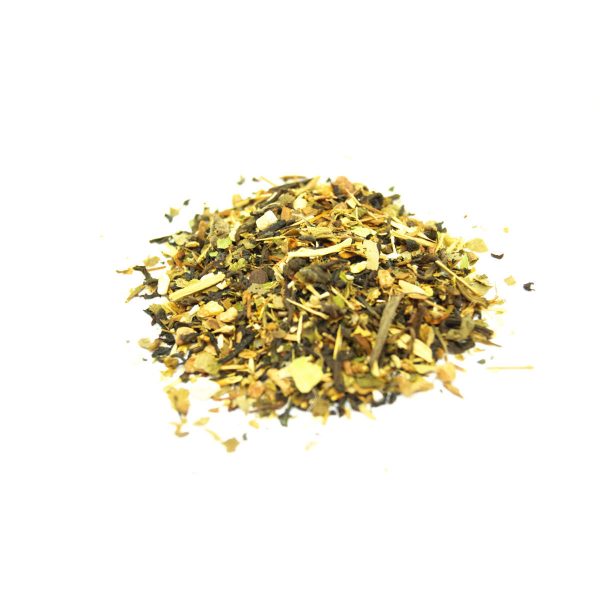
- Light Yellow Colour Cup of Tea
- Full of natural antioxidants and Very Hydrating
- Sample Size ~ 1 oz will make 8-10 16 oz teas
- Sealed Bag ~ 4 oz will make 32-40 16 oz teas
- Iced Tea ~ Always Double the amount of Tea for the same size cup!
- Per Serving ~ 1 tsp per 6 oz of H2O
- Recommend 3 tsp Per Day – resteep leaves 2-3 times
- Caffeine: None
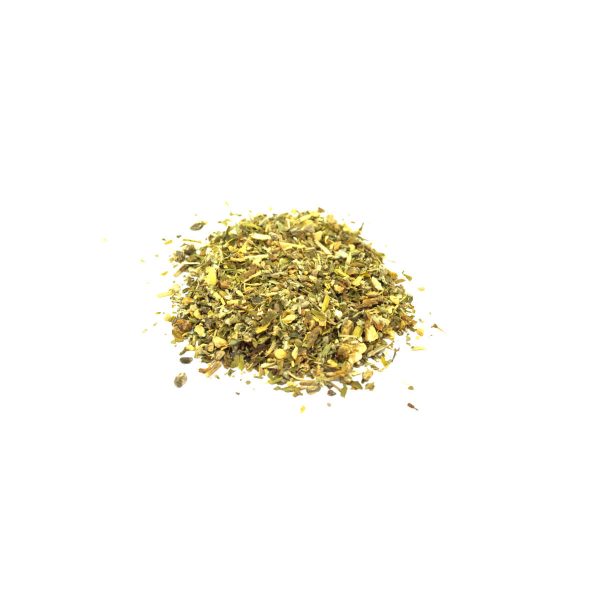
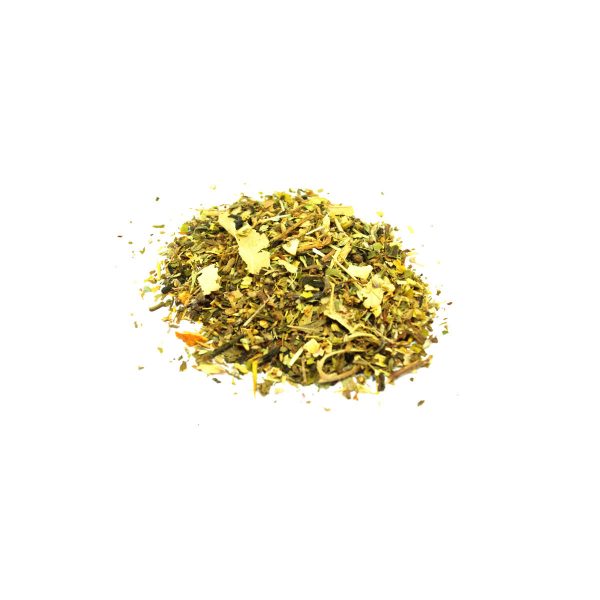
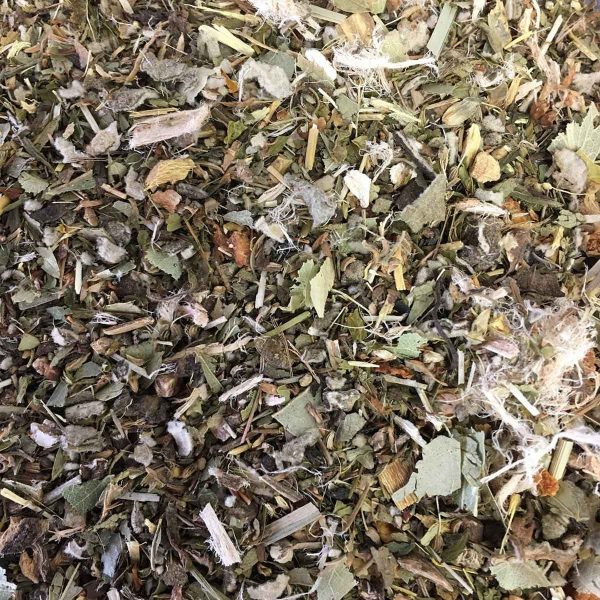
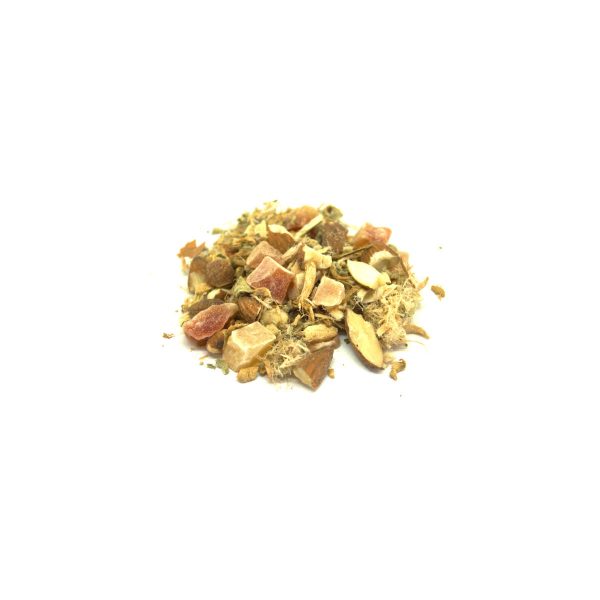
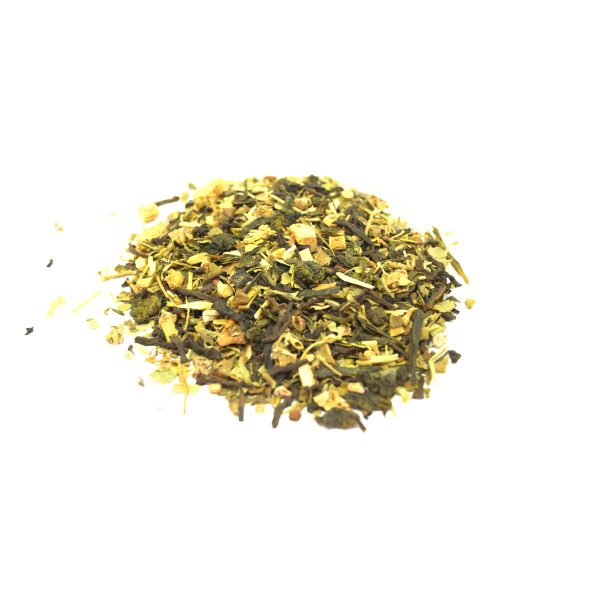
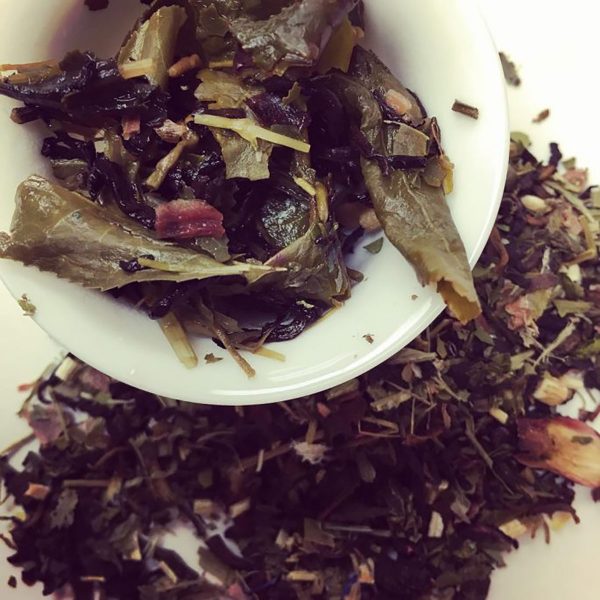
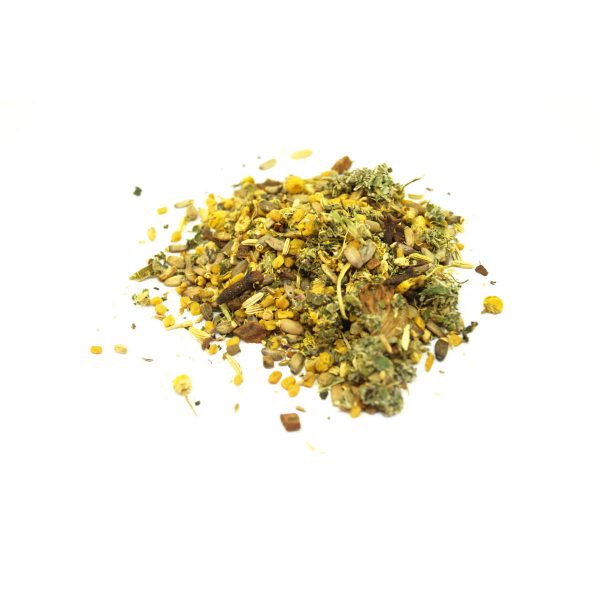
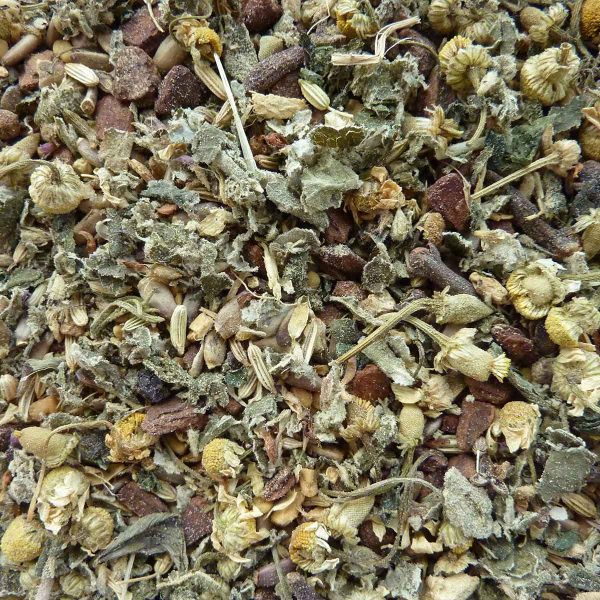
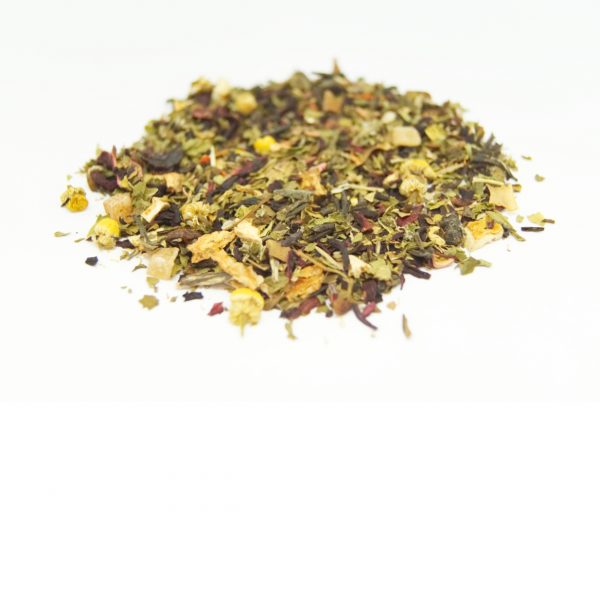
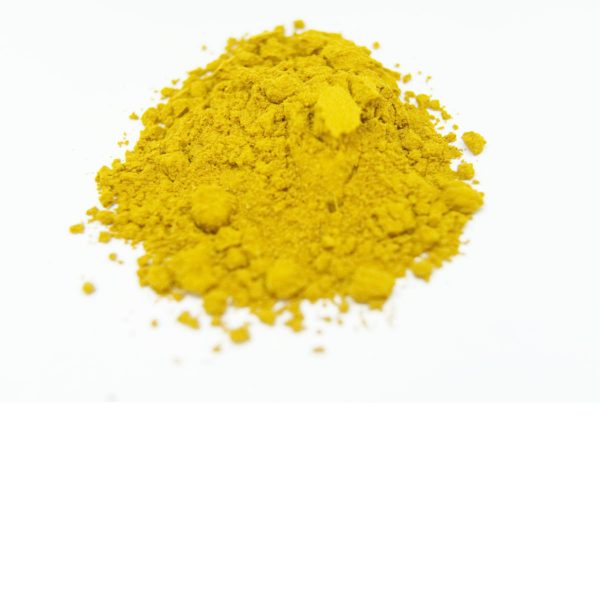
Ingredients: Steep Me Proprietary Organic and Wildcrafted blend of Lemon Peel, Orange Peel, Ginger Root, Cinnamon Chips, Eucalyptus Leaf, Licorice Root, Borage, English Ivy, Lemongrass, Echinacea, Rose Hips, Guava Leaf, Lemon Verbena, Mullein, Holy Basil, Lemon Myrtle, Black Cumin Seed, Elderflower, Bio-Cystek, Belladonna, Tarragon Leaf, Self- Heal Leaf, Horehound, Gynostemma & Plantain
Safe for Pregnancy
Safe for Breastfeeding
Alternatively, try our Virus Phyto~Nutrition Tea OR Virus Phyto~Nutrition Capsules OR Virus Blaster Micro~Nutrition Capsules OR Throat Therapy Phyto~Nutrition Tea OR Bronchial Virus Phyto~Nutrition Tea OR Respiratory Mucus Phyto~Nutrition Tea OR Cough Drop Phyto~Nutrition Tea OR Sinu-Sooth Phyto~Nutrition Cough Syrup
NOTE: These claim(s) have/have not been evaluated by the Food and Drug Administration. The products offered by Steep Me Tea Apothecary -Franchisees – Wholesalers – Influencers or SteepMe.com are not intended to treat, cure, or prevent any illness or disease. If you have or suspect that you have a medical problem, consult with your physician for diagnosis or treatment. All gender specific blends are based on Gender Assigned at Birth. Use herbs as per instructions and always watch for any allergic reactions. You should always carefully read all product packaging and labels. Always consult your physician or health care provider before using any herbal products, especially if you have a medical problem. Steep Me Tea Apothecary and SteepMe.com and/or its proprietors assume no liability for any injury, illness or adverse effects caused by the misuse and/or use of the information or products presented
NOTE: When using Teas, Capsules, Tinctures and Micro-Nutrition to help with your ailment ~ please remember this is a marathon ~ we recommend an investment of time of at least 6 months to see positive change. Any gender specific blends are based on gender assigned at birth.
“Processed in a facility that also processes food containing milk, egg, fish, peanut, shellfish, soy, tree nuts, wheat, and sesame. May contain traces of milk, egg, fish, peanut, shellfish, soy, tree nuts, wheat, and sesame.”
Additional information
| Weight | 4 oz |
|---|---|
| Size | 1 oz sample bag, 1/2 # Bulk Bag, 4oz Sealed Bag |
Benefits