New
Graceful Balance
From: $14.00
This soothing blend brings together herbs long valued for their calming, comforting qualities.
Description
Blender’s Notes Graceful Balance:
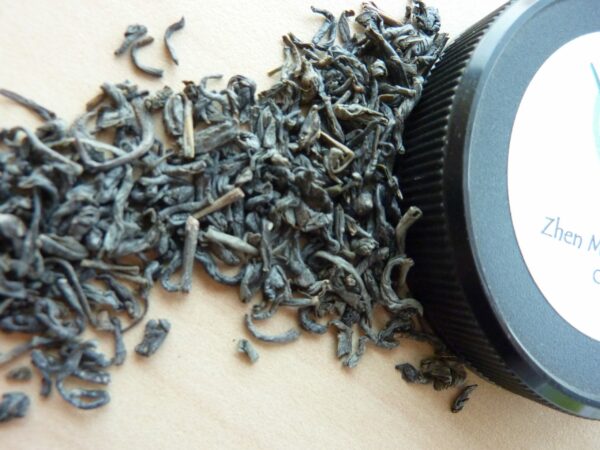
What is Chinese Sencha Green? Sencha Green tea can be sourced from both China and Japan. Unlike Japan, China has refined the art of processing tea leaves in many different ways – from roasted, rolled oolong tea to the smoke of Lapsang – by techniques handed down through the generations. Chinese Green Teas are generally sweeter, toasty, lively, and bursting with delicate spring flavor. Japanese ones are often vegetal and brisker, and often bitter if over-brewed. It is especially evident in the Sencha Green Tea. In the processing of Chinese green tea, the leaves become slightly fermented. … Instead, Japanese green tea tends to taste sweeter than Chinese green tea. (Contrarily, Japanese green tea also contains more chlorophyll, which some green tea drinkers find too “grassy” for their tastes.) Japanese green teas are traditionally steamed, while the Chinese ones are pan-fired. Steaming gives a different flavor profile and color. Moreover, steaming or pan-firing influences the amount of EGCG, a catechin abundantly found in green tea. Furthermore, Japanese green teas are generally not withered, which is an important step in producing Chinese teas.
When we first introduced our Dark Tea, or Pu-erh, to our customers…it took some time to become popular due to its unique taste and dark, rich flavor…but now there isn’t a day when we don’t introduce it to someone, and they love it. The loose Dark Tea from Yunnan Province in China is aged through microbial fermentation. We sell the Ripe, or shou, Pu-erh, and it pairs well with many of our additions. What is Pu-erh? It is made from the Camellia sinensis plant, the same source as green, oolong, and black teas. Unlike other teas, Pu-erh undergoes microbial fermentation and aging, giving it a deep, earthy taste and probiotic qualities—at times earthy and woody, sometimes sweet—often compared to aged wine or mushrooms. Traditionally sold as compressed “tea cakes” but also available as loose leaves like this blend. Why drink Pu-erh? Weight Loss ~ Pu-erh may reduce fat synthesis and increase fat burning. Cholesterol Support ~ Pu-erh may lower LDL (“bad” cholesterol) and increase bile acid excretion, reducing fat absorption. Gut Health ~ Fermentation introduces probiotics that support healthy gut flora, digestion, and blood sugar control. Cardiovascular Protection ~ Rich in antioxidants (gallic acid, catechins, flavonoids) that may reduce inflammation and protect blood vessels. Why the unique shape? Tuocha, also known as “dome-shaped bowl tea,” is a tightly compressed tea. It is made from loose raw pu-erh tea (also called ‘maocha’) or pile-fermented maocha. The tuocha shape resembles a bird’s nest. The convex shape of tuocha allows the tea to dry out better during processing. Tuocha originates from Yunnan province in China, known as the birthplace of tea. The 26 ethnic groups living in Yunnan cultivate and enjoy tea in their unique ways. The never-extinguished fire pits in Yunnan households, the rest stops along the postal road and mule caravans, and the clear mountain springs – all carry the unique aroma of Yunnan tea. Tuocha is one of the famous shapes among compressed pu-erh tea. It takes root in the land of Huaxia and originated in Xiaguan, Yunnan. It has a history of over 100 years since its debut. As early as 1902, tea merchants in Xiaguan began researching and developing tuocha based on a type of tea from the Song Dynasty called “Tuancha.” It was successfully finalized in 1917, with a unique shape resembling a bowl-shaped mortar. It’s still unclear how tuocha officially got its name. Some say people in Yunnan habitually refer to round, non-flat objects as “tuo.” Others believe it’s mainly due to the association with the Tuojiang River. It’s said that when tuocha is brewed with water from the local Tuo River, it results in excellent flavor and aroma. Likely, it’s a combination that gradually allowed the term ‘tuocha’ to be accepted as the official term for dome-shaped pu erh tea. Moreover, the association with the Taijiang River and the Xiaguan tea factory greatly enhanced the tea’s reputation. The molding process involves skilled tea masters who press the leaves into cloth-lined molds. Unlike cakes, no bamboo backing is used. This technique dates back to the Tang Dynasty, making it one of the oldest puerh compression methods. Many collectors prize vintage tuochas for their balanced aging characteristics and distinctive taste profile. Ripe tuocha pu erh tea also has a bowl-shaped appearance with a tight, neat structure, a reddish-brown color, a red and strong soup color, an aged and fragrant aroma, and a mellow, smooth taste. The taste is mellow, refreshing, and lingering, and the tea leaves are tender and evenly distributed, allowing for long-lasting steeping. Exploring the Different Shapes of Pu Erh Tea: Cakes, Bricks, and Tuoch – Cspuerh (Chen Sheng Hao)
Yerba Mate is not part of the standard Camellia sinensis plant but comes from a holly plant called Ilex paraguariensis, which is indigenous to South America. Yerba Mate comes in two versions: Green (non-roasted) Yerba Mate or Dark (Roasted) Yerba Mate, both coming from the same plant but processed differently. Our Roasted Yerba Mate is a medicinal herb that shares many common health attributes with the tea plant. Plus, it has a dark, rich flavor similar to coffee. For many coffee lovers, this is a great tea to transition to without all the stomach and caffeine concerns. Yerba mate is a South American drink brewed from dried leaves and twigs of the holly genus plant, with the botanical name Ilex paraguariensis. Yerba mate grows as a shrub or small tree that can reach up to 15 meters high. This evergreen tree is a holly species that produces small greenish-white four-petaled flowers and red berries. When the yerba mate leaves and twigs are brewed, the tea is similar to green tea. It is said to be best brewed in hot, not boiling, water. Yerba mate has become known as the national drink of Brazil, Paraguay, and Argentina. The rich tea is said to be a stimulating herbal beverage. Some use it to replace coffee with its ability to wake up the mind without the adverse effects of coffee. Known in some areas of South America as “The Drink of the Gods”, yerba mate is thought to possess a host of health benefits. Most of which help prolong life. The history of Yerba Mate can be traced back to the semi-nomadic Guarani people of southern Brazil, northern Argentina, and Paraguay. These forest nomads are said to be the earliest known people to harvest and drink the stimulating yerba mate beverage. Legend has it that the Guarani believe the yerba mate tree to be a gift given to a group of weary travelers by a benevolent god as a reward for their righteousness. This legend eventually carried on, giving yerba mate tea its “Drink of the Gods” nickname. The Guarani were said to use yerba mate as a daily tonic for health. They gather around a fire to socialize and pass around the gourd of yerba mate. This ancient custom of drinking yerba mate from a gourd became a tradition. Even today, it continues to be a daily habit of the people now living in this area. Yerba mate also became a central part of their system of medicine and healing. The tea became an important part of spiritual rituals. It also served as currency for them when trading with the Incas and Charruas. In the sixteenth century, Spanish conquistadores arrived in Argentina. When they arrived, they discovered the native people drinking their gourd of yerba mate tea. The Spaniards enjoyed this stimulating drink. They persuaded the people to teach them how to brew their own yerba mate tea. As demand for yerba mate started to rise, the Jesuits decided to begin harvesting and cultivating it on yerba mate plantations. By the 1600s, they had discovered a way to germinate yerba seeds. As a result, their plantations flourished and expanded the consumption of yerba mate into Ecuador. But in 1767, the Jesuits were expelled. And with it, all of their knowledge on the cultivation of yerba mate was expelled along with them. Forest harvesting continued until the early 20th century. As a result, the secret to yerba mate seed germination was discovered once again, and plantation cultivation became a reality once more. Today, plantation cultivation of yerba mate continues in parts of Argentina, Brazil, Uruguay, and Paraguay. The custom of cultivation has remained pretty much unchanged, and the custom of drinking yerba mate tea has gone global. In many areas of South America, yerba mate tea is still a social ritual, and people continue to drink it for its taste and the way it makes them feel. What Is Yerba Mate? And the History of Yerba Mate Amigofoods
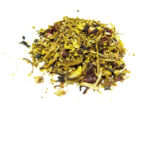
This energizing trio brings together three botanicals traditionally appreciated for their uplifting and balancing qualities. Green Tea offers a clean, refreshing lift with a smooth, steady energy that feels bright and focused. Pu‑erh Tea adds a rich, earthy depth — a fermented warmth that grounds the blend and gives it a satisfying, full‑bodied character. Yerba Mate contributes a vibrant, clear boost often enjoyed for supporting stamina and mental clarity. Together, these three teas create a bold, invigorating cup designed to help you feel awake, centered, and ready for the day. Together a vibrant mix of botanicals traditionally appreciated for their energizing, balancing, and flavorful qualities. Green Tea, Pu‑erh Tea, and Yerba Mate create a strong foundation of smooth, steady energy with earthy depth and bright clarity. Bits of Cacao add a gentle richness, while Chickweed Leaf and Gynostemma Leaf offer light, refreshing herbal notes often enjoyed for their calming and balancing nature. A touch of Red Pepper Flakes adds subtle warmth, complemented by the cool, crisp lift of Peppermint Leaf. Gymnema Silvestre contributes a unique herbal complexity traditionally used to help balance cravings, and the blend is finished with the highest‑quality Strawberry Essential Oil, adding a bright, juicy top note that ties all the flavors together.The result is a smooth, flavorful, and well‑rounded cup designed to help you feel awake, centered, and pleasantly refreshed.
Features Graceful Balance:
- Leaves can be infused all day! (They will not get bitter)
- Lots of individual flavor based on the ingredients.
- All Wildcrafted Herbs
- All Organic where Wildcrafted is not available.
- Fresh and Fruity Taste with the strawberry!
- Light Colour Cup of Tea
- Full of natural antioxidants and Low in Tannins and Very Hydrating
- Sample Size ~ 1 oz will make 8-10 ~ 16 oz teas
- Sealed Bag ~ 4 oz will make 32-40 ~ 16 oz teas
- Iced Tea ~ Always Double the amount of Tea for the same size cup!
- Per Serving ~ 1 tsp per 6 oz of H2O
- Recommend 3 tsp Per Day – resteep leaves 2-3 times
- Caffeine: Low
Ingredients: Steep Me Proprietary Organic and Wildcrafted Blend of Green Sencha ~ a well-structured larger leaf – green tea from China, Green Yerba Mate is part of a holly plant called the Ilex Paraguariensis plant that is indigenous to South America, Dark Tea from Yunnan Province in China aged by Microbial Fermentation with Bits of Cacao, Chickweed Leaf, Gynostemma Leaf, Red Peper Flakes, Peppermint Leaf & Gymnema Silvestre with the Highest Quality Strawberry Essential Oil
Not safe for Pregnancy
Not safe for Breastfeeding
Alternatively, try our Weight Loss Phyto~Nutrition Tea OR Lifestyle Phyto~Nutrition Tea OR Peppermint Patty Puerh Tea
NOTE: These claim(s) have/have not been evaluated by the Food and Drug Administration. The products offered by Steep Me Tea Apothecary -Franchisees – Wholesalers – Influencers or SteepMe.com are not intended to treat, cure, or prevent any illness or disease. If you have or suspect that you have a medical problem, consult with your physician for diagnosis or treatment. All gender specific blends are based on Gender Assigned at Birth. Use herbs as directed, and watch for any allergic reactions. You should always carefully read all product packaging and labels. Always consult your physician or health care provider before using any herbal products, especially if you have a medical problem. Steep Me Tea Apothecary and SteepMe.com and/or its proprietors assume no liability for any injury, illness, or adverse effects caused by the misuse and/or use of the information or products presented.
“Processed in a facility that also processes food containing milk, egg, fish, peanut, shellfish, soy, tree nuts, wheat, and sesame. May contain traces of milk, egg, fish, peanut, shellfish, soy, tree nuts, wheat, and sesame.”
Additional information
| Weight | N/A |
|---|---|
| Size | 1 oz sample bag, 1/2 # Bulk Bag, 4oz Sealed Bag |
Benefits